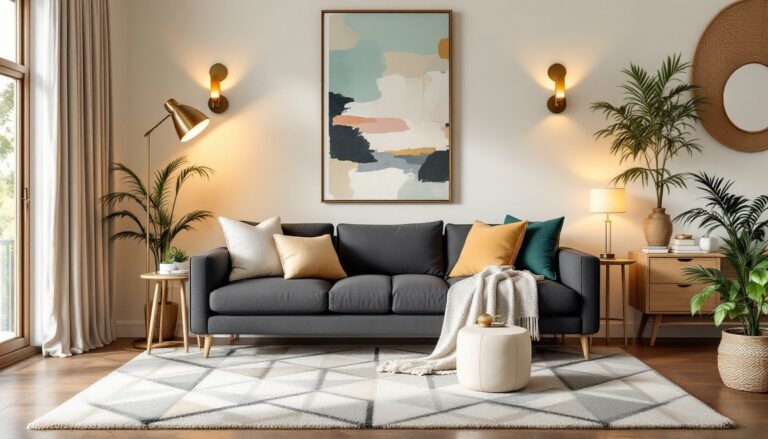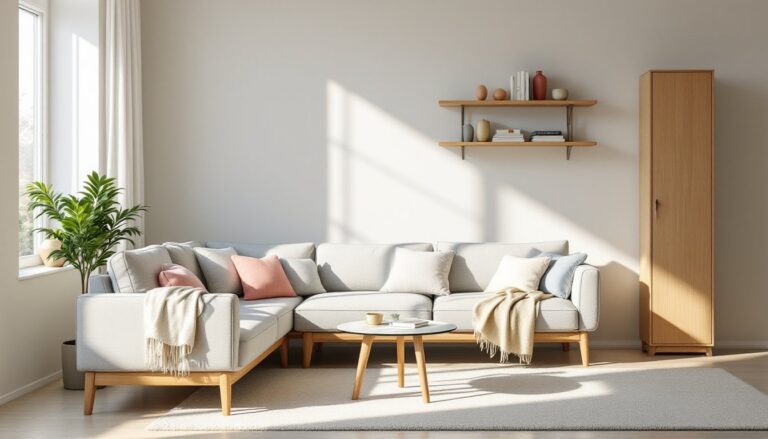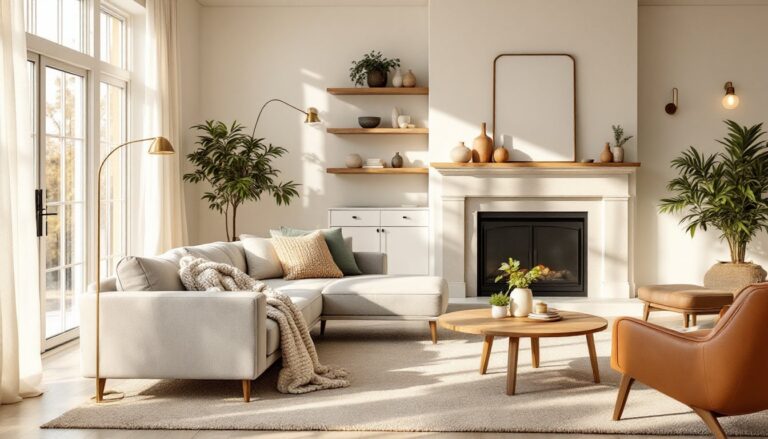
Dead corners in the living room are easy to ignore, until you realize they’re wasted real estate in a space where every square foot counts. Whether you’re working with a small apartment or a sprawling family room, corners often become catch-all zones or visual dead ends. But they don’t have to be. With the right approach, corner spaces can become functional focal points, cozy retreats, or striking display areas that elevate your entire room. This guide walks through seven practical ways to tackle corner decor, from reading nooks to plant displays and smart storage solutions that actually work.
Table of Contents
ToggleKey Takeaways
- Strategic corner decor transforms overlooked spaces into functional focal points that improve both the aesthetics and flow of your living room.
- A reading nook requires just a comfortable chair, side table, warm lighting, and layered textures to create an inviting retreat in any corner space.
- Plant corners benefit from vertical layering—using tall floor plants as backdrops with mid-height and trailing varieties to maximize visual interest in a small footprint.
- Tall, narrow shelving and wall-mounted displays work best for corner storage, keeping decor intentional while maximizing vertical space without blocking sightlines.
- The success of corner decor depends on treating corners as design opportunities rather than catch-all zones, ensuring every corner serves a clear purpose.
- Choose low-light tolerant plants like snake plants and ZZ plants for corners away from windows, and remember that overwatering is the leading cause of houseplant failure.
Why Corner Spaces Matter In Living Room Design
Corners are often overlooked in room design, treated as leftover space rather than intentional zones. But strategic corner decor can transform how a living room feels and functions. A well-designed corner draws the eye, breaks up blank wall space, and creates a sense of purpose and flow. Instead of letting corners become catch-all zones for clutter, treating them as design opportunities makes rooms feel more complete and intentional.
Corners also serve a practical purpose: they’re natural gathering spots. If you position a chair or lamp in a corner, it becomes a destination rather than dead space. This changes the room’s energy and encourages people to use the full footprint of your living room. Corners work well for quiet activities, display purposes, or adding a layer of visual interest that a bare wall or single piece of furniture can’t deliver alone.
Reading Nooks: Creating A Cozy Retreat In Your Corner
A reading nook is one of the most practical and rewarding uses for a corner. It transforms an unused space into a dedicated retreat, something that feels increasingly valuable in a busy home. The beauty of a reading nook is its simplicity: it requires minimal square footage and works in almost any corner, whether it’s tucked by a window or against an interior wall.
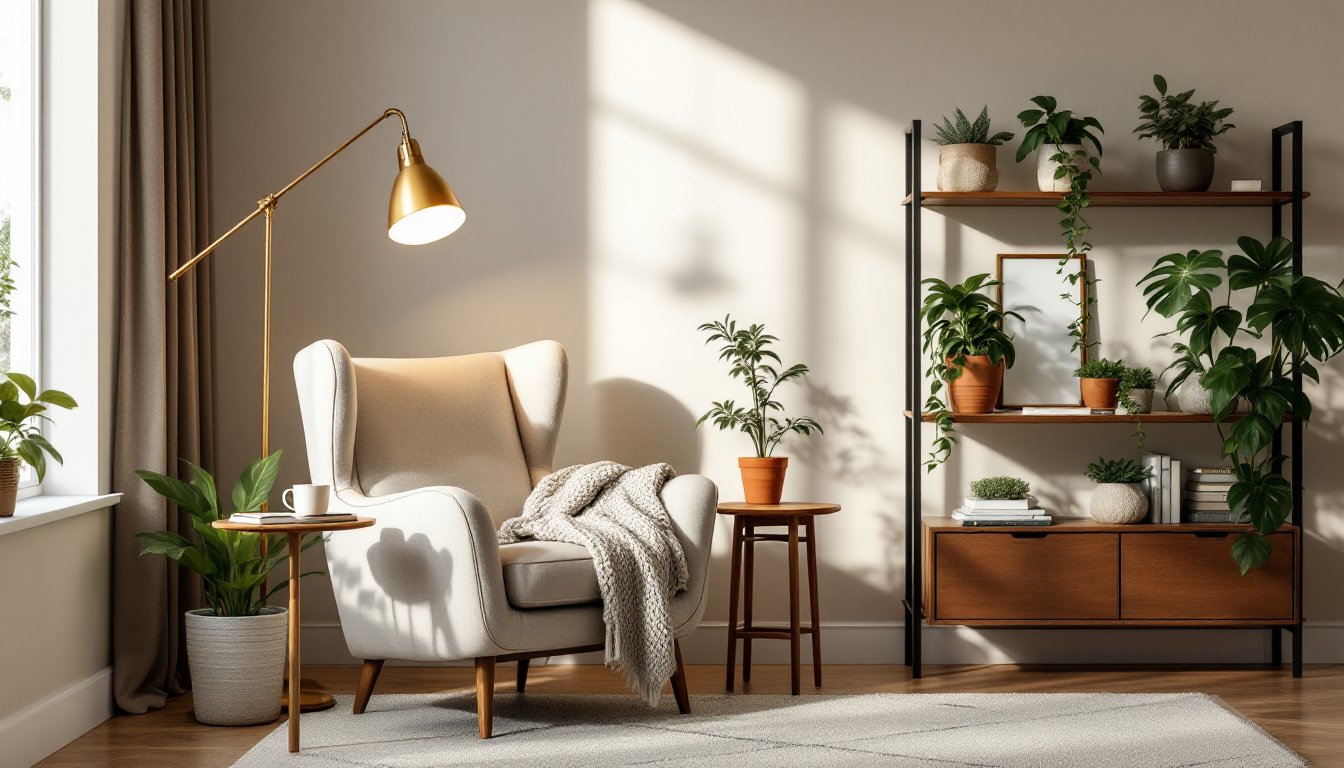
Start with the foundation: a comfortable chair. A wingback armchair, accent chair, or even a sturdy recliner works well in corners. Position it to face into the room or toward a window if natural light is available. This becomes your anchor piece, and everything else builds around it. The chair should be deep and supportive enough to spend an hour or more in without fidgeting, this isn’t a showpiece, it’s a workspace for relaxation.
Essential Elements For A Functional Reading Space
Beyond the chair, a reading nook needs a few key components to feel complete and functional. A small side table (18 to 24 inches wide) holds a drink, book, or lamp without eating up floor space. Position it within arm’s reach of your seat, nobody wants to stretch across the room for a cup of tea.
Lighting makes or breaks a reading space. A floor lamp with a warm bulb (2700K color temperature is ideal) creates an inviting glow. Position it to shine over your shoulder rather than directly in your eyes. If your nook sits near a window, layer natural light with supplemental lighting for reading in the evenings.
Layering in textures completes the retreat feeling. A throw blanket draped over the chair arm, a small area rug to anchor the space, and soft cushions invite you to settle in. These elements aren’t decorative fluff, they serve the practical purpose of making the space comfortable for extended sitting. Wall art or a floating shelf above the chair adds personality without cluttering the space. Keep accessories minimal so the nook stays inviting and uncluttered.
Plant Corners: Bringing Life And Greenery Into Your Living Room
A plant corner brings natural life and air-purifying benefits into your living room while looking intentional and curated. Corner spaces actually offer a hidden advantage: they naturally frame plant arrangements and make grouped plants look like a deliberate design feature rather than scattered houseplants.
The key to a successful plant corner is layering height. Use a tall floor plant (like a fiddle leaf fig or snake plant) as a backdrop, mid-height plants on a plant stand or tiered shelf, and trailing plants on lower surfaces. This vertical arrangement creates visual interest and maximizes the corner’s footprint. A plant stand (30 to 36 inches tall) is a handy investment that lets you display multiple plants in a small footprint.
Consider light conditions before choosing plants. A corner near a window gets bright, indirect light, perfect for most houseplants. A corner away from windows needs low-light varieties. Honest assessment of your light situation prevents buying plants that’ll struggle and eventually fail.
Best Plant Choices And Care Tips For Corner Spaces
For bright corners, pothos, philodendrons, and monstera plants thrive with indirect sunlight and need water only when the soil dries out. These are forgiving plants, which makes them ideal for beginning plant parents. Fiddle leaf figs demand more attention but reward consistent care with dramatic height and statement-making foliage.
Low-light corners work well with snake plants, ZZ plants, and cast-iron plants. These tolerate neglect and irregular watering, making them practical for busy households. They also filter air pollutants, adding functional value beyond aesthetics.
Water when the top inch of soil feels dry, stick your finger in to check. Overwatering kills more houseplants than underwatering. In winter, plants need less water as growth slows. Rotate plants occasionally so all sides get equal light exposure and growth stays balanced. Group plants together to create humidity, which most tropical houseplants appreciate. A simple pebble tray beneath pots (filled with water but not touching the pot bottoms) adds moisture to the air without fuss. Research from Elle Decor shows that layered plant displays create focal points that anchor room design, making corners feel intentional rather than marginal.
Display And Storage Solutions For Corner Areas
Corners are prime real estate for displaying collections, artwork, or functional storage that doubles as decor. A tall, narrow bookshelf (24 to 30 inches wide) fits perfectly in corner space without blocking sightlines. Stack books horizontally and vertically, layer in small decor objects, and the shelf becomes a personal gallery rather than just storage.
Wall-mounted shelving works especially well in corners where floor space is tight. Two floating shelves staggered at different heights create visual rhythm and let you display plants, books, framed photos, or collected objects. The staggered arrangement prevents the corner from feeling static or rigid.
A corner cabinet or media console offers closed storage for items you want hidden, throw blankets, board games, remotes, or media equipment. This keeps the room feeling curated rather than cluttered. Glass doors (if you choose a cabinet with them) let you display nicer items while containing the visual chaos.
For corner storage that maximizes small footprints, a tall, narrow corner cabinet with shelves uses vertical space efficiently. These often come in 12 to 15 inches wide, leaving room for foot traffic while storing far more than an open shelf. Budget-conscious decorators often find inspiration from Addicted 2 Decorating, where DIY enthusiasts share creative storage hacks that transform awkward spaces into functional zones without expensive overhauls.
Artwork hung in corners works best when it’s intentional. A single large piece (36 inches or wider) makes a bolder statement than a small frame. Alternatively, a gallery wall with mixed frame sizes and artwork creates visual interest. The corner’s angles actually help frame artwork in a way that a flat wall can’t, use this natural advantage. Design site Domino highlights how custom storage solutions tailored to corner dimensions maximize both style and function, turning constraint into creative opportunity.
Conclusion
Corner spaces stop being wasted real estate the moment you treat them as opportunities rather than afterthoughts. Whether you choose a reading nook, plant display, or storage solution depends on your lifestyle and what your living room actually needs. The key is intentionality: a corner with purpose, whether that’s a place to read, grow plants, or display meaningful objects, always outperforms blank corner space. Pick one corner and start there. One thoughtfully designed corner often inspires the rest of the room to follow.