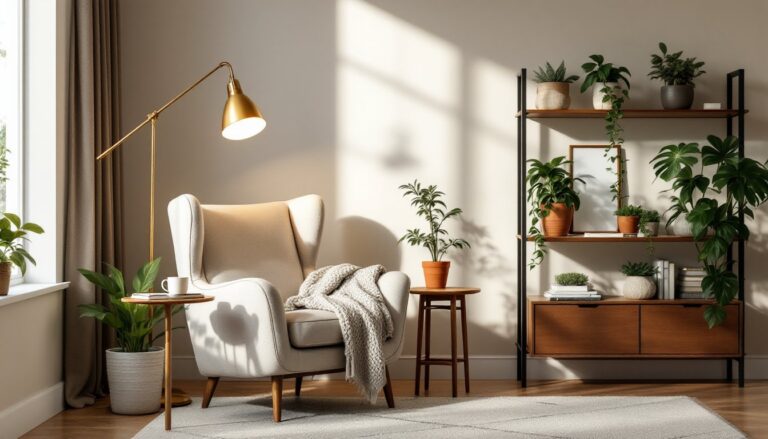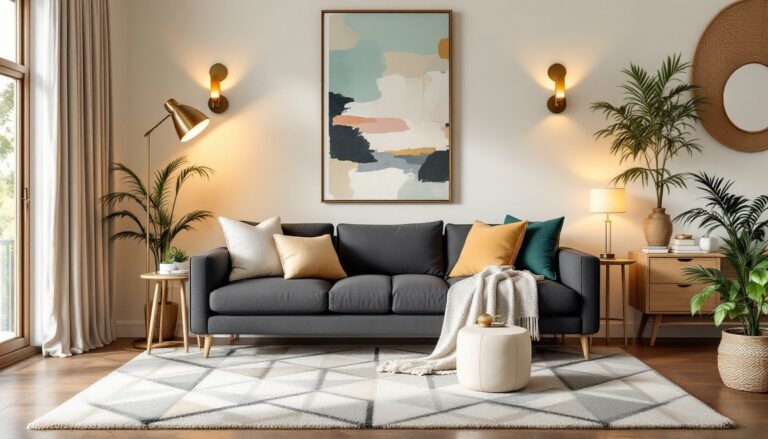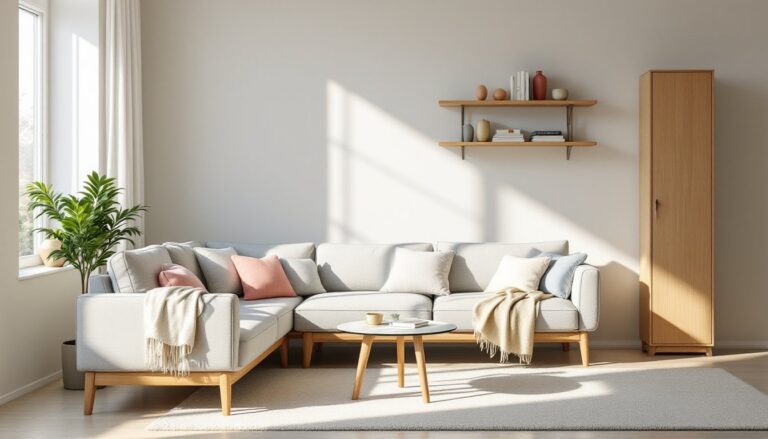
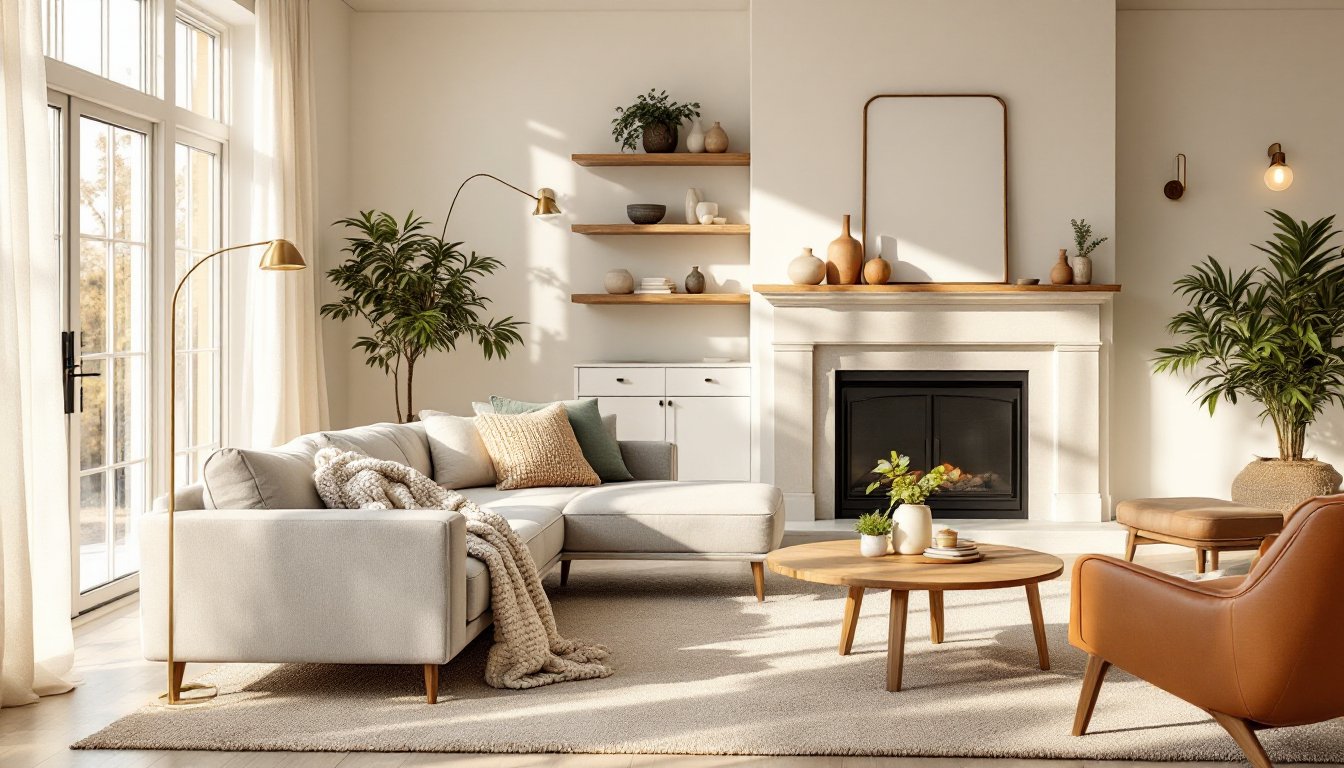
Creating a living room that balances modern aesthetics with genuine warmth doesn’t require contradictory design choices. Cozy modern spaces prove that clean lines, neutral palettes, and minimalist furniture can absolutely feel inviting and lived-in. The key is understanding how to layer textures, select the right color story, and choose pieces that work hard for both style and comfort. This guide walks you through the practical steps to build a living room that feels both contemporary and genuinely welcoming, a space where people actually want to linger, not just admire from the doorway.
Table of Contents
ToggleKey Takeaways
- Cozy modern living room design combines clean lines and minimalist furniture with warmth and texture by choosing warm neutrals, intentional color palettes, and honest materials that improve with age.
- Define your specific cozy modern style direction—whether Scandinavian, Japanese-inspired, or contemporary industrial—before purchasing furniture to prevent costly mid-project changes.
- Select furniture that fills 50-60% of floor space with pieces that serve dual purposes, like ottomans with storage and console tables, to maintain modern aesthetics while maximizing function and comfort.
- Layer three types of lighting (ambient dimmers, task lamps at 200-300 lumens, and accent warm-toned lights) to transform your space from daytime clean to genuinely cozy at night.
- Add texture through strategically placed textiles—one or two chunky-knit throws, an area rug in natural fiber, and 2-4 throw pillows in complementary textures—without creating visual clutter.
- Test paint colors in 2-by-3-foot sections for three days under different lighting conditions, focusing on warm undertones in whites and grays to shift from sterile modern to inviting cozy modern.
Define Your Cozy Modern Style
Cozy modern living room design sits at the intersection of two seemingly different aesthetics. Modern means clean architecture, purposeful placement, and removing visual clutter. Cozy means warmth, texture, and comfort that invites you to sit down. The contradiction dissolves when you accept that minimalism doesn’t mean cold, it means intentional.
Start by clarifying your specific direction. Are you drawn to Scandinavian simplicity (light woods, crisp whites, functional warmth)? Maybe Japanese-inspired design (natural materials, neutral tones, honest construction)? Or contemporary industrial (concrete, steel, layered textures)? Each direction shares the modern skeleton but expresses coziness differently.
Visit spaces you admire and notice what triggers the feeling. Is it the way light hits a particular floor material? The proportion of furniture to floor space? The material quality of a single accent piece? Your goal isn’t to copy a room, it’s to identify the design principles that resonate with you, then adapt them to your actual space and how your household lives. Spending this time defining your direction prevents expensive, frustrating mid-project pivots.
Choose the Right Color Palette
Color sets the emotional foundation of a cozy modern room faster than any single element. A warm, neutral base, think warm whites, soft grays, warm taupes, or soft beiges, creates the visual calm that modern design demands while providing the foundation for warmth.
The shift from “cold modern” to “cozy modern” often comes down to undertones. Compare a cool-white (bluish undertone) to a warm-white (yellowish or peachy undertone) on your actual walls under your actual lighting. Cool whites can feel sterile: warm whites feel like home. If you want a deeper base, soft gray with warm undertones beats cool gray.
Layer in two to three accent colors, not five. Warm neutrals pair beautifully with muted earth tones, terracotta, sage green, warm charcoal, or soft clay. These feel substantial without visual noise. Avoid too many saturated colors or trendy shades that’ll date your space. Modern home decor trends show lasting preference for timeless palettes that you can refresh with textiles and accessories rather than repainting.
Testing paint is non-negotiable. Buy sample pints and paint 2-by-3-foot sections on your walls. Live with them for three days under different lighting (morning, afternoon, evening, overcast). Paint color shifts dramatically depending on light direction and room orientation. Once committed, apply two coats of quality paint (flat/matte for walls, eggshell for trim), cheaper paint needs three coats and covers less square footage per gallon anyway.
Furniture Selection for Comfort and Clean Lines
Modern furniture isn’t about discomfort. It’s about honest construction and purposeful form. A modern sofa has clean lines, legs (not a skirted base), and likely neutral upholstery. But it should support actual sitting, deep enough to sink into, firm enough to support the lower back, wide enough for two people to sit side-by-side without touching arms.
Scale matters enormously. An oversized sectional might feel cozy, but it’ll overwhelm a 12-by-14-foot room. Conversely, a dainty modern sofa swallows in a large space. Measure your room, note your doorways and windows, and pick furniture that fills roughly 50-60% of the floor space. This creates that breathing-room feeling modern design achieves while still feeling furnished.
Prioritize pieces that do double duty: an upholstered ottoman that stores blankets, a console table that holds lamps and books, a bench at the foot of a sofa. Function-first thinking is core to modern design, and it prevents clutter. Avoid decorative tables that just hold decorative objects.
Prioritize Functional Pieces
Choose a sofa as your anchor. It likely takes up 30-40% of your furniture budget, and you’ll spend thousands of hours on it. Look for kiln-dried hardwood frames (not particleboard), eight-way hand-tied spring systems or quality sinuous coils, and upholstery in durable, cleanable fabrics. Natural linen, wool blends, and performance fabrics all age beautifully. Avoid delicate velvets unless the room has zero kids, pets, or real traffic.
Add seating strategically. A single accent chair opposite the sofa encourages conversation. Two chairs angled toward each other create an intimate zone within the larger room. Skip extra side tables unless you have a specific function (laptop work, medication, phone charging). Creating comfortable living spaces balances conversational seating with open sightlines, leave room to walk, to move furniture, to breathe.
Lighting Layers for Ambiance
Lighting transforms a living room from a daytime space into something genuinely cozy at night. This requires three types: ambient (overall room brightness), task (reading, working), and accent (highlighting details).
Ambient lighting: Avoid a single overhead fixture. Instead, use dimmers on your ceiling fixture and layer in floor lamps at opposite ends of the sofa. This lets you adjust brightness for mood, bright for cleaning or working, dimmed for evening. Warm color temperature bulbs (2700K is warm, 3000K is neutral) feel cozier than 4000K or higher. Ditch the harsh bright-white bulbs entirely.
Task lighting: Position reading lamps beside seating areas with a 15-20-watt equivalent brightness (roughly 200-300 lumens). Arc floor lamps are great here, they direct light downward without creating glare. Table lamps work if they’re sturdy enough not to tip when knocked.
Accent lighting: Wall-mounted brass or matte-black sconces flanking a fireplace or artwork add visual warmth and depth. Shelf lighting tucked into floating shelves highlights objects and texture. Avoid harsh LED strips: instead, choose warm-toned rope lights or small puck lights. Design inspiration emphasizes how thoughtful lighting creates architectural interest while maintaining modern cleanliness. String lights are cozy, but in a modern room, use them sparingly, a single strand behind a floating shelf, not draped across the entire ceiling.
Texture and Warmth Through Textiles
Minimalist spaces risk feeling sterile without texture. Textiles, layered intentionally, transform a modern room from “show home” to “actual home.”
Start with a chunky-knit throw blanket (wool, linen, or cotton blend) draped over the sofa arm. Not five throws, one or two. A 5-by-8 or 6-by-9 area rug in a natural fiber (jute, sisal, wool blend) adds warmth underfoot and defines the seating area. Layer a smaller vintage or geometric patterned rug on top if you want visual interest without chaos.
Cushions matter, but don’t overstuff. Two to four throw pillows in complementary textures (linen, wool, cotton) on the sofa feel intentional, not styled. Mix tones, a warm cream, a soft gray, and an accent color in muted terracotta or sage. Vary shapes slightly (square, rectangular, lumbar) to avoid visual sameness.
Curtains affect both texture and light control. Linen or linen-blend curtains in neutral tones hang beautifully and soften hard modern lines. Avoid heavy velvet (too traditional) or thin polyester (looks cheap). Hang curtain rods at ceiling height to maximize perceived ceiling height, a key modern tactic. Install them wide enough to clear the window frame when open so light actually enters.
A wooden side table, leather chair, or stone fireplace surround adds material warmth that modern materials (glass, metal, concrete) alone can’t deliver. Honest materials, real wood (not veneer), genuine leather, natural stone, age visibly and improve with time. This is where cozy happens: knowing your sofa frame is solid wood, feeling the patina on a leather armchair, seeing the grain shift in a hardwood floor.
Conclusion
Cozy modern living rooms prove that minimalism and warmth aren’t enemies. The formula works across different design directions because it rests on solid fundamentals: intentional color, functional furniture scaled to real life, thoughtful lighting layers, and honest textiles and materials. Start with one room, apply these principles, and live with your choices for a few weeks before second-guessing. The best cozy modern spaces develop gradually, they’re built on what actually works for how you live, not on what looked perfect in a photograph.