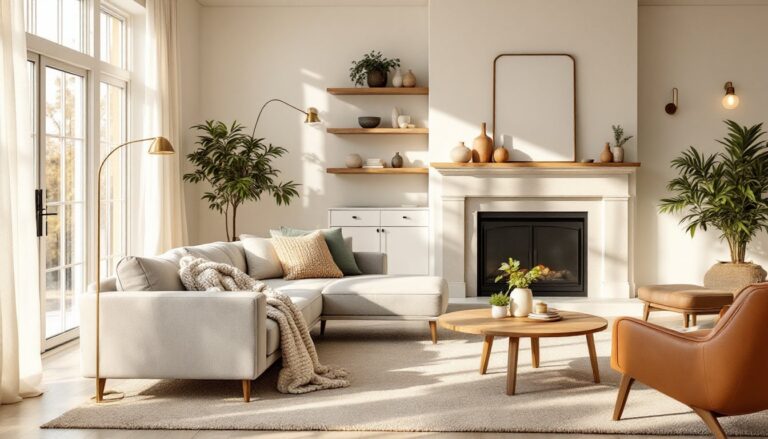
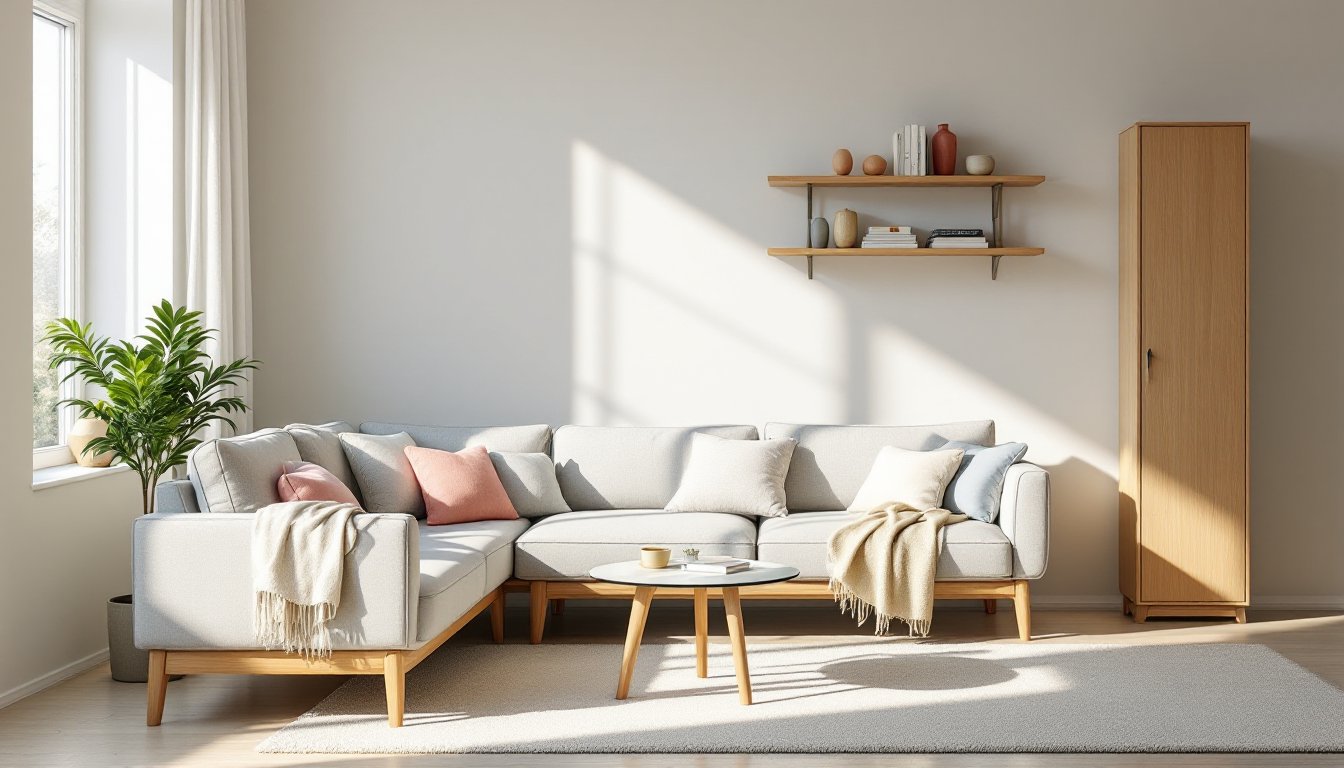
A corner sofa can feel like a luxury in a small living room, but it’s one of the smartest space-saving moves a homeowner can make. Unlike traditional sectionals that sprawl across the floor, corner sofas tuck neatly into the actual corner of your room, anchoring the space while maximizing seating without the awkward gaps. Whether you’re furnishing a studio apartment, a cozy cottage, or a compact family room, the right corner sofa transforms how the space functions and feels. The trick isn’t just picking any corner sofa, it’s choosing one that fits your layout, complements your style, and actually serves your household’s needs.
Table of Contents
ToggleKey Takeaways
- A corner sofa for small living rooms maximizes seating capacity and anchors the space without scattering furniture across the floor, comfortably fitting 4-5 people in less footprint than traditional sofa-and-chairs setups.
- Measure your corner dimensions carefully, accounting for wall depth, doorway width, window placement, and at least 12-18 inches of clearance for traffic flow before purchasing a corner sofa.
- Light fabrics, modern minimalist designs with clean lines and slim legs, and low arms make a corner sofa visually recede and prevent the room from feeling cramped.
- Multi-functional corner sofas with hidden storage, pull-out beds, or modular components add practicality to small spaces, but only invest in features you’ll actually use regularly.
- Balance negative space by leaving at least one wall relatively open, float furniture slightly away from walls, and use vertical storage solutions to maximize the benefit of your corner sofa arrangement.
Why Corner Sofas Work for Compact Spaces
A corner sofa takes full advantage of what’s often wasted real estate, the corner itself. Rather than fighting against the geometry of a small room, a corner sofa works with it. You’re not scattering furniture across the floor: instead, you’re anchoring one zone and leaving the rest of the room open for circulation and other pieces.
From a seating capacity standpoint, corner sofas pack more people into less footprint than a traditional sofa and chairs combo. A 3-piece L-shaped corner sofa can comfortably seat 4-5 people, while a conventional setup with a sofa plus two chairs might take up significantly more floor space. This density of seating doesn’t mean the room feels cramped, it actually creates a cozy, conversation-focused environment.
There’s also a psychological benefit. When furniture is arranged thoughtfully, small spaces feel intentional rather than cramped. A corner sofa creates a clear focal point and defines the living area, making the room function better even if square footage is limited. It’s the difference between a room that happens to have furniture and a room where the furniture plan was actually considered.
Key Measurements and Layout Tips
Before shopping, measure twice. Seriously. The corner of your room isn’t a standard size, and doorways, windows, radiators, and electrical outlets all matter.
Start by measuring the two walls that form your corner. Note the depth (from wall to wall into the room). Most corner sofas have arms that extend 2-4 inches beyond the actual seating, so if you have a nook that’s 7 feet deep, an L-shaped sofa measuring 7 feet on each leg will fit, but you won’t have walking room. Aim for at least 12-18 inches of clearance from furniture edges to the opposite wall or any traffic paths.
Next, confirm your doorway width and any stairs or hallways the sofa must pass through. A corner sofa doesn’t come as a single piece, it arrives as separate components that bolt together, but it’s still bulky. Measure the chaise or longer section separately: that’s often the trickiest part to maneuver.
Window placement matters, too. If your corner sits below a window, check that cushions don’t block the sill or any sash operation. Radiators or heating vents? Corner sofas can trap heat, so ensure airflow isn’t compromised.
Finally, think about your living style. Do you have kids or pets that’ll bounce on the sofa? Is it a seating zone for reading, or more of a movie-watching nest? These questions influence whether you need a more modular, flexible design or a fixed L-shape that stays put.
Style Options That Maximize Visual Space
Light Fabrics and Colors
In a small room, a dark, heavy-looking sofa consumes the visual space even if it’s not taking up extra floor space. Light fabrics, creams, soft grays, pale blues, warm whites, make a corner sofa recede rather than dominate. The room feels airier, even though the furniture footprint is identical.
Natural fibers like linen and cotton blends age beautifully and feel less plasticky than microfiber, which can look cheap and date quickly. Linen does wrinkle and stain more easily, so factor that into your lifestyle. Microfiber hides dirt and is easy to clean, which works well for households with children or pets.
You don’t have to go full minimalist beige. A light neutral base with colorful throw pillows gives you flexibility to update the look seasonally without replacing furniture. When sourcing fabrics, test swatches against your actual walls in daylight and evening lamplight, a “cream” can read as yellow or pink depending on undertones.
Modern Minimalist Designs
Clean lines, low arms, and slim legs make a corner sofa feel less bulky. High-backed, overstuffed designs draw the eye upward and make the room feel smaller. Modern sectionals with track arms (arms that sit flush with the cushion line) look sleeker than rolled or nailhead-trimmed designs, which add visual weight.
Leg style matters too. A sofa on short wooden or metal legs lets you see floor beneath it, which visually opens the room. Sofas with enclosed bases or skirts (skirted corners) ground the furniture and can make a space feel smaller. Wood legs in walnut or light oak tie better to other décor than heavy dark stain.
If you want design inspiration for small spaces, look for sectionals marketed as “apartment-friendly” or “small-scale” rather than oversized. Proportions matter as much as color.
Storage Solutions and Multi-Functional Features
Storage is where a corner sofa earns its keep in tight quarters. Some designs include a hidden storage chest under the seating, perfect for blankets, throw pillows, or board games that’d otherwise eat up closet space. Ottoman poufs (which may come as part of the set or purchased separately) do triple duty: seating, footrest, and storage box.
A corner sofa with a pull-out bed turns your living room into a guest room without dedicating an entire bedroom. Modern pull-out mechanisms are far better than the creaky metal frames of 10 years ago, though they’re not a nightly solution if you need proper sleep, they’re backup for guests. If guests sleep over regularly, a dedicated guest bed is more comfortable, but for occasional visitors, a pull-out corner sofa is a space-saver.
Some sectionals offer modular components. Rather than being fixed in an L, you can rearrange chaise, corner, and chair units. This flexibility is valuable if you move frequently or think your space layout might change. Check reviews and product specs carefully, modularity adds cost and sometimes reduces the clean line aesthetic.
When evaluating multi-functional features, be honest about what you’ll actually use. A storage ottoman you never access is just more furniture. A pull-out bed that’s uncomfortable defeats the purpose of guest hospitality.
Furniture Arrangement Strategies
Your corner sofa is the anchor, but how you arrange the rest of the room makes or breaks the design.
Balance negative space. If your corner sofa occupies one corner, leave the opposite area (or at least one wall) relatively open. A large, empty wall feels intentional. Cram that wall with a bookshelf, TV stand, and coffee table, and suddenly the room feels stuffed.
Float furniture when possible. Rather than pushing every piece against walls, pull your seating zone away from the perimeter slightly. This makes even a small room feel less like a bedroom-sized box and more like a deliberate living space. A small area rug under the sofa helps define the seating zone.
Vertical storage is your friend. Wall-mounted shelving, tall bookcases, or floating cabinets use vertical space instead of floor space. A corner sofa that hugs the wall doesn’t prevent you from stacking storage above it.
Scale down accessories. Oversized coffee tables, floor lamps, and side tables make the room feel crowded. Choose nesting tables or a slim console instead of a bulky coffee table. Wall-mounted or clip-on reading lights work better than traditional tripod lamps in tight spaces.
Look at real-world examples on Houzz or Young House Love to see how others have arranged corner sofas in small rooms. Seeing actual photos of finished spaces helps you imagine proportions better than marketing renderings.