A living room’s job is simple: it should invite people to sit, relax, and feel at home. Yet so many homeowners struggle to move beyond basic furniture placement and neutral walls. The good news? You don’t need a design degree or a massive budget to create a space that’s both functional and genuinely inviting. Whether you’re starting from scratch or refreshing a tired room, these seven practical decorative strategies will help you build a living room that works hard and looks great. Each idea is straightforward enough for a weekend project, but the results feel intentional and polished.
Table of Contents
ToggleKey Takeaways
- Layered lighting with three types—ambient, task, and accent—transforms a living room’s entire feel for just $50–$200 and eliminates the flat, harsh look of a single ceiling fixture.
- Decorative living room ideas succeed through texture: add quality area rugs, chunky throws, and textured pillows in odd numbers to create a warm, intentionally designed space.
- Mixing furniture styles from different eras and keeping a consistent color palette creates visual interest while avoiding the sterile showroom feel of matching sets.
- Use the 60-30-10 color rule—60% dominant color, 30% secondary, 10% accent—to define your space quickly and affordably through paint or strategic accent pieces.
- Low-maintenance plants grouped at different heights and natural elements like wood shelving and warm metals add life and grounding to your living room without significant expense.
- Display personal collections, artwork, and meaningful items in gallery walls or curated shelves to make your living room tell your unique story and feel genuinely lived-in.
Incorporate Layered Lighting for Ambiance and Function
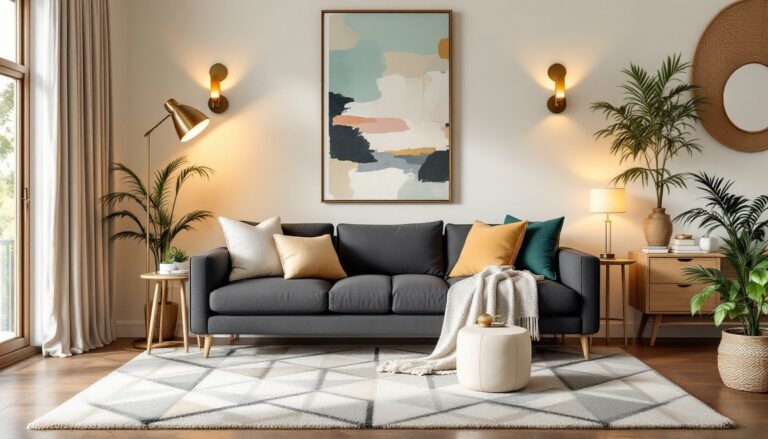
Lighting is the secret weapon most DIYers overlook. A single ceiling fixture leaves your room feeling flat and harsh. Instead, use three types of light: ambient (overhead), task (reading or accent), and accent (highlighting features). Start with your existing overhead fixture, it’s your base layer. Add a table lamp on a side table for task lighting: a 60-watt equivalent LED bulb works well for reading without straining eyes. Then introduce accent lighting: wall sconces flanking a mirror, a floor lamp in a corner, or even string lights above a gallery wall. The magic happens when you control them separately. Install one section on a dimmer switch if you’re comfortable with electrical work, or simply use smart bulbs you control from your phone. Warm white bulbs (2700K color temperature) create coziness: they’re the default for living rooms. This layered approach costs $50–$200 depending on what you already own, and it transforms the room’s entire feel depending on the time of day.
Add Texture With Throws, Rugs, and Wall Hangings
Texture makes a room feel lived-in and warm. Start with a quality area rug, ideally 8×10 feet or larger so furniture legs sit on it rather than around it. Wool or a wool-blend holds up to foot traffic and hides dirt better than pure synthetic. Layer a chunky knit throw over your sofa or chair: it’s functional and inviting. Cotton or linen throws work in warmer climates: wool blends handle cold seasons. For walls, consider a woven wall hanging or macramé above a console table. These add visual interest without commitment, they hang like artwork. Textured throw pillows in different fabrics (linen, velvet, cotton) on your seating make the space feel curated. Aim for odd numbers: three pillows on a sofa, one or two on a chair. Don’t match everything, intentional variation reads as designed, not random. Rope baskets tucked beside a chair store blankets and magazines while adding organic texture. Budget $100–$300 for a good rug, throws, and pillows depending on material and brand choices.
Mix and Match Furniture Styles for Visual Interest
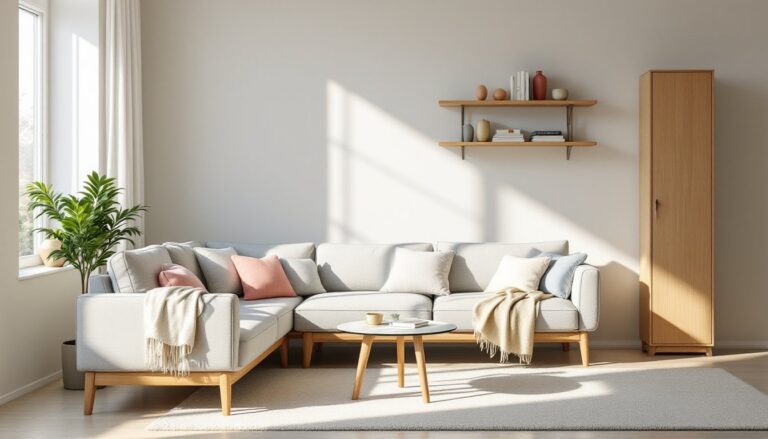
Matching furniture sets went out of style for good reason, they look showroomy and sterile. Instead, mix furniture eras and styles while keeping a few rules. Choose a dominant style (mid-century modern, farmhouse, contemporary, etc.) and then introduce one supporting style that complements it. For example, a modern sofa works beautifully with a vintage wooden side table or an industrial metal shelving unit. This combination feels intentional, not cluttered. Keep your color palette consistent, if your sofa is gray and your accent color is teal, the vintage side table should harmonize with that scheme, not clash. Vary heights and proportions: pair a low platform coffee table with a tall bookshelf. Mix materials too, wood, metal, upholstered, glass. Just ensure they speak to each other. Thrifting or browsing online marketplaces like Facebook Marketplace can source secondhand pieces at a fraction of retail cost. A newly upholstered vintage chair ($200–$400 including labor) often costs less than a new one while adding genuine character.
Use Color Schemes to Define Your Space
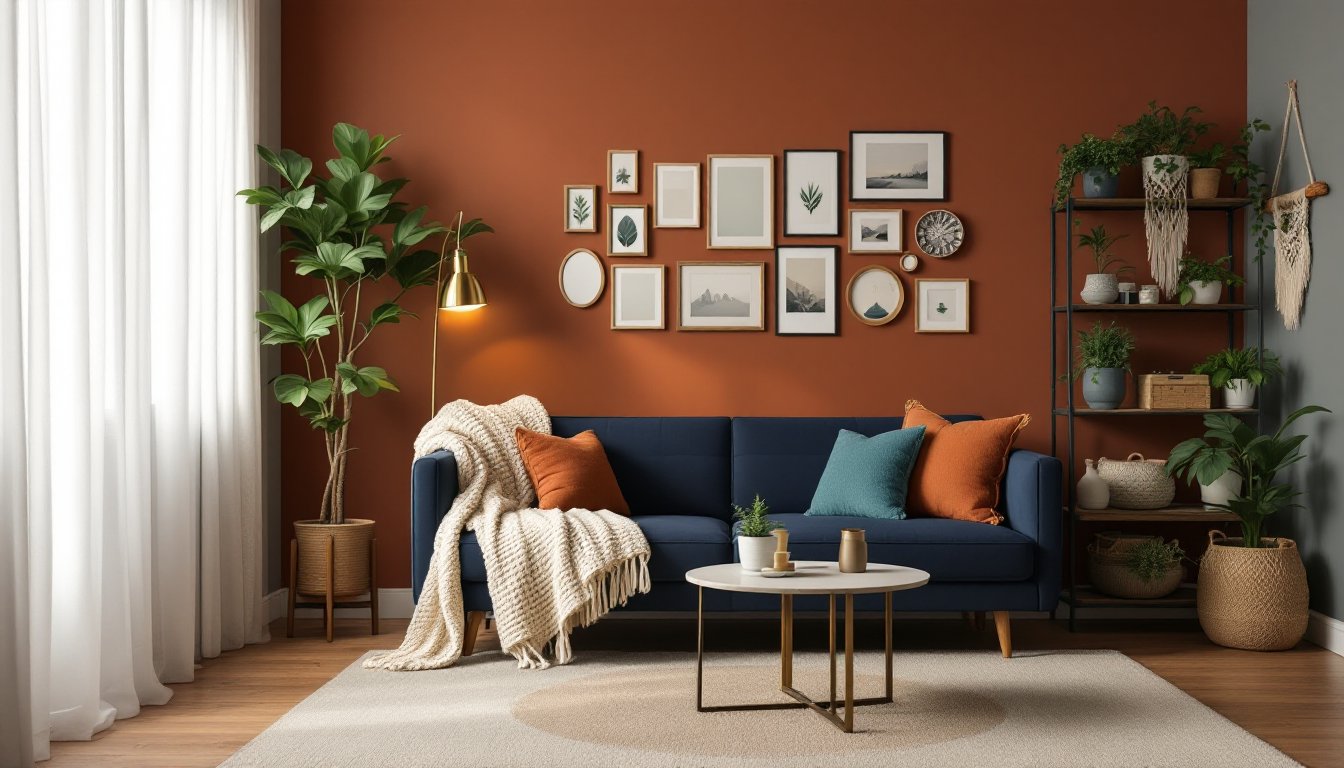
Color is the fastest way to set mood. Start by choosing a base color (usually your sofa or the largest surface), then pick two complementary colors for accents. A neutral base, gray, beige, or off-white, gives flexibility, but a colored sofa (navy, olive, rust) can be your anchor if you love it. Limit yourself to three main colors plus neutrals: more than that feels chaotic. Use the 60-30-10 rule: 60% dominant color, 30% secondary, 10% accent. For instance, 60% gray walls, 30% navy sofa, 10% rust throw pillows and artwork. Paint is the cheapest refresh, a gallon of quality interior paint costs $30–$50 and covers about 350 square feet. Primer and two coats take a day. Test a sample on your wall first: paint color shifts under different lighting throughout the day. Warm undertones (warm gray, warm white) feel inviting: cool undertones (cool gray, cool white) feel modern. Digital interior design inspiration platforms let you visualize color schemes before committing. If you’re hesitant, use color strategically: an accent wall, painted trim, or large artwork instead of all four walls.
Bring Life With Plants and Natural Elements
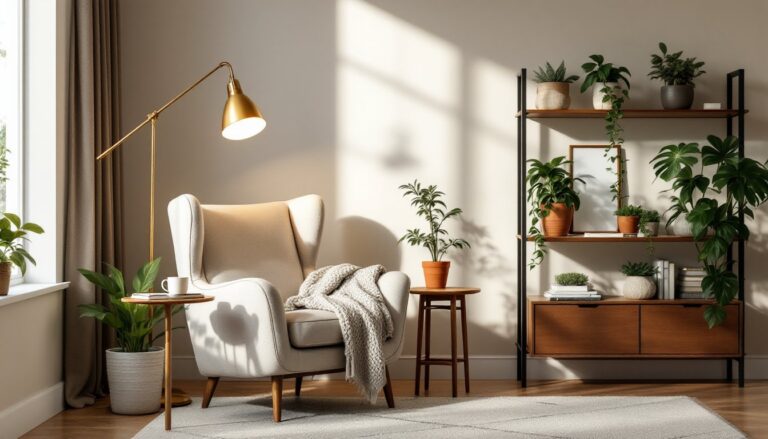
Plants add color, improve air quality, and make a room feel alive without spending much. Start with low-maintenance varieties: pothos, snake plants, or ZZ plants survive neglect and low light. Group plants in odd numbers at different heights, tall plants in corners, trailing ones on shelves, small succulents on side tables. Use interesting planters in coordinating colors: mismatched vintage pots feel collected and stylish. A small side table dedicated to plants becomes a focal point. Water according to each plant’s needs, not on a schedule: most living room plants prefer to dry out slightly between watering. Natural elements beyond plants matter too: wood shelving, stone accents, cotton or linen textiles, and natural fiber baskets. A live-edge wood shelf costs $50–$150 and adds warmth. Bring in light-colored wood, warm metals (brass, copper), and raw textures. These materials feel grounded and calm. Avoid plastic or overly artificial-looking greenery: it reads as cheap. If you have zero natural light, focus on sculptural branches in tall vases and textured wood pieces instead.
Display Personal Collections and Artwork
Your living room should tell your story. Displaying meaningful items, travel souvenirs, books, family collections, or art, makes the space personal. Arrange artwork in a gallery wall above a sofa or console table. Mix frame styles and sizes: they don’t need to match to look intentional. Measure and mark positions with painter’s tape before hanging: this prevents mistakes. Use a stud finder to locate wall studs, and hang heavier pieces (over 10 pounds) into studs with appropriate anchors. For leased spaces, removable adhesive strips work for lightweight frames. Books stacked horizontally on shelves, spines facing out, add color and texture while staying functional. Incorporate meaningful objects: a framed concert ticket, a displayed plant collection, pottery from a favorite trip. Styling shelves uses the “rule of three”: group items in sets of three, a plant, a book, and a small object creates visual interest without looking fussy. Negative space matters: don’t fill every inch. Elle Decor’s approach to curating collections shows how luxury interiors use restraint and intention. Edit seasonally: swap out artwork, rotate plants, refresh throw pillow colors. This keeps the room feeling fresh without major overhauls.
Conclusion
Transforming your living room doesn’t require hiring a designer or spending thousands. These seven strategies, layered lighting, texture, mixed furniture styles, thoughtful color, plants, and personal displays, work together to create a space that’s both beautiful and genuinely lived-in. Start with one or two ideas this weekend, then build from there. Your living room should reflect how you actually use it and what brings you joy. That’s the foundation of a room that truly works.