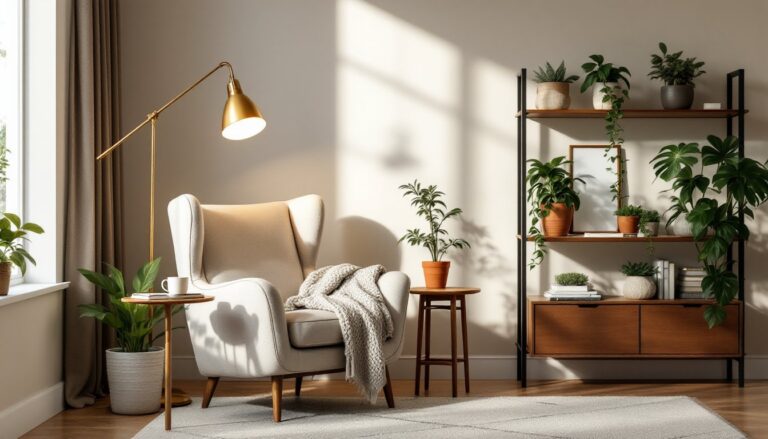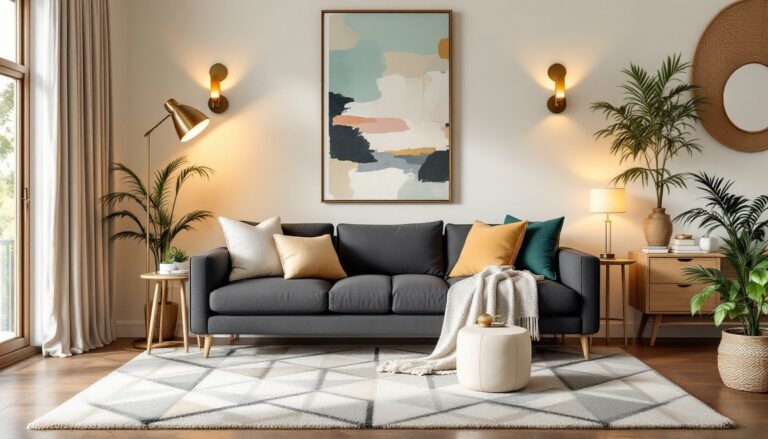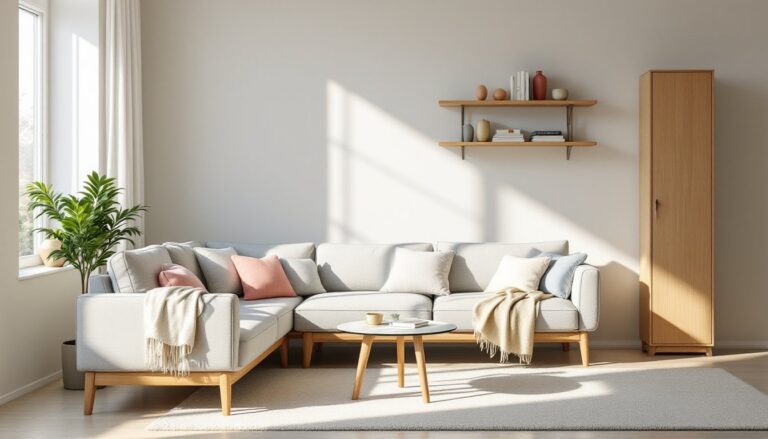
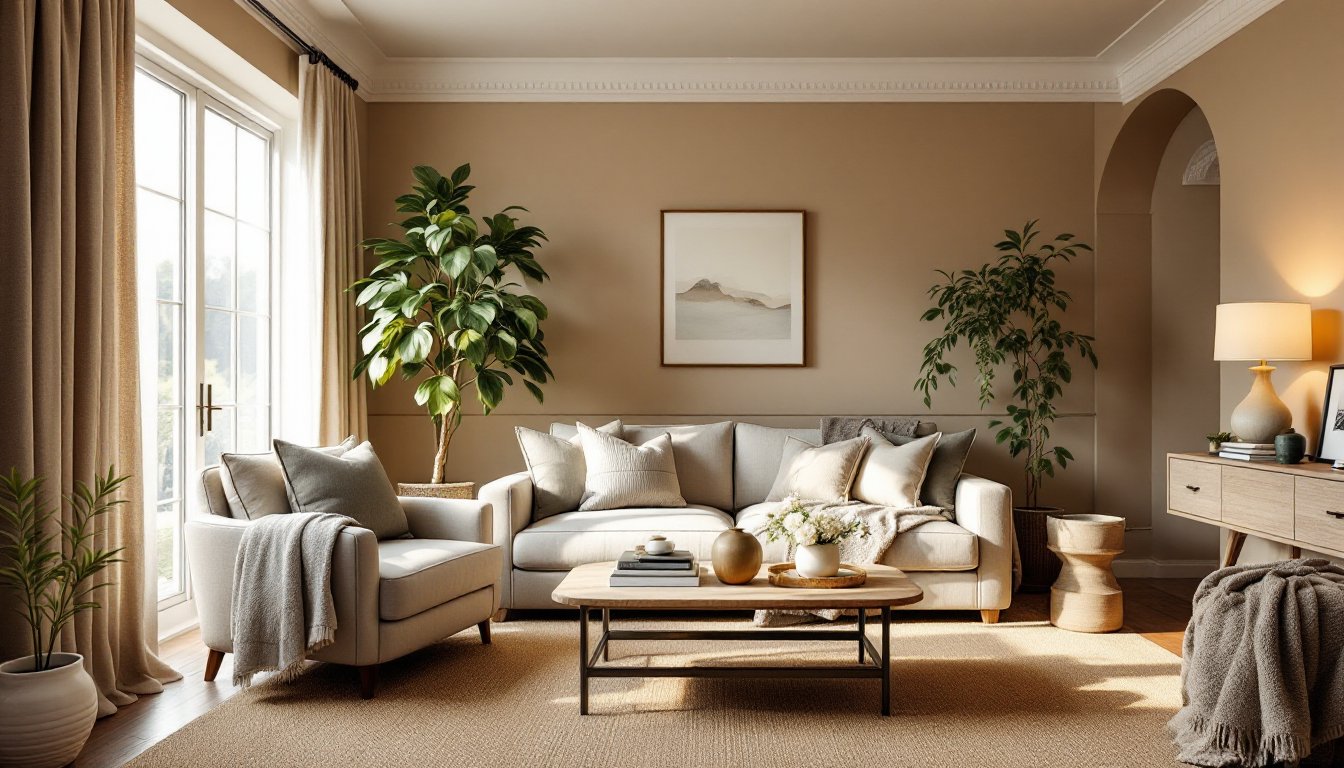
Your living room is the heart of your home, where guests gather, families relax, and you unwind after a long day. But too often, this key space feels uninspired, outdated, or simply mismatched. The good news? A well-planned decor overhaul doesn’t require a designer’s budget or months of upheaval. By tackling seven straightforward but impactful decor ideas, you can transform your living room into a warm, functional, and visually cohesive space that reflects who you are. Whether you’re working with a small apartment or a sprawling family room, these strategies will help you create a living room that actually works, and looks great doing it.
Table of Contents
ToggleKey Takeaways
- A cohesive three-to-four color palette with a 60-30-10 distribution (dominant, secondary, and accent colors) creates a unified and intentional living room decor foundation.
- Layering three types of lighting—ambient, task, and accent—transforms flat overhead lighting into a warm, flexible space that adjusts to different times of day and moods.
- Adding texture through varied fabrics, finishes, and materials like linen, wool, velvet, and matte-shiny combinations prevents a monochromatic living room from feeling cold or flat.
- Strategic furniture arrangement focused on clear focal points, unobstructed traffic flow, and properly sized area rugs makes your living room more functional and professionally designed.
- Live plants grouped by varying heights and leaf shapes improve air quality while adding vertical interest and life without requiring expert gardening skills.
- Quality accessories—well-made throw pillows, rugs, lamps, and side tables—are more affordable and flexible than structural changes, making them ideal for testing your living room decor style before committing to bigger investments.
Choose A Cohesive Color Palette
A strong color palette is the backbone of any successful room. Instead of picking random colors, start by choosing a dominant color that covers roughly 60% of the room, typically your walls, large furniture, or a rug. Then add a secondary color at 30% and an accent color at 10%.
Warm neutrals like beige, taupe, and soft gray are forgiving starting points that let you layer in personality through accessories. Cool tones like slate blue, sage green, or warm white create calm, modern spaces. The key is restraint: limiting your palette to three or four colors prevents the space from feeling chaotic.
Consider your natural light before committing. North-facing rooms benefit from warm tones to counteract cool light, while south-facing spaces can handle cooler hues. Paint a large swatch on your wall and observe it at different times of day, color always looks different in morning, afternoon, and evening light. Test your palette with throw pillows, a small area rug, or temporary wall decals before painting.
Remember that adjacent rooms matter too. If your living room opens directly into a kitchen or hallway, your color choices there will affect how your living room feels. A cohesive flow between spaces makes your entire home feel intentional, not fragmented.
Layer Your Lighting For Ambiance
Flat, overhead lighting is the enemy of a welcoming living room. Professional designers always layer three types: ambient (general light), task (functional light for reading or working), and accent (mood-setting light).
Start with ambient lighting: install a dimmer switch on your ceiling fixture so you can adjust brightness depending on the time of day and occasion. Dimmer switches are simple DIY upgrades, turn off the breaker, swap out the switch (standard in most codes), and you’ve added tremendous flexibility.
Task lighting means table lamps on side tables or reading nooks, and a desk lamp if you have a work zone. Look for lamps with a warm color temperature between 2700K and 3000K, this mimics incandescent bulbs and feels cozy, unlike harsh 5000K office lighting.
Accent lighting brings personality: wall sconces flanking artwork, LED strip lighting behind a floating shelf, or a pendant light hanging above a console table. These don’t need to be bright: they set the mood and draw the eye to focal points. A few well-placed accent lights instantly make a room feel designed rather than default.
Layer these sources around the room rather than relying on one ceiling fixture. You’ll find yourself adjusting brightness throughout the day, and that flexibility is what separates cookie-cutter rooms from truly livable spaces.
Add Texture Through Fabrics And Furnishings
A monochromatic color palette without texture feels cold and flat. Texture, the tactile quality of different surfaces, is what makes a room feel layered, comfortable, and sophisticated.
Start with your largest upholstered pieces. A linen or linen-blend sofa has a subtle weave that’s more interesting than smooth microfiber. If your sofa is already in place, build texture around it: add a chunky wool throw blanket, layer in a textured jute or sisal area rug, and scatter velvet or corduroy throw pillows. These materials feel different under your hand, which adds depth even if your color palette is simple.
Don’t overlook window treatments. Heavy linen drapes or a woven shade add warmth and texture, plus they control light better than thin curtains. A textured wallpaper or shiplap accent wall works too, though it’s more involved than fabric layers.
Mix matte and shiny finishes. A matte ceramic table lamp next to a brass side table, or a soft fabric sofa paired with a smooth glass coffee table, creates visual and tactile contrast. Avoid covering everything in the same material or finish, that uniformity reads as boring, not cohesive.
One word of caution: textured fabrics require maintenance. Linen wrinkles easily, wool can pill, and velvet shows dust. Know what you’re willing to vacuum, lint-roll, or steam before committing to high-maintenance textures.
Incorporate Plants For Life And Freshness
Live plants do more than green up a corner, they improve air quality, add oxygen, and create a connection to nature that makes rooms feel alive. You don’t need a green thumb: even the most space-filling beginner plants tolerate neglect.
Large statement plants like a rubber tree, Fiddle Leaf Fig, or tall snake plant create vertical interest and fill awkward corners. Place them in or near natural light (east or west-facing windows are usually ideal, though many thrive in moderate indirect light). Use a tall ceramic planter or simple wooden stand to make the plant part of your decor scheme, not just a forgotten potted thing.
Trailing or cascading plants like pothos or string of pearls work beautifully on floating shelves or hanging planters, softening hard architectural lines. Tabletop plants like small succulents or a compact snake plant fit on side tables or shelves without demanding a ton of space.
Be honest about your lifestyle. If you travel frequently or forget to water, stick with drought-tolerant succulents or snake plants. If you have pets, avoid toxic varieties like lilies or philodendrons (research before purchasing). Most common houseplants need water roughly once a week, but timing depends on your home’s humidity, light, and pot size.
Group plants of varying heights and leaf shapes together to create a visual arrangement, rather than scattering single plants everywhere. This intentionality makes plants look curated, not accidental.
Arrange Furniture For Flow And Function
A beautiful room with terrible furniture layout feels dysfunctional and uncomfortable. Start by identifying your living room’s focal point: the TV, a fireplace, or a large window. Arrange your seating to face this point, creating clear sightlines so people can converse and see the focal point without contortion.
Keep traffic pathways clear. Imagine walking from the entryway to the kitchen, is your sofa blocking that route? Rearrange so people can move through the room naturally. This invisible flow is what separates professional design from a random furniture shuffle.
Seating layouts vary by room size. An L-shaped sofa with a couple of chairs and a coffee table works for most living rooms. A rectangular room might benefit from a sofa facing the focal point, chairs perpendicular, and a side table for balance. In smaller spaces, floating furniture away from walls (rather than pushing everything to the perimeter) makes the room feel larger and more intentional.
Measure your doorways, hallways, and staircases before dragging anything in. A sectional that measures 8 feet by 8 feet is beautiful but useless if it won’t fit through a 36-inch doorway. This isn’t a failure, it’s smart planning.
Don’t be afraid to anchor your furniture arrangement with an area rug that’s large enough for the front legs of your seating to rest on it. This visually unifies the seating area and signals “this is a room,” especially in open-concept spaces where zones blur together.
Display Artwork And Personal Touches
Bare walls are wasted real estate. Artwork, whether paintings, photographs, prints, or even a textile, turns walls into focal points and reflects your personality. The key is intentional arrangement, not random hangings.
Large single pieces work well above a sofa or console table. A gallery wall (grouping multiple frames in a deliberate pattern) draws attention and works especially well in hallways or above a fireplace mantel. Designs on wall decor ideas for the living room showcase how professional designers layer prints, frames, and compositions.
When hanging artwork, the center of the piece should be roughly 57 to 60 inches from the floor (eye level for standing). Above furniture, leave a 6- to 8-inch gap between the frame and the furniture’s edge. Use a level and a stud finder to locate studs, drywall alone won’t safely hold heavier pieces.
Mix frame finishes and styles within a gallery wall for visual interest. Black frames, natural wood frames, and brushed metal frames can coexist if they’re intentional and roughly balanced. Matting in different colors (white, cream, or even soft pastels) adds dimension.
Personal touches, family photos, travel souvenirs, heirloom objects on shelves, make a room feel lived-in and warm. Display these alongside artwork rather than scattering them everywhere. A styled shelf with a plant, a book, a framed photo, and a small sculpture feels curated: random objects crammed together feel cluttered.
Remember that interior design ideas and furniture guides can provide inspiration for display arrangements and styling techniques.
Invest In Quality Accessories
Accessories, throw pillows, blankets, area rugs, side tables, and lamps, bridge the gap between big furniture and overall style. Unlike structural changes or painting, accessories are relatively affordable and flexible, making them perfect for testing a direction before committing.
Quality matters here. A cheap throw pillow with visible seams and thin fabric will unravel after a season: a well-made one lasts years and actually feels nice. Look for pillow covers with overlocking seams (stitching that wraps around edges) and dense, quality batting that holds its shape. Similarly, a wool or cotton area rug outlasts synthetic options and handles spills better.
Tables and stands anchor the room functionally and visually. A side table gives you a place to set a drink, lamp, and book. Choose materials that coordinate with your color palette and existing furniture, wood pairs with warm tones, metal goes with modern palettes, and stone works with nearly everything.
Invest in at least two quality table lamps for ambient and task lighting. Cheap lamps often have flimsy shades and wobble: well-made ones feel solid and cast better light. A decent coffee table is non-negotiable for functionality and visual weight, it shouldn’t be an afterthought.
Fresh flowers or greenery in a vase adds life and signals that the room is actively cared for. Swap them out weekly for immediate freshness. A stack of coffee-table books adds personality and provides a subtle visual anchor.
Resourceful designers often reference luxury interior design and designer furniture profiles to understand how professionals layer accessories effectively. The principle is simple: choose a few quality pieces over many cheap ones, and arrange them intentionally rather than cramming in everything at once.