Corner spaces in living rooms are often overlooked, treated as dead zones where furniture goes to be forgotten. But the truth is, a neglected corner can become one of your room’s most striking features with thoughtful planning and intentional styling. Whether you’re working with natural light from a window or a dim interior angle, corner living room decor offers unique opportunities for adding personality, function, and visual depth to your home. This guide walks you through seven practical strategies to transform that awkward corner into a stylish focal point that actually gets used and admired.
Table of Contents
ToggleKey Takeaways
- Transform neglected corners with thoughtful corner living room decor by assessing light, measuring space, and planning intentionally rather than treating them as dead zones.
- Select appropriately scaled furniture that fills 50–70% of corner space—such as corner sectionals, reading chairs, or console tables—to create functional zones that feel balanced and inviting.
- Layer three types of lighting (ambient, task, and accent) in your corner space to make it feel twice as large and dramatically more welcoming than relying on a single fixture.
- Use color, texture, and natural elements like houseplants to add personality and visual depth—pair different materials (linen, wood, ceramics) and include greenery to create a designed, intentional look.
- Maximize vertical wall space with floating shelves, mirrors, and artwork styled using the rule of odd numbers to display décor while keeping the corner visually balanced and clutter-free.
Assess Your Corner Space and Lighting
Before you buy a single throw pillow or plant, spend time in your corner at different times of day. Natural light behavior matters more than you’d think, a corner bathed in afternoon sun can support a completely different aesthetic than one that stays shaded.
Measure your corner precisely. Most living room corners are 90-degree angles with walls extending 8 to 10 feet in each direction, but yours might be smaller or angled differently due to architectural quirks. Note ceiling height, existing outlets, and any architectural features like trim or baseboards that’ll affect furniture placement.
Check what light sources already exist. If there’s a window, observe the direction and intensity, north-facing light is cool and even, while south-facing light shifts throughout the day. For interior corners without windows, count on overhead fixtures or lamps to do the work. Harsh overhead light flattens a space, so plan for layered lighting from the start. This assessment takes 10 minutes and prevents expensive mistakes later.
Choose the Right Furniture for Corner Living Rooms
Furniture selection makes or breaks a corner. The most common mistake is pushing a standard sofa into the corner and calling it done. Instead, think about how people will actually use the space.
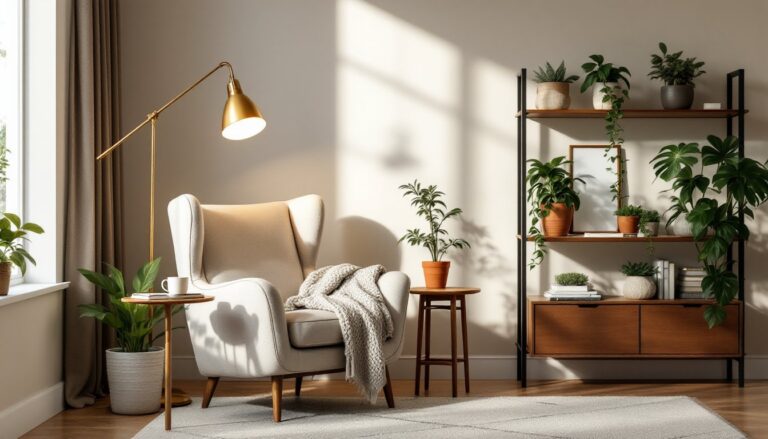
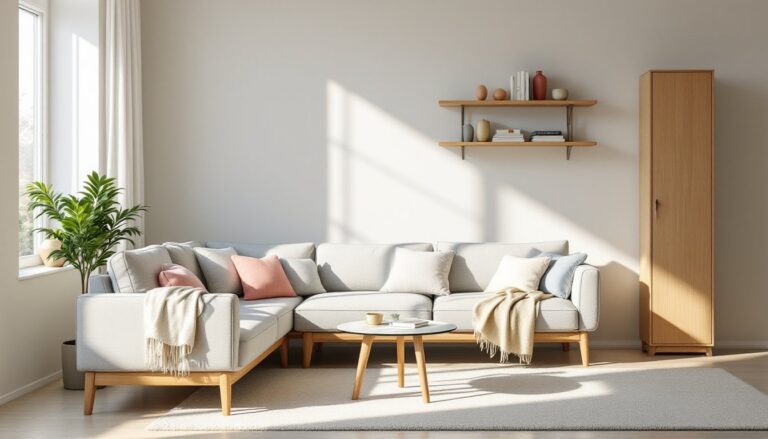
A corner sectional (60 to 72 inches deep and wide) anchors the area and creates seating that faces into the room. If you don’t have space for a full sectional, try a loveseat paired with an accent chair angled slightly inward, this creates conversation potential without eating the whole corner. Alternatively, a reading chair with a side table and floor lamp transforms the corner into an intimate retreat that serves a real function.
Scale matters enormously. Oversized furniture swallows a small corner: undersized pieces make it look sparse and unused. Measure the wall lengths and choose pieces that take up 50 to 70 percent of available space. A console table with baskets underneath works well in shallow corners, offering display and storage without committing to a seating arrangement. The goal is intentionality, your corner furniture should earn its spot by being useful, proportional, and visually balanced with the rest of the room.
Create Visual Interest With Layered Lighting
Lighting is the secret weapon for corner decor. A single overhead fixture or one small lamp leaves corners feeling flat and uninviting. Instead, layer three types of light: ambient (overhead or a ceiling fixture), task (reading or accent light), and accent (decorative or mood lighting).
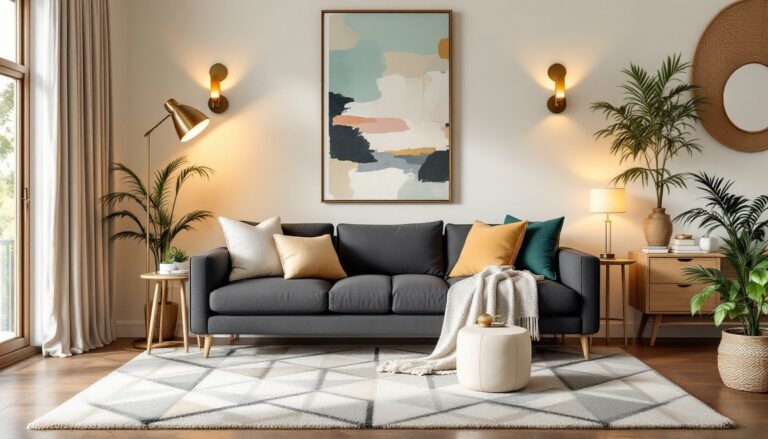
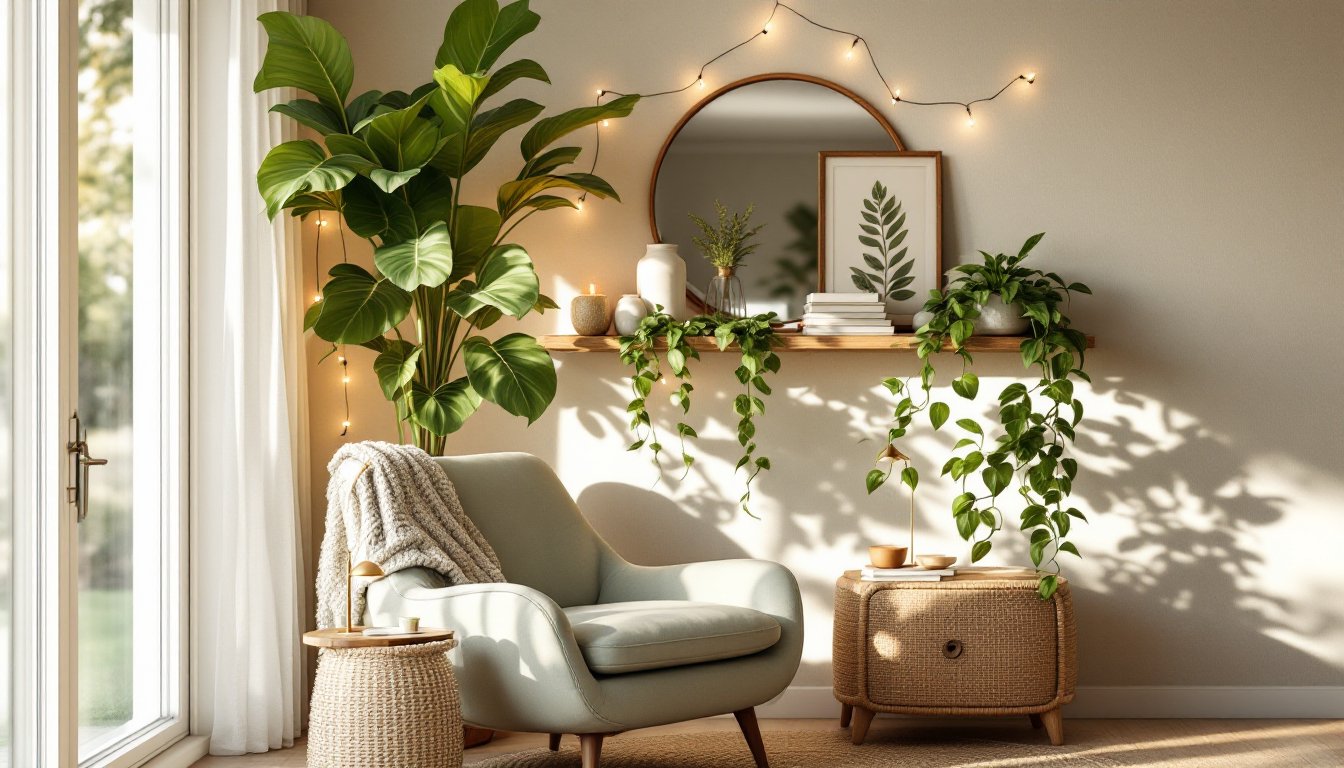
Place a floor lamp with a shade next to a reading chair to provide warm task lighting, look for models with adjustable heads so you can direct light where needed. Add a table lamp on a console or side table for additional ambient light: warm-toned bulbs (2700K color temperature) make corners feel cozier than cool white light. Finally, consider subtle accent lighting: string lights, wall sconces, or even candles in glass holders add atmosphere without clutter.
Wiring and safety matter. If you’re installing sconces or specialty lighting, run the cord behind furniture or use cord covers to avoid tripping hazards. Outlet placement often determines lamp positioning, so work with what you have rather than fighting it. The payoff is dramatic, a well-lit corner feels twice as large and infinitely more inviting.
Use Color and Texture to Define the Space
Color and texture are how you give a corner personality without major expense. Many people play it safe with neutrals, but even neutral schemes benefit from varied texture, the contrast between smooth, rough, soft, and reflective surfaces creates visual interest that keeps the eye engaged.
Start with a dominant color that complements your living room but feels slightly distinct. This could be a deep jewel tone on one wall (sage, navy, or burgundy), a textured wallpaper in a subtle pattern, or even just a carefully curated collection of throw pillows in coordinating colors. Texture comes next: pair linen with cotton, add a chunky knit throw, introduce a woven basket or jute rug, or hang a macramé wall hanging. These tactile elements stop a corner from feeling flat.
Light-colored corners feel larger: darker, richer colors feel grounded and intimate. Choose based on the corner’s purpose, a reading nook benefits from cozy warmth, while a display corner might shine with lighter, airier textures. The rule of thumb is to include at least three different textures (fabric, wood, perhaps metal or ceramic) in one corner to make it feel designed rather than accidental.
Add Greenery and Natural Elements
Living plants elevate corner decor from styled to alive, literally. Plants soften architectural lines, improve air quality, and give the space a sense of intentionality that no printed art can match. Indoor plants also adapt surprisingly well to varying light conditions, so even a dim corner has options.
For bright corners, try a Ficus, Monstera, or Fiddle Leaf Fig, these statement plants add height and visual impact. In medium light, Pothos, ZZ plants, or Snake plants thrive and require minimal fussing. Low-light corners aren’t lost: Philodendrons, Peace Lilies, or Parlor Palms handle shade gracefully. Pair large plants with smaller trailing or compact varieties to create visual depth, a tall plant in back, medium plants mid-height, and trailing plants in front reads like a thoughtful arrangement rather than a random placement.
Natural elements beyond plants also work: driftwood, stone, woven baskets, or wooden shelving echo indoor plant care and feel grounded. Rocks in glass vases, branches in a tall vase, or a wooden ladder shelf holding plants and small decor pieces add layered visual interest. The moisture and humidity from living plants benefits the corner’s air quality, and the psychological benefit of greenery is proven, it genuinely makes people feel calmer and more engaged with their space.
Style Shelving and Wall Décor
Wall space in corners is prime real estate for shelving and décor, especially in small living rooms where floor space is precious. Floating shelves (12 to 24 inches deep) mounted 18 to 24 inches apart create display areas without visual heaviness. A corner-mounted shelf unit maximizes awkward angles and gives you dedicated space for decor, books, or functional storage.
When styling shelves, apply the rule of odd numbers and varied heights: arrange items in groups of three or five rather than two or four. Mix books (stored horizontally and vertically), small plants or planters, framed photos or artwork, and decorative objects, a ceramic vessel, a candle, a small bowl. Repetition creates cohesion: if you love ceramic, include it across multiple shelves in different sizes. Interior design resources like MyDomaine showcase effective shelf styling that balances fullness without clutter.
Above shelves, hang artwork, a mirror, or a textile at eye level when seated. A large mirror visually doubles the corner and bounces light around the room, making the whole space feel bigger. Mirrors also reflect whatever’s across from them, so position carefully. Art should feel intentional, even one large statement piece matters more than a scattered gallery wall that feels anxious. The wall itself can carry weight and style without furniture underneath: consider it as important as what sits below.
Conclusion
A corner in your living room isn’t wasted space, it’s an opportunity to express style and create a functional, beautiful zone that enhances your entire home. Start with assessment, choose furniture with purpose, layer your lighting, and weave in color, greenery, and thoughtful wall styling. The transformation doesn’t require professional design help or a massive budget. With intentional choices and honest evaluation of light and scale, any corner becomes a focal point you’ll actually want to spend time in.