
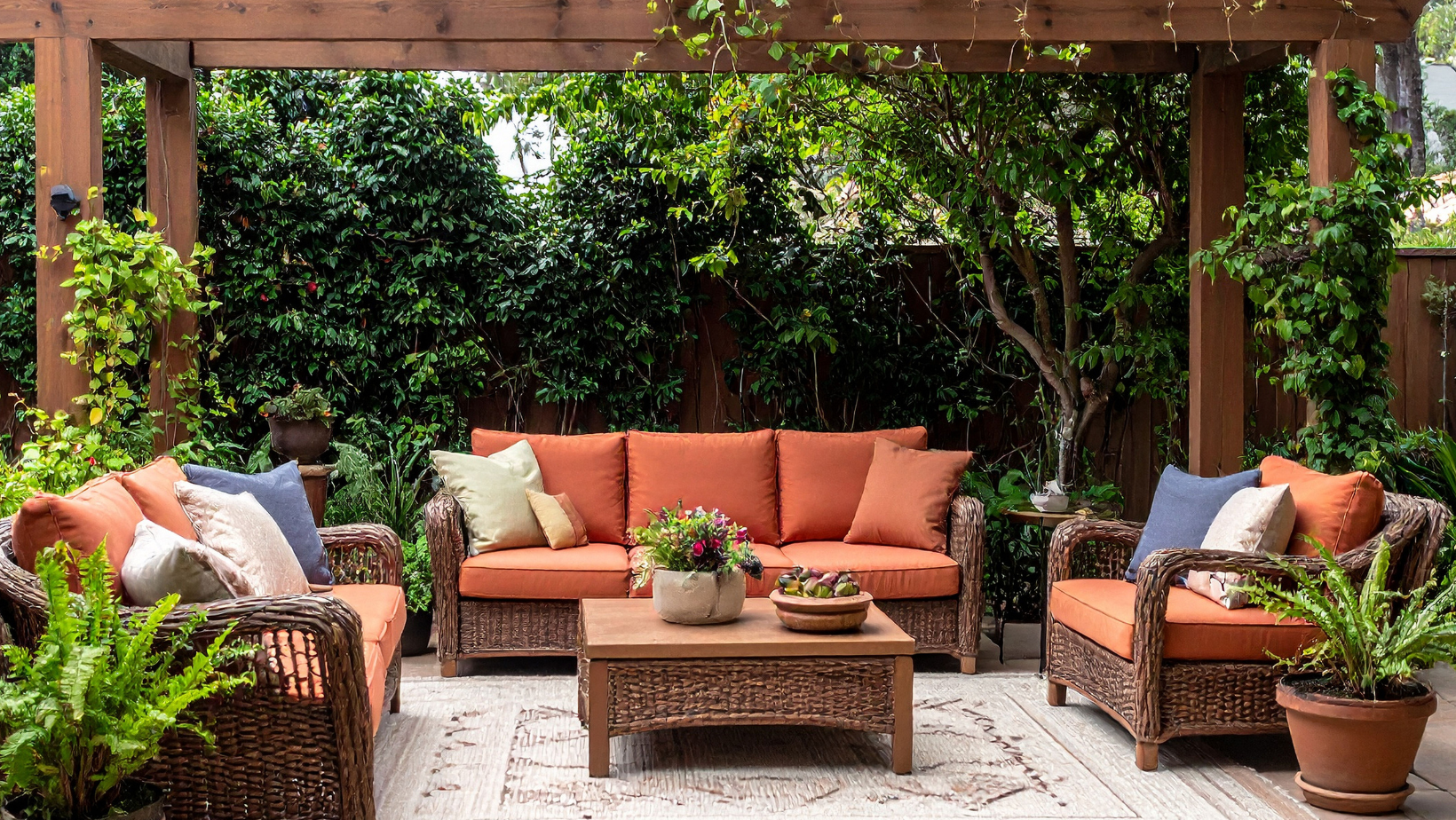
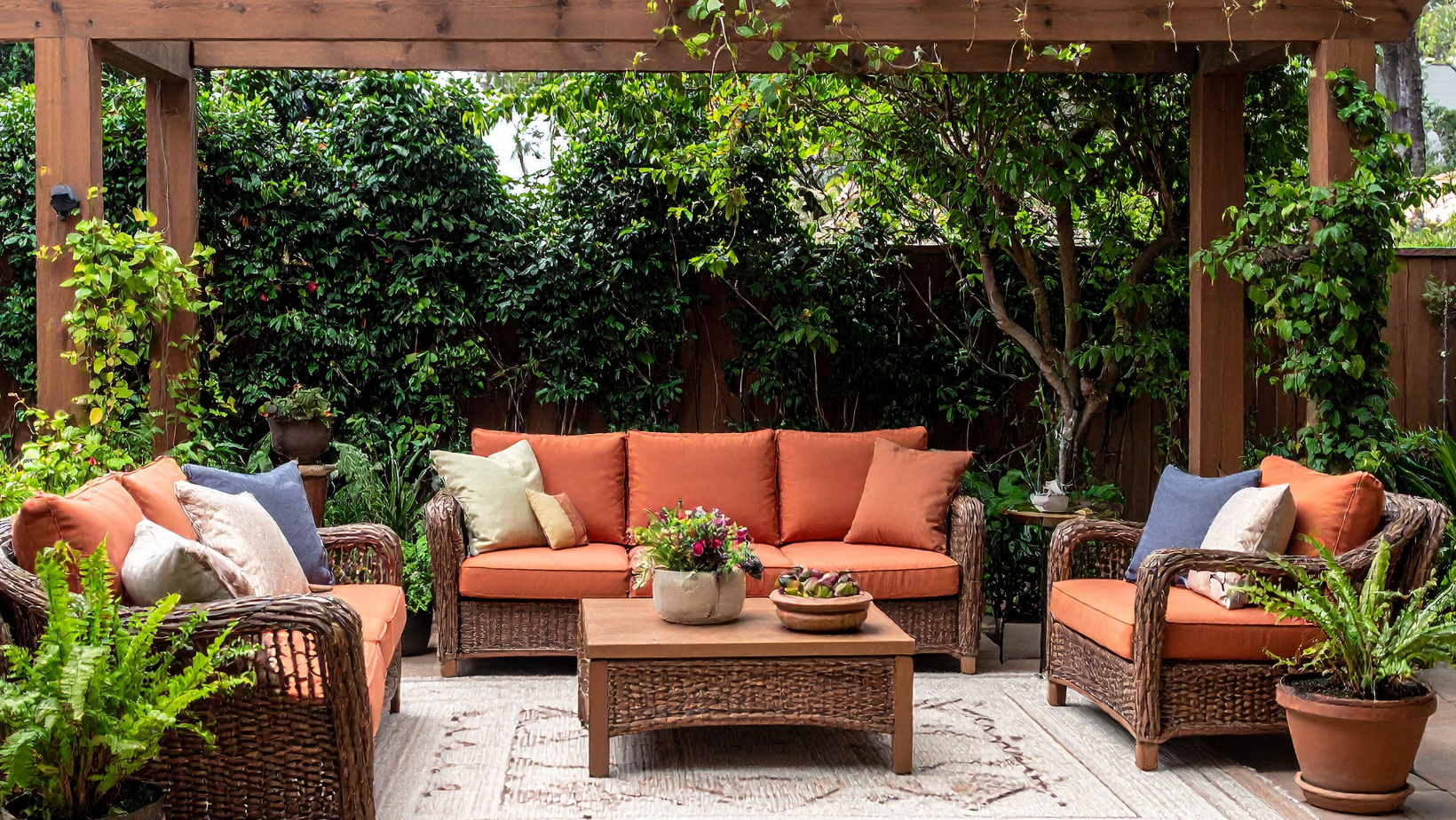
Outdoor spaces have a habit of feeling unfinished. You add furniture, maybe a plant or two, and it still looks flat — or worse, it looks great for six months and then slowly becomes a chore. Weeds creep in, surfaces stain, and suddenly the space you were meant to enjoy feels like another thing on the to-do list.
The challenge isn’t adding character. It’s adding the right kind of character — the kind that improves with age instead of demanding constant attention. That balance comes down to a few smart design choices that work with everyday life, not against it.
Why “Low Maintenance” Often Ends Up Looking Boring
Many people hear “low maintenance” and think it means plain. Smooth concrete. Identical pavers. Neutral everything. While these options are easy to clean, they can also feel sterile, especially outdoors, where natural variation is what makes a space inviting.
The trick is to choose materials and layouts that hide wear instead of highlighting it. Surfaces that show every crack, stain, or colour shift will always look worse over time. Textured, irregular, and layered designs tend to do the opposite — they disguise small imperfections and make the space feel intentional rather than neglected.
Focus on Surfaces First — They Do the Heavy Lifting
Furniture and décor can always be swapped out, but surfaces set the tone. Paths, patios, and paved areas take the most abuse from weather, foot traffic, and everyday mess, so getting these right matters more than any accessory.
When choosing surface materials, look for options that:
- Age naturally rather than evenly
- Don’t rely on perfect alignment
- Can handle dirt without looking dirty
This is why finishes with variation often outperform perfectly uniform ones. For example, a surface with mixed stone shapes or subtle colour shifts won’t show minor movement or wear as clearly. In many outdoor designs, this is where options like Crazy Pave from GatherCo make sense — not as a feature that needs babysitting, but as a practical foundation that keeps its character even when life gets messy.
Let Imperfection Work in Your Favour
Nature isn’t symmetrical, and outdoor spaces don’t need to be either. Trying to force everything into straight lines and exact matches usually backfires. One small shift or crack stands out because everything else is so precise.
Instead, embrace controlled irregularity:
- Use uneven stone or textured finishes
- Mix materials with similar tones but different textures
- Avoid overly tight grout lines that show movement
These choices don’t just add visual interest — they also reduce the pressure to keep everything looking “perfect”.
Choose Elements That Look Better With Use
Some materials age badly. Others gain character. The difference often comes down to whether wear looks like damage or patina.
Good low-effort choices include:
- Natural stone that softens in colour over time
- Timber that silvers rather than splinters
- Metals designed to oxidise evenly
Avoid finishes that rely on a pristine surface to look good. Glossy coatings, thin paints, and high-contrast colours tend to highlight every mark.
Keep the Design Simple, Not Sparse
Low maintenance doesn’t mean empty. It means intentional.
A few well-chosen features are easier to care for than many small ones. Instead of filling the space with décor, anchor it with:
- One strong surface material
- A limited, repeatable colour palette
- Built-in elements like seating edges or steps
This approach reduces clutter while still giving the space a finished, considered feel.
Think About Cleaning Before You Think About Looks
It’s easy to imagine how a space will look on day one. It’s harder — and more important — to think about how it will look after a year of use.
Before committing to any feature, ask:
- Can I hose this down easily?
- Will leaves, dirt, or water collect here?
- Does this need sealing, repainting, or special cleaners?
If the answer involves frequent effort, it’s probably not the right fit for a relaxed outdoor area.
Blend Hard and Soft Elements Carefully
Plants add life, but too many can increase maintenance fast. The key is to balance greenery with hard surfaces so neither feels overwhelming.
Practical tips:
- Use fewer, larger plants instead of many small ones
- Choose hardy varieties that don’t drop constantly
- Define planting areas clearly to stop overgrowth
When greenery is framed properly, it enhances the space without turning into ongoing work.
Design for Real Life, Not Photos
Outdoor spaces should handle spills, muddy shoes, pets, and weather without falling apart. Designs that only work in styled photos rarely survive everyday use.
Character comes from spaces that feel lived in — not fragile. When surfaces, layouts, and materials are chosen with longevity in mind, maintenance drops naturally and enjoyment goes up.
A well-designed outdoor area doesn’t ask for constant attention. It quietly does its job, looks good doing it, and lets you focus on actually using the space instead of managing it.