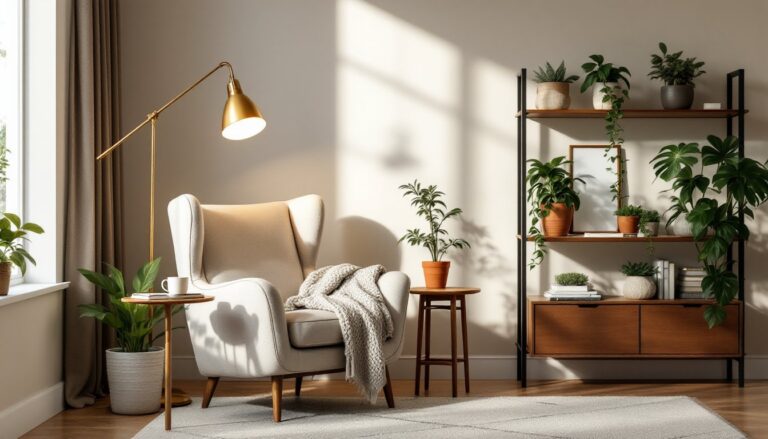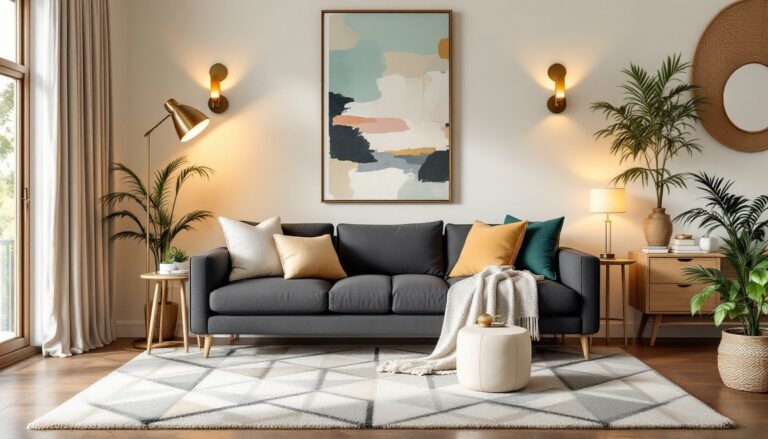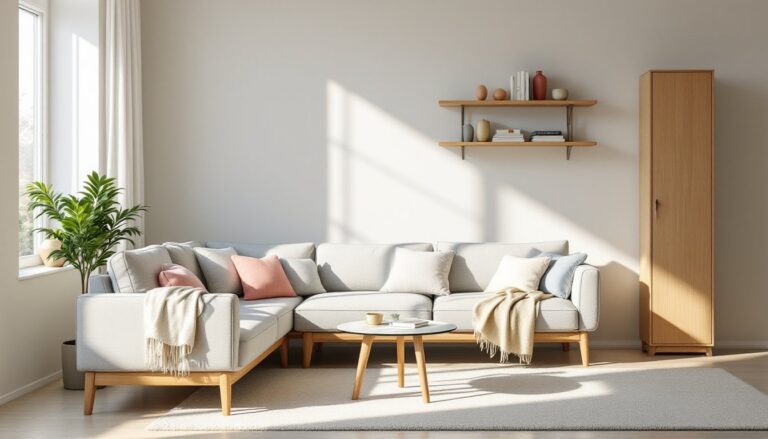
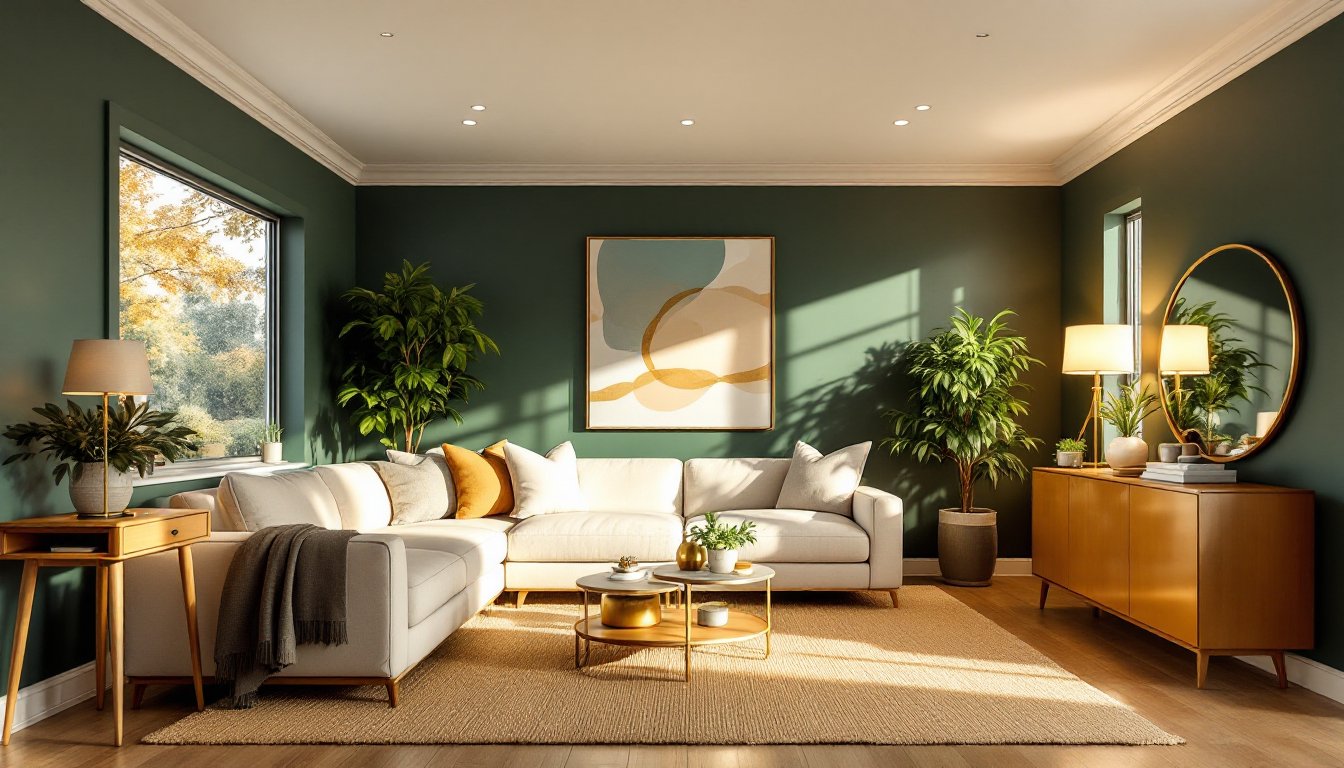
Dark green has moved from trend status to a proven living room staple for homeowners seeking warmth and elegance without fuss. Unlike stark grays or beiges, dark green creates immediate sophistication, it’s rich enough to feel intentional yet versatile enough to work with dozens of design directions. Whether you’re planning a full-room refresh or testing the waters with an accent wall, dark green offers the perfect foundation for a sanctuary that feels both inviting and polished. This guide walks you through the practical decisions: wall approaches, furniture pairings, lighting strategies, and styling choices that’ll make your dark green living room feel finished and livable from day one.
Table of Contents
ToggleKey Takeaways
- Dark green living room ideas succeed because the color is psychologically grounding, pairs with nearly every other hue, and maintains timeless appeal across coastal, modern, and traditional styles.
- Start with an accent wall if testing dark green—paint it on the focal wall opposite your seating, use quality primer to prevent color bleed, and apply two coats with proper drying time between applications.
- Lighting is critical for dark green rooms: layer ambient, task, and accent lighting with 3000K–4000K warm white fixtures to prevent the space from feeling cave-like.
- Choose light upholstered furniture (cream, soft taupe, warm gray) to create contrast against dark green walls and prevent the room from feeling one-dimensional.
- Incorporate plants, large-scale artwork with lighter backgrounds, and strategically placed mirrors with gold or brass frames to add depth and reflect light throughout your dark green living room.
Why Dark Green Works So Well In Living Rooms
Dark green succeeds in living rooms because it hits a psychological sweet spot. It’s calm and grounding, closer to nature than synthetic, but without the coldness that gray can carry. Forest, hunter, and sage-toned greens also mask minor dust and scuffs better than lighter colors, which matters in a high-traffic space where people actually live.
The color also pairs exceptionally well with nearly every other hue. Warm taupes, creams, and golds complement dark green beautifully, as do jewel tones like deep blues and burgundy. Neutral whites and warm grays work just as easily. This flexibility means you’re not locked into a single aesthetic the moment you pick a paint color.
Dark green also has real staying power. It doesn’t read as trendy or dated, it’s the living room equivalent of a well-made wooden dresser that works in coastal, modern, traditional, and eclectic spaces alike. Many homeowners report their dark green rooms feel more intimate and purposeful than rooms painted in lighter, more generic colors.
Wall Color Approaches: From Accent Walls To Full Coverage
Creating An Accent Wall With Dark Green
An accent wall is the smart first move if you’re testing dark green or want to minimize risk. Choose the wall that draws the eye naturally, usually the wall opposite your main seating or the one behind your television. A quality semi-gloss or eggshell finish reflects light better than flat paint and hides minor imperfections, which matters on focal-point walls.
Prep work makes the difference. Fill any nail holes or dents with spackling compound, sand lightly once dry, and apply primer on any patched areas. Use a high-quality primer designed for color changes: cheap primer requires extra topcoats and costs you money in the long run. For dark green, primer prevents the base color from bleeding through and ensures the green sits true.
Paint in two coats, allowing full drying time between coats (follow the can’s instructions, usually 2–4 hours for latex). Use a 2.5-inch angled brush for corners and edges, a roller for the main wall surface. Overlap your roller strokes slightly and work in sections about 3 feet wide to avoid lap marks.
Painting All Four Walls: Design Considerations
Painting all four walls in dark green requires confidence, but it pays off when executed thoughtfully. The key is ceiling height and lighting. In rooms with 9-foot ceilings or higher, dark green feels spacious and dramatic. In 8-foot or lower ceilings, consider lighter shades of green or reserve dark green for just one wall and use a warm neutral elsewhere.
Lighting is non-negotiable when going full coverage. Dark green demands bright, well-placed light sources or it’ll feel cave-like. Pair it with ambient ceiling fixtures, task lighting near seating, and accent lighting on artwork or plants. Natural light also matters, rooms with north-facing windows (cool light) need warmer undertones of green, while south-facing rooms tolerate cooler tones.
Sample before committing. Paint large swatches (at least 2 feet by 3 feet) on different walls and observe them at different times of day. Dark green shifts dramatically between morning, afternoon, and evening light. What looks sophisticated in daylight might feel moody at night, or vice versa. Live with the samples for 3–5 days before painting the whole room.
Furniture And Textile Selections For Dark Green Rooms
Furniture in dark green rooms works best when it creates contrast or complements the wall tone without competing. Light upholstered pieces, cream, warm gray, soft taupe, anchor the space and prevent it from feeling one-dimensional. A neutral sofa or sectional keeps the room feeling balanced: dark furniture recedes against dark walls and can make the space feel smaller.
Wood tones matter more in dark green rooms than they do in lighter spaces. Warm walnut, honey oak, or rich cherry bring out the earthy undertones in forest greens. Cool-toned metals like brushed nickel or chrome work too, especially in modern settings. Avoid plastic-looking finishes or extremely dark woods that blur into the walls.
Textiles are where personality enters. Layer in throw pillows, blankets, and area rugs that echo the color combinations you’re drawn to. If pairing dark green with cream and gold, pull those into your textiles. If you’re going dark green with deep navy and burgundy, reinforce that in your fabric choices. A quality wool or jute area rug grounds the seating area and adds warmth underfoot.
Certain designers reference 10 color combinations that as a starting point for coordinating your textile palette without overthinking it.
Lighting Strategies To Enhance Your Dark Green Living Room
Dark colors absorb light, so a well-planned lighting scheme is the difference between a sophisticated retreat and a dungeon. Layer three types of light: ambient (overhead), task (reading lamps or desk lights), and accent (uplighting on artwork or walls).
Start with recessed ceiling lights or a flush-mount fixture for ambient light. If your ceiling height allows, a chandelier or pendant light adds character and ensures even light distribution. Aim for 3000K to 4000K color temperature, warm white light that doesn’t feel cold or sterile against dark green.
Add task lighting near your main seating. A floor lamp beside a reading chair or a table lamp on a side table provides functional light and visual interest. Choose fixtures that reflect light onto the green walls, brass, copper, or gold finishes bounce warm light throughout the room.
Accent lighting is the finishing touch. Wall sconces flanking a mirror or artwork, or uplighting behind a plant, create depth and prevent the room from feeling flat. Consider installing dimmers on your main fixtures so you can adjust the mood from bright and energetic to warm and cozy without turning off lights entirely.
Accessorizing And Styling Your Space
Accessories prevent dark green rooms from feeling heavy. Bring in plants, actual greenery adds life and texture without reading as extra color. Pothos, snake plants, and fiddle leaf figs all thrive in moderate indoor light and create visual rhythm against solid walls.
Artwork becomes a major tool in dark green rooms. Large-scale pieces with lighter backgrounds or metallic frames draw the eye and break up wall space. Black and white photography, botanical prints, or abstract pieces with cream and gold tones all work beautifully. Gallery walls can feel cluttered against dark walls, so stick to fewer, larger pieces or very carefully curated collections.
Mirrors are essential. A large mirror with a gold or brass frame opposite a light source reflects light around the room and makes the space feel larger. Position it to catch natural light if possible.
Decor objects should be intentional. Candlesticks, books stacked horizontally, and ceramic vessels in cream, white, or soft gold tones add visual relief without clashing. Avoid too many small objects or the room starts to feel scattered.
Many homeowners turn to interior design inspiration from leading design platforms when finalizing accessory choices, since seeing real rooms in context helps clarify what works versus what feels overdone. Television and design shows like those featured on HGTV also showcase dark green living rooms in real-world applications, offering practical styling cues you can adapt to your own space.