A cozy living room isn’t an accident, it’s the result of thoughtful choices about lighting, color, texture, and layout. Whether you’re starting from scratch or refreshing a tired space, the goal is the same: create a room that pulls people in and makes them want to stay. For homeowners tackling their own interiors, the path to cozy living room decor doesn’t require a designer’s budget or professional installation skills. This guide walks through seven essential design elements that transform an ordinary living room into the heart of the home, a space where comfort and style work together naturally.
Table of Contents
ToggleKey Takeaways
- Layered lighting with warm white bulbs (2700K), dimmers, and accent lights is the foundation of cozy living room decor, eliminating harsh shadows and creating inviting pools of warmth.
- Choose warm neutral wall colors with deeper accent tones and layer in color through textiles and accessories that can be seasonally refreshed without major commitment.
- Quality seating and textiles matter more than expense—prioritize comfortable furniture and mix textures like linen, wool, and velvet to add tactile interest to your space.
- Natural elements like plants and wooden furniture soften hard edges and ground the room, while even low-light-tolerant plants improve both air quality and ambiance.
- Declutter intentionally by removing unused items and organizing what remains with baskets and storage solutions, then arrange furniture to encourage conversation and movement.
- Personal touches—family photos, travel souvenirs, and hobbies displayed throughout—transform a magazine-perfect living room into an authentic home that reflects who you are.
Start With Warm, Layered Lighting
Lighting is the foundation of coziness, and most living rooms fail here by relying on a single overhead fixture. Instead, plan for three layers: ambient (general room light), task (reading, working), and accent (highlighting features or creating mood).
Begin with ambient lighting. A ceiling fixture works, but consider adding dimmers so you can adjust the intensity, warm white bulbs (2700K color temperature) feel cozier than bright white (4000K+). Install dimmer switches if your budget allows: many DIYers can swap a standard switch for a dimmer without calling an electrician, though confirm your circuit supports it first.
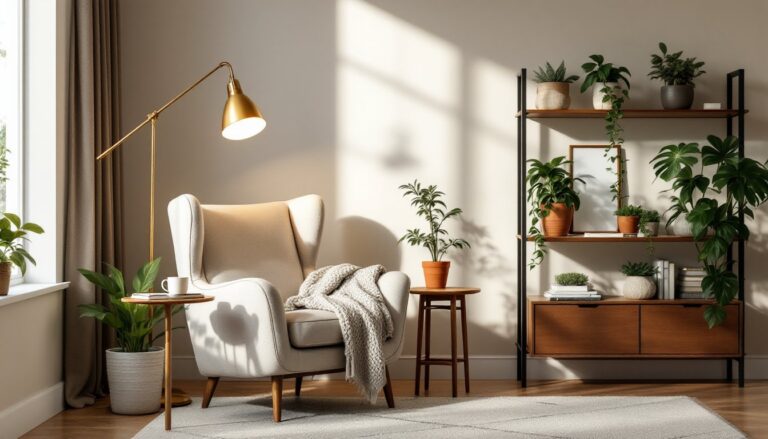
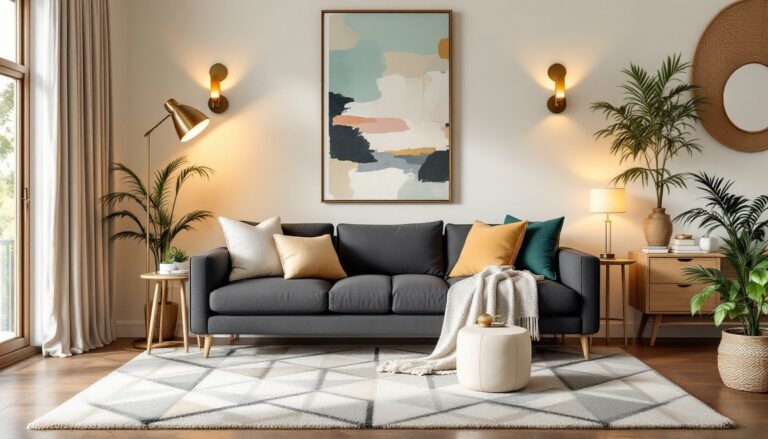
Task lighting comes next. A floor lamp beside a reading chair or wall sconces flanking a mirror give functional light where you need it. Wall sconces are an excellent choice for living rooms, they free floor space and create visual balance. If you’re confident with electrical basics, hardwired sconces offer a finished look, though plug-in swag lamps work just as well and require zero wiring.
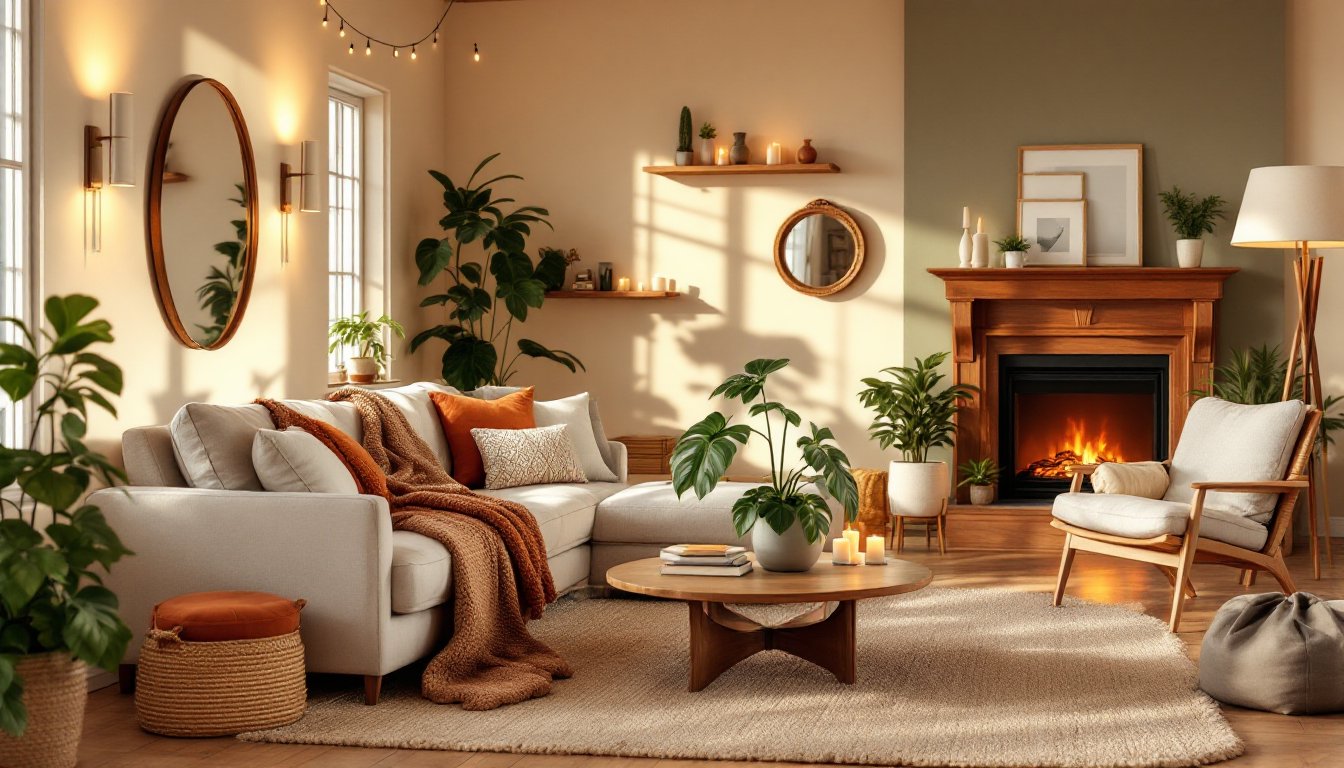
Finally, layer in accent lighting: candles, string lights, or small uplights behind furniture. These aren’t about brightness, they’re about warmth and texture. Table lamps with fabric shades also diffuse light softly. The goal is to eliminate harsh shadows and create pools of warm light that invite people to sit down.
Choose a Comfortable Color Palette
Color sets the mood more than any other single element. Cozy living rooms typically lean toward warm neutrals, creams, taupes, warm grays, soft whites, but the key is avoiding sterile or cold undertones. If a white paint swatch looks blue-gray in your space, it’s too cold: shift toward creams with warm undertones instead.
Warm neutral walls create a calm backdrop, then add depth with textured accents. An accent wall in a deeper warm tone (muted terracotta, sage green, or warm charcoal) can define the space without overwhelming it. Paint is one of the cheapest, highest-impact updates you can make, a gallon of quality interior paint covers roughly 400 square feet and costs $30–$60 for mid-range brands. Prepare surfaces properly: fill holes, sand glossy spots, prime if needed, and let the primer dry fully before painting. Two coats of finish paint is standard for even coverage.
Bring in color through accessories and textiles, which are easier to change than paint. Throw pillows, blankets, and area rugs in warm tones, burnt orange, rust, deep gold, forest green, layer these over your neutral base. This approach lets you refresh the room seasonally without major commitment. Upholstered furniture in neutral fabrics (linen, cotton, wool blends) anchors the space and pairs with any accent color you choose.
Invest in Quality Seating and Textiles
A cozy living room revolves around comfort, and comfort starts with seating. You don’t need a designer sofa: you need one that actually feels good to sit on, holds up over time, and fits your space proportionally. A sofa that’s too large dominates the room: one that’s too small looks out of place.
When shopping, sit on pieces in person, don’t buy blind online. Feel the cushion firmness, check if the seat depth suits your leg length, and test the arm height. Measure your doorways and hallways before buying: the old joke about sofas not fitting through doors exists because it happens constantly. Most sofas cost $800–$2,500, depending on quality and size, and a good one lasts 7–10 years if you care for it.
Pair seating with textiles: throw blankets, area rugs, and layered pillows. These aren’t just decorative, they’re tactile and warm. A chunky knit blanket draped over the sofa arm says “settle in here.” Mixing textures (linen, wool, velvet, faux fur) adds visual and physical interest without clashing. Quality doesn’t mean expensive: thrift stores and budget retailers stock cozy textiles. An area rug anchors the seating zone, defines the space, and absorbs sound, a 5×8 natural fiber rug runs $150–$400 and ties the room together while being durable enough for daily foot traffic.
Add Natural Elements and Greenery
Plants and natural materials bridge the gap between indoor comfort and the outdoors. Living greenery, even one large potted plant or a small shelf of succulents, softens hard edges and improves air quality. Snake plants, pothos, and ZZ plants are nearly impossible to kill and work in low light. Fiddle leaf figs and monstera add drama but need bright, indirect light and aren’t beginner-friendly.
Natural wood tones warm up a room. A wooden coffee table, bookshelf, or accent pieces in oak, walnut, or reclaimed finishes ground the space and add organic character. Woven baskets (jute, seagrass) store blankets and items while adding texture. Stone or wood accessories, a fireplace surround, wooden mantel décor, or stone bookends, reinforce that natural, earthy feel.
If you have a fireplace, use it. Even a decorative or electric fireplace creates ambiance and focal point interest. Real fireplaces need annual chimney inspection and cleaning: budget $100–$250 for professional service. If you’re installing a new fireplace, that’s a larger project, masonry work, venting, and permits apply, so hire a licensed contractor. Electric fireplaces and faux mantels are budget-friendly alternatives that give coziness without the maintenance.
Declutter and Organize Intentionally
Clutter is the enemy of coziness. A cozy room feels restful, and restfulness comes partly from visual calm. Clear surfaces, edit collections, and store items purposefully.
Start by removing anything broken, unused, or purely obligatory. Those decorative plates you don’t love? Gone. Books you’ll never reread? Donate them. Every item on display should either function or genuinely please you. This isn’t cold minimalism, it’s intentional living. Budget home makeovers and DIY decor projects show that refreshing a room’s appeal often means removing excess first, then adding back only what matters.
Organize what stays. Use baskets, storage ottomans, and built-in shelving to hide remotes, blankets, and magazines. Floating shelves hold books and decorative items without taking floor space. If you’re handy with a drill, installing shelves is a weekend project (studs, brackets, level, a few screws). Label storage so family members return items to their homes.
Arrange furniture to encourage conversation and movement. A room where sofas face each other or angle toward a focal point feels more inviting than one where seating lines the walls. Pull furniture away from walls slightly, it creates visual breathing room and makes the space feel intentional, not like pieces are shoved to the perimeter.
Incorporate Personal Touches and Memories
The difference between a magazine-perfect room and a home is personality. Display family photos, travel souvenirs, collections, and artwork that reflect your life. A gallery wall of framed prints and photos, even mixed frames and sizes, tells your story and becomes a natural focal point.
Personal touches don’t need to be expensive. Arrange books on shelves by color or size, add a few meaningful objects on a side table, or hang artwork you actually love rather than what’s trendy. Cozy living room ideas from established sources often blend high-end pieces with personal collections and handmade items, the mix is what feels authentic.
Incorporate hobbies and interests visually. If you knit, display yarn or finished projects. If you travel, a map wall or collection of souvenirs works. If you love reading, overflowing bookshelves (arranged thoughtfully, not chaotically) create intellectual warmth. These touches say “people live here and enjoy things”, that’s cozy. Don’t overthink it: DIY furniture projects and room makeovers often highlight how personal style and simple additions transform a generic space into a reflection of the people who inhabit it.
Conclusion
Creating a cozy living room is an iterative process. You won’t nail it on day one, and that’s fine, the best rooms evolve as you live in them and learn what feels right. Start with fundamentals: warm lighting, a comfortable color palette, and quality seating. Layer in natural elements, ruthlessly declutter, and add personal touches that make the space yours. The rest follows naturally.