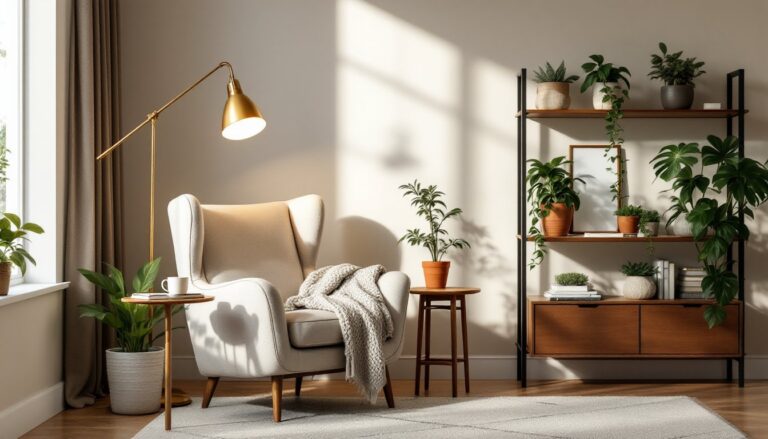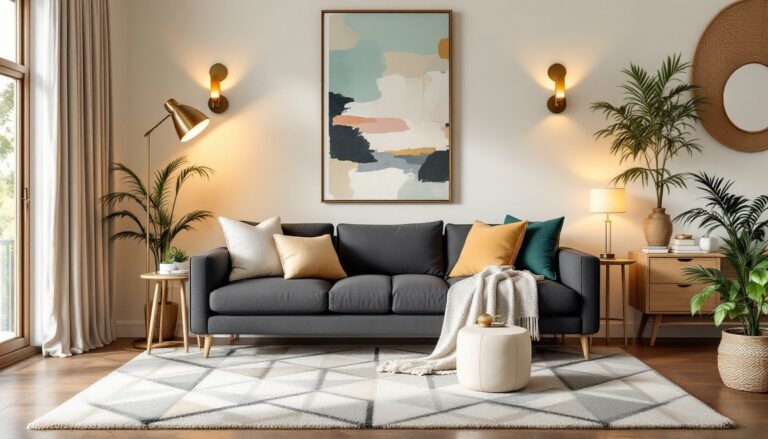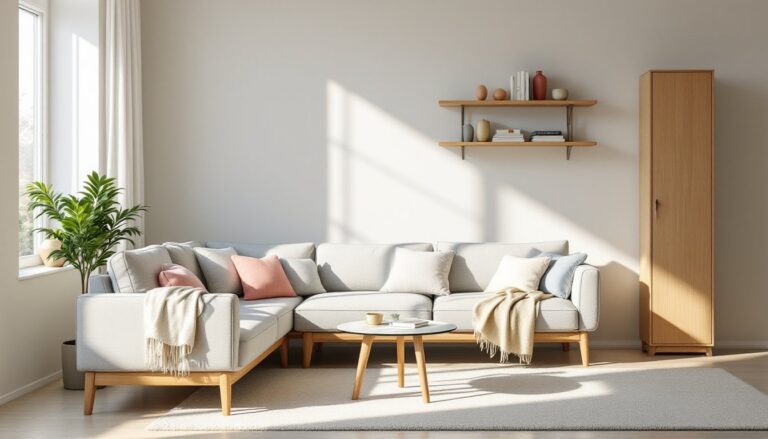
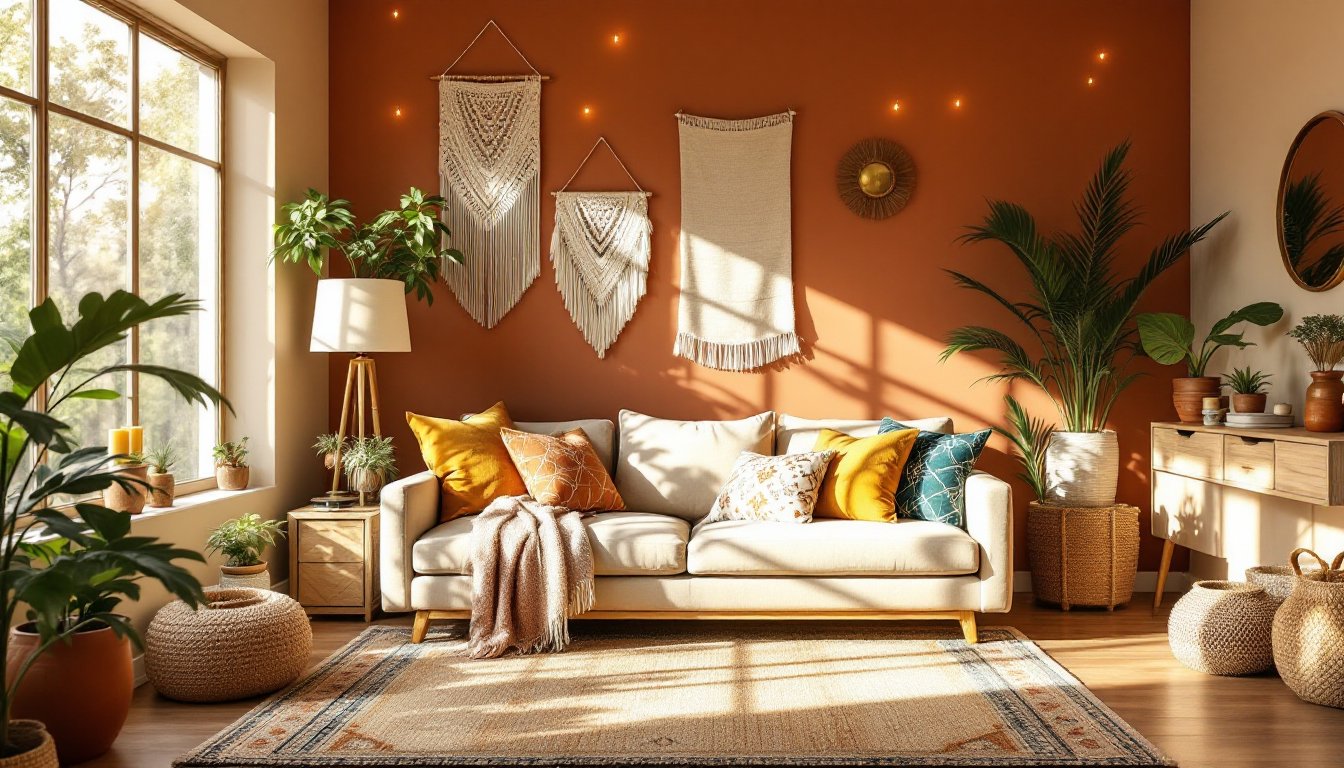
Bohemian style thrives on color, pattern, and an eclectic mix of textures that feel intentional rather than chaotic. A colorful boho living room becomes the heart of a home, a space where warm terracottas dance with jewel tones, where textiles layer freely, and where personality radiates from every corner. Unlike minimalist design, boho embraces abundance with purpose. This guide walks homeowners and DIY enthusiasts through building a vibrant boho living room that feels cohesive, inviting, and uniquely theirs, without requiring a designer’s budget or years of interior experience.
Table of Contents
ToggleKey Takeaways
- Colorful boho living room design balances 60% warm earth tones, 30% secondary colors, and 10% bold jewel tones to create visual depth without overwhelming the space.
- Textile layering—mixing area rugs, throws, and patterned cushions in natural fabrics like cotton and linen—forms the foundation for pattern and color in bohemian interiors.
- Warm white lighting (2700K color temperature) and layered lighting sources enhance boho palettes and create intimate, flattering ambiance that flatters earthy and jewel-toned color schemes.
- Paint accents, peel-and-stick wallpaper, and asymmetrical wall art offer flexible, reversible ways to introduce color and personality without committing to permanent changes.
- Living plants, vintage wooden furniture, woven baskets, and brass accessories complete the boho aesthetic by adding organic texture, collected character, and handmade authenticity.
Color Palettes That Define Bohemian Style
Layering Warm Earthy Tones With Bold Accents
Boho color starts with a foundation of warm, natural hues. Think terracotta, ochre, rust, warm browns, and sandy beige, these anchor a room and echo the earthy, traveled feel central to bohemian design. These tones mimic natural materials: clay, sand, wood, and earth itself.
From this base, layer in bold accents that pop without overwhelming. Deep teals, burnt orange, mustard yellow, and warm burgundy create focal points and visual interest. The key is proportion: use 60% warm earth tones, 30% secondary colors (lighter or mid-tone accents like cream or soft greens), and 10% bold jewel tones or vivid accents. This ratio keeps the room balanced and prevents it from feeling like a color explosion.
Warm lighting naturally enhances earthy palettes. Rooms with north-facing or limited natural light benefit from warm whites and peachy undertones on walls: south-facing rooms tolerate cooler, slightly grayed versions of earth tones without feeling drab. Paint a test section and observe it at different times of day before committing to a gallon.
Color samples from brands like Sherwin-Williams, Benjamin Moore, or Behr help visualize how a shade shifts under your specific lighting. Boho embraces imperfection, so slight color variation across walls isn’t a flaw, it’s character. If painting, use a flat or matte finish to mimic natural, worn textures rather than high-gloss.
Textiles as Your Foundation for Color and Pattern
Textiles carry boho’s color and pattern story. A layered approach, mixing throws, cushions, and area rugs in different fabrics, colors, and patterns, builds depth and visual movement. The goal isn’t matching sets: it’s curated variety.
Start with a large area rug (at least 8×10 feet for a living room) in a color or pattern that grounds the space. Moroccan patterns, tribal geometrics, or solid jewel tones all work. Layer a smaller accent rug on top to add texture and define seating zones. Jute, wool, and cotton blend well together: synthetic options like polypropylene cost less and clean more easily if the household has pets or young children.
Sofa throws and cushion covers introduce pattern without permanent commitment. A mix of solids, stripes, geometric prints, and botanical patterns prevents visual chaos while celebrating color. Natural fabrics, cotton, linen, and wool, feel authentic to boho: they wrinkle, soften, and age beautifully. If durability is a concern, linen blends or performance fabrics like Sunbrella hold color and resist fading better, especially in bright rooms.
Cushion fills matter too. Plump, overstuffed cushions read as more traditional: softer, slightly slouchy fills feel more relaxed and boho. Mix cushion heights and depths to create an informal, gathered aesthetic. Window treatments using fabric panels, macramé valances, or loose linen curtains echo textile layering while filtering light warmly.
Wall Treatments and Paint Ideas for Maximum Impact
Paint is the quickest, most reversible way to establish color in a boho space. An accent wall in warm terracotta, dusty sage, or even a soft, muted coral creates focus without painting the entire room. If the living room receives natural light, a slightly desaturated version of your chosen color prevents it from feeling too intense.
For a commitment-phobic approach, peel-and-stick wallpaper in geometric or botanical patterns lets homeowners test large-scale patterns risk-free. Brands now offer boho-friendly designs: intricate paisleys, abstract florals, or Moroccan tile prints. Prep the wall thoroughly, clean, smooth, and dry, for proper adhesion. Remove any outlet covers or switch plates beforehand, and apply the wallpaper in sections, smoothing air bubbles as you work.
Shiplap or textured wall finishes add visual interest without heavy pattern. Textured paint (a finish that includes aggregate particles) creates shadow and depth, mimicking naturally worn plaster or adobe. These finishes hide imperfections better than flat paint, which is practical in older homes or rooms with uneven surfaces.
Wall art and tapestries reinforce color without paint. Boho enthusiasts frequently hang macramé wall hangings, fabric tapestries, or woven wall baskets. Group these at varied heights to avoid a “gallery wall” feeling: lean into asymmetry. Homedit offers detailed design ideas for combining art, textiles, and wall treatments cohesively.
Decorative Accessories That Bring Personality to the Space
Accessories are where boho personality truly emerges. Planters in terracotta, ceramic, and woven baskets introduce organic color and texture. Living plants, pothos, monstera, fiddle leaf figs, or trailing philodendrons, add vibrant greens that soften other bold colors while improving air quality. Group planters of different heights and materials near windows or corners to create green focal points.
Wooden furniture with natural finishes (warm honey tones, walnut, or reclaimed wood) anchors the space and complements earthy color palettes. Look for pieces with carved details or handwoven rush or rattan surfaces. Vintage or second-hand finds often have better character than new furniture: thrift stores, estate sales, and online marketplaces yield authentic boho pieces at fraction of retail cost.
Mirrors enlarge the space visually and bounce light around the room. A large round mirror with a wooden or brass frame becomes a statement piece: smaller mirrors clustered asymmetrically add bohemian dynamism. MyDomaine’s interior design tips break down how mirrors and reflective surfaces shift color perception in different lighting.
Woven elements, baskets, poufs, wall hanging, and jute storage, echo the handmade, artisanal feel boho celebrates. Baskets corral blankets, pillows, or magazines while adding tactile, natural color. Brass, copper, or hammered metal accessories (side tables, planters, candleholders) warm up the palette and catch light beautifully. Avoid overly matching or coordinated accessories: boho thrives when pieces feel collected over time.
Lighting Solutions to Enhance Color and Ambiance
Lighting fundamentally shapes how colors read in a space. Warm white bulbs (2700K color temperature) complement boho palettes far better than cool whites or daylight (5000K+), which flatten warm earth tones and mute jewel-toned accents. Switch to warm-toned LED bulbs throughout the room for consistent, flattering light.
Layered lighting, combining ambient, task, and accent lighting, creates depth and mood. A ceiling fixture provides general brightness: table lamps on side tables add warmth and create intimate pools of light. Floor lamps with fabric shades (linen, jute, or patterned cloth) filter light softly and introduce additional color and pattern.
String lights, paper lanterns, or Edison bulb installations add boho charm and functional accent lighting. Fairy lights strung along shelves or in corners create a relaxed, gathered ambiance without requiring hardwired installation. These work especially well in rentals or temporary displays.
Candlelight enhances warmth and adds texture. Candles in brass or ceramic holders, grouped on low surfaces or shelves, cast flickering shadows that soften the room’s color. Beeswax or soy candles in natural scents (sandalwood, amber, clove) add sensory dimension beyond visual appeal. Domino explores affordable decorating ideas for combining mood lighting with budget constraints, many boho elements cost less when sourced thoughtfully rather than purchased from high-end retailers.
Conclusion
A colorful boho living room emerges not from purchasing a pre-designed set, but from intentional layering: earthy foundation tones, textile-driven pattern, and warm lighting that makes the space glow. The beauty of bohemian design is its flexibility, there’s no “wrong” combination if the layers feel cohesive and personal. Start with paint or textiles, add greenery, and let the room evolve. The result is a vibrant, livable space that feels collected, traveled, and genuinely yours.