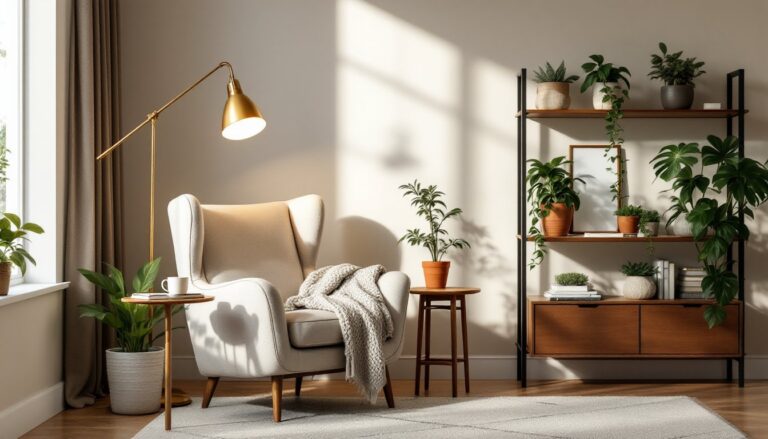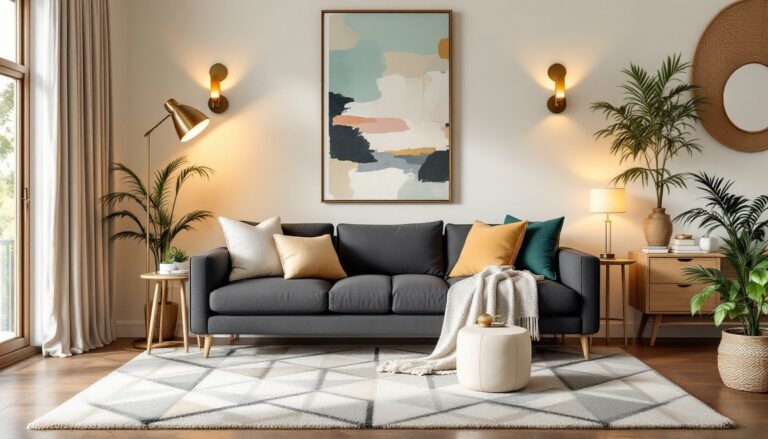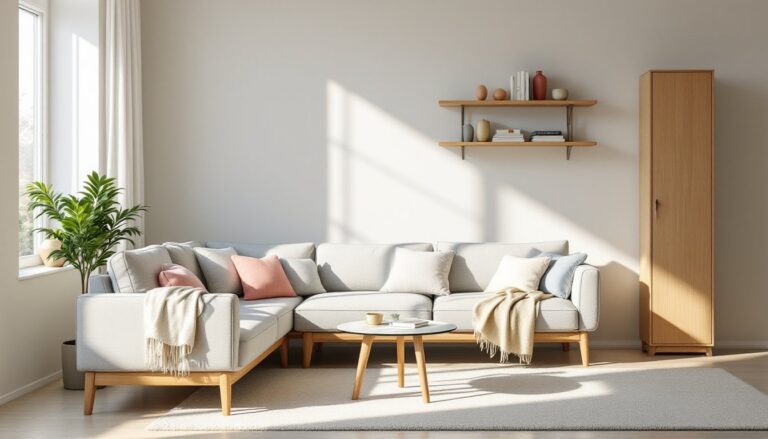
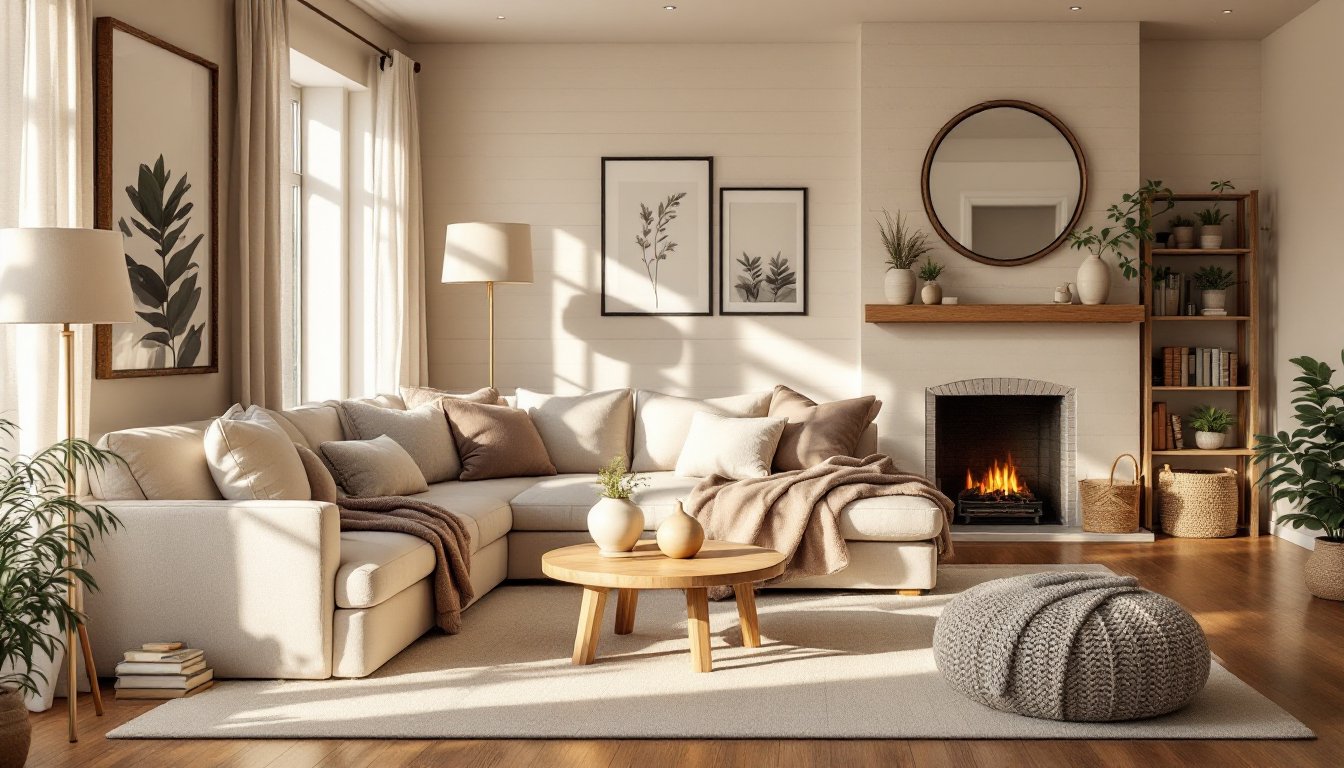
A neutral living room doesn’t have to feel sterile or cold. Done right, it becomes a sanctuary, a place where every element works together to wrap you in warmth without screaming for attention. The trick is understanding that “neutral” doesn’t mean bland. It means intentional. By layering textures, choosing the right palette, and lighting thoughtfully, homeowners can build a living room that’s both calming and deeply inviting. Whether you’re starting from scratch or refreshing an existing space, cozy neutral living room ideas offer flexibility, longevity, and timeless appeal that outlasts fleeting design trends.
Table of Contents
ToggleKey Takeaways
- Cozy neutral living room ideas rely on warm color palettes like soft taupe, creamy off-whites, and warm grays rather than stark beige and white, chosen to complement your room’s natural light direction.
- Layering diverse textures through linen, velvet, wool, and natural materials like jute and cork transforms a monochromatic space into an inviting sanctuary that feels warm and tactile.
- Strategic furniture arrangement that pulls seating inward and creates conversational zones—using sectionals, angled armchairs, and properly scaled pieces—drives coziness more effectively than floating furniture against walls.
- Layered lighting with warm 2700K bulbs, dimmer controls, and accent sources like sconces and string lights eliminates the sterile feel that poor lighting creates in neutral spaces.
- Thoughtful accessorizing with curated books, potted plants, artwork, and pillows in coordinating tones maintains neutrality while adding personality and preventing the space from feeling bland or impersonal.
Choose Your Neutral Palette Foundation
The foundation of any cozy neutral living room starts with color selection. Think beyond beige and white. Warm grays, soft taupes, creamy off-whites, and muted warm browns create depth while maintaining that calming neutral base. The key is choosing a palette with undertones that complement your natural light. North-facing rooms benefit from warmer neutrals with golden or peachy undertones, while south-facing spaces can handle cooler grays without feeling cold.
Start by selecting a primary wall color, this anchors the room. Then pick 2-3 secondary tones for accent walls, trim, or larger furniture pieces. Avoid stark whites paired with cool grays: instead, marry warm whites with warm grays or creamy off-whites with soft taupe. Paint coverage matters here: plan on 350–400 square feet per gallon of quality interior paint, and always apply primer on raw drywall or dramatic color transitions.
Consider finish too. Eggshell and satin finishes feel warmer and more tactile than flat, and they’re easier to clean when dust or spills happen. Matte and flat finishes flatten light, which can make neutrals feel less cozy in rooms with limited natural light.
Layer Textures for Depth and Comfort
A monochromatic palette demands texture to avoid looking one-dimensional. This is where cozy living rooms shine.
Mix Fabrics and Materials
The furniture and soft furnishings are where layering happens. Combine a linen sofa with a chunky knit throw, add velvet or linen pillow covers in varying tones, and incorporate natural materials like jute, wool, and linen. A wool area rug anchors seating and adds both softness underfoot and visual warmth. Linen drapes soften harsh window lines while allowing light through: heavier materials like linen-cotton blends provide better light control if privacy matters.
Wall textures reinforce coziness too. Shiplap, tongue-and-groove paneling, or textured drywall finishes (like orange peel or popcorn, though the latter can collect dust) add visual interest without color. Wallpaper in woven or grasscloth textures brings organic warmth. If painting is your choice, consider a matte finish that catches light differently than glossy surfaces and feels warmer to the touch.
Naturally, materials signal function. A leather sofa is durable and warm-toned but requires regular conditioning. Slipcovers on upholstered pieces add flexibility, you can swap them seasonally without reupholstering. Cork, exposed wood beams, and stone accents also layer in texture while anchoring the neutral theme.
Furniture Arrangement for Warmth
How furniture sits in the room determines whether it feels intimate or cavernous. A cozy layout pulls seating inward, creating conversational zones rather than pieces floating against walls.
Arrange seating to face each other or angle toward a focal point, a fireplace, large window, or coffee table. A sectional sofa often works better than separate pieces for generating coziness: it naturally encourages people to sit close. If budget or space constraints apply, a sofa plus two armchairs angled inward with a side table nearby achieves the same effect.
Scale matters too. An oversized sofa in a small room eats square footage and feels cramped, while a tiny loveseat in a large room leaves awkward gaps. Measure your space and furniture, account for doorways, traffic paths, and at least 18 inches from seating to a coffee table.
Avoid rigid, symmetrical layouts in neutral rooms: they can feel cold. Instead, create asymmetrical balance. One tall floor lamp paired with a bookshelf and a side table on one end, a sofa with pillows and a throw on the other. This arrangement feels lived-in and inviting. Rugs help define zones: a 8×10 or 9×12 rug under seating grounds the group and signals “gather here.” Resources like Homedit offer room layout templates and furniture size guides to help visualize your space.
Lighting Strategies to Enhance Coziness
Poor lighting tanks coziness faster than any color choice. Neutral rooms need layered lighting: ambient, task, and accent.
Ambient lighting sets the overall mood. A dimmer-controlled ceiling fixture or recessed lights on a dimmer allow you to adjust warmth throughout the day. Warm color temperature bulbs, 2700K (Kelvin) is the standard for living spaces, feel more inviting than cool 4000K or 5000K bulbs, which read institutional.
Task lighting handles reading or detail work. A floor lamp next to a chair, a desk lamp if you have a workspace, or table lamps flanking a sofa provide functional light where needed. These also add visual interest and break up wall surfaces.
Accent lighting creates atmosphere. String lights, wall sconces, or candles (real or battery-operated) add warmth without bright overhead glare. A small bookcase lit from above casts a warm glow and highlights textures. If wiring sconces requires running electrical conduit (and codes often mandate boxes and proper grounding), this might warrant professional help, never assume wiring into existing walls is a safe DIY task.
Bulb placement and shade color influence feel. Fabric shades diffuse light softly, while bare bulbs create glare. Warm linen, cream, or light taupe shades amplify coziness compared to white or gray. Smart bulbs let you adjust warmth and brightness with your phone, perfect for shifting mood from energetic morning to wind-down evening.
Accessorize Thoughtfully
Accessories anchor personality without derailing the neutral theme. The trick is restraint and intentionality, every piece should feel earned, not scattered.
Books, plants, and pottery add organic warmth. A curated bookshelf with spines in cream, tan, and muted green tones maintains the palette while inviting browsing. Potted plants (real or high-quality faux, depending on light and your patience) soften corners and purify air. Ceramic vases, woven baskets, and natural wood bowls ground the space in texture.
Artwork and mirrors expand visual space and reflect light. A large mirror opposite a window bounces natural light deeper into the room. Neutral art, abstract pieces in grays and taupes, black-and-white photography, or nature prints, reinforces cohesion. Avoid overstuffing walls: whitespace is part of design. According to recent home design trends, curated minimalism resonates more than maximalist gallery walls in 2026.
Throws and pillows layer coziness. A chunky knit throw draped over a sofa arm invites curling up. Pillow covers in linen, wool, cotton, and velvet in coordinating neutrals, cream, greige, taupe, soft gray, add depth without chaos. Keep a tonal palette: stick to 3-4 main tones, then vary by fabric and sheen.
Smell matters too. Scented candles (wood smoke, vanilla, linen) or a diffuser with subtle fragrance reinforce warmth. Avoid artificial air fresheners: natural options feel cozier and age better. Resources like Domino highlight affordable decorating tricks for layering accessories without blowing budget.
Conclusion
Creating a cozy neutral living room means balancing restraint with intention. Choose warm foundation colors, layer textures relentlessly, arrange furniture for conversation, light thoughtfully, and accessorize with purpose. Neutral doesn’t equal impersonal, it’s a canvas for warmth, comfort, and timeless style that works whether you’re hosting or simply unwinding at day’s end.