Dead corners in a living room are a missed opportunity. Whether it’s the awkward gap between a doorway and a wall or the space beside a window, these nooks feel neglected and waste valuable real estate in your home. Corner wall decor doesn’t have to mean expensive renovations or calling in a designer, homeowners and DIY enthusiasts can tackle these spaces with thoughtful, practical solutions. From floating shelves to strategic lighting, the right corner design breathes life into an otherwise forgettable area. This guide walks through seven creative approaches to transform those empty corners into functional, attractive focal points.
Table of Contents
ToggleKey Takeaways
- Corner wall decor transforms neglected spaces into functional focal points by using floating shelves, plants, artwork, and strategic lighting to improve room layout and visual flow.
- Floating shelves require precise installation with stud location, level marking, and brackets rated for at least 50–75 pounds to ensure stability and safety.
- Living room plants thrive in corners by creating natural boundaries; choose shade-tolerant species like ZZ plants or peace lilies for low-light corners and stack planters at varying heights for layered visual impact.
- Artwork placement in corners should be scaled up (24×36 inches or larger) and hung at eye level (around 60 inches from the floor) to feel intentional and create visual balance.
- Strategic corner lighting using arc floor lamps, wall sconces, or picture lights transforms dark spaces into inviting zones while highlighting décor elements and making rooms feel larger.
- Start with one corner design element and build gradually; even small, thoughtful choices in corner styling anchor a room’s overall aesthetic and make living rooms feel more complete.
Why Corner Spaces Matter In Living Room Design
Corners often feel like leftover space, forgotten areas where furniture can’t easily fit and décor feels like an afterthought. But corners are actually strategic assets in room layout and visual flow. A well-designed corner draws the eye upward, making ceilings feel taller and rooms more intentional. They also reduce the “bare wall” syndrome that makes spaces feel unfinished.
When you deliberately style a corner, you’re solving multiple problems at once: adding storage, improving lighting, creating a focal point, and making the room feel cohesive. The key is treating corner design as seriously as you’d treat a main wall. This isn’t decoration for decoration’s sake, it’s about function meeting intentionality. A living room corner can hold a small reading nook, display treasured objects, or simply fill visual space without clutter. Sources like Homedit emphasize how small design choices in corners can anchor a room’s overall aesthetic.
Floating Shelves And Display Units
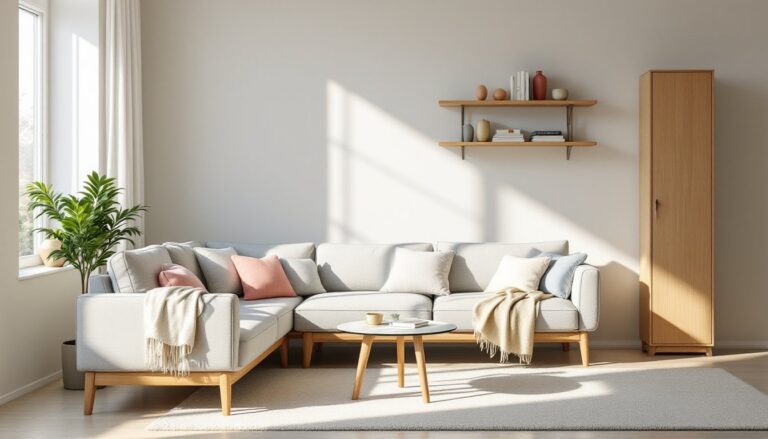
Floating shelves are the workhorse of corner décor. They provide storage, display opportunity, and style without taking up floor space, critical in living rooms where real estate matters. A corner is an ideal location for shelves because it naturally defines a boundary and makes the installation more stable.
Material choices matter. Most floating shelves are made from pine, oak, or engineered wood, each with different load capacities. Pine is lighter and easier to install but sags more under heavy loads. Engineered wood (plywood or MDF) is stable and affordable but less visually appealing when edges show. If weight isn’t a concern, solid wood looks best and lasts longest.
Installation Tips For Stability
Floating shelves only work if they’re installed correctly. This isn’t a shortcut installation, corners demand precision.
- Locate the studs. Use a stud finder to identify wall studs in your corner. Studs (typically 16 or 24 inches apart) are where you’ll anchor heavy-duty brackets. If your corner doesn’t align with a stud, you’ll need heavy-duty wall anchors rated for your shelf’s weight plus the items you’re storing.
- Use the right hardware. Floating shelf brackets come in various weight ratings. A 12-inch shelf holding books or décor objects should have brackets rated for at least 50–75 pounds. Cheap brackets fail, and falling shelves damage walls and anything below them. When in doubt, overbuy on bracket strength.
- Mark level lines. A torpedo level or laser level ensures shelves sit perfectly horizontal. Even a slight tilt makes objects slide and looks wrong to the eye.
- Drill pilot holes. Always drill pilot holes before driving screws into studs. This prevents splitting wood and gives screws better grip.
- Check your work. Before loading shelves, test them by pressing down firmly. Shelves shouldn’t wiggle, flex, or shift.
What you display on corner shelves matters too. Mix heights, textures, and object sizes, books standing upright, a small potted plant, framed photos, or decorative boxes create visual interest. Avoid cramming the shelf: negative space is part of the design.
Plants And Greenery Solutions
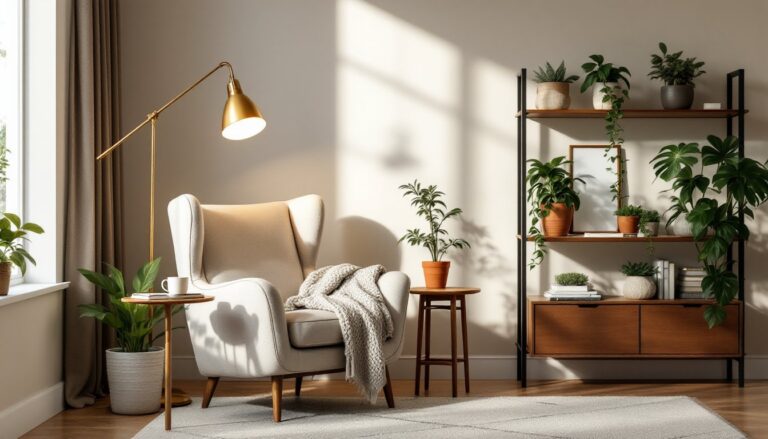
A corner with a plant (or several) instantly softens the room and adds life. Plants do what most décor can’t: they change, grow, and breathe energy into a static space. Corners are particularly effective for plants because they create natural boundaries and can handle the slightly lower light conditions that corners often have.
Choose plants based on your corner’s light. A corner near a window works for sun-loving plants like pothos, snake plants, or rubber figs. Corners away from natural light need shade-tolerant species: ZZ plants, cast iron plants, or peace lilies thrive in low light and are nearly impossible to kill. If you’re new to houseplants, start with something forgiving, don’t attempt a fiddle leaf fig in a dark corner expecting success.
Pot style shapes the look. Terracotta is rustic and breathable but heavy and prone to breaking. Ceramic pots offer style variety and weight distribution. Concrete or fiberglass planters work for modern spaces. Match pot size to plant size: a small pothos in a huge pot looks lost, while an overgrown plant in a tight pot stresses the specimen.
Stack planters at varying heights for visual impact. A tall floor plant, a mid-height shelf plant, and a trailing vine draped over an upper shelf create layered interest. This approach works whether you’re using a corner shelf or floor space. Just remember that plants need air circulation, don’t seal a corner so tightly that moisture gets trapped.
Artwork And Wall Hangings
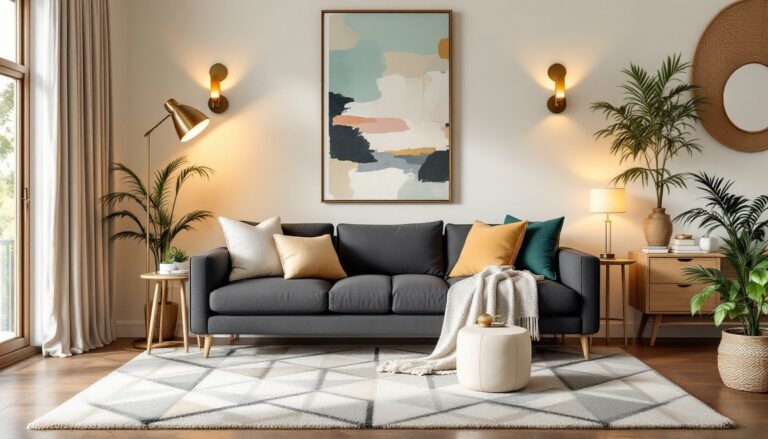
A well-chosen piece of artwork transforms a corner from overlooked to intentional. This doesn’t mean expensive gallery pieces, thoughtful selection of what you hang matters more than price tag.
Size is crucial in corner placement. A small, 8×10 frame floating in a corner looks lost. Scale up: consider 24×36-inch artwork or larger for most living rooms. If a single large piece feels wrong, create a gallery wall grouping that fills the corner more substantially. Mix frame styles (one modern, one rustic) if they share a color palette, intentional eclectic beats accidental.
Hanging height matters. The center of your artwork should sit at roughly 60 inches from the floor, eye level for most people when standing. This creates natural sightlines and feels balanced in a room. When hanging multiple pieces in a corner, maintain visual cohesion: consistent spacing, related themes, or a shared color story.
Wall-mounted shelving combined with artwork works well too. Hang a large print as a backdrop, then place floating shelves below or beside it. This layering approach creates depth. Domino frequently showcases how corner art installations, especially combining different media, anchor a room’s personality without requiring structural work.
Lighting Elements For Corner Ambiance
Corners are naturally darker. Strategic lighting transforms a corner from a shadowy edge into a functional, inviting zone. The right light also highlights other décor elements, a plant casts interesting shadows, a shelf display becomes visible in evening hours, and the corner stops feeling like dead space.
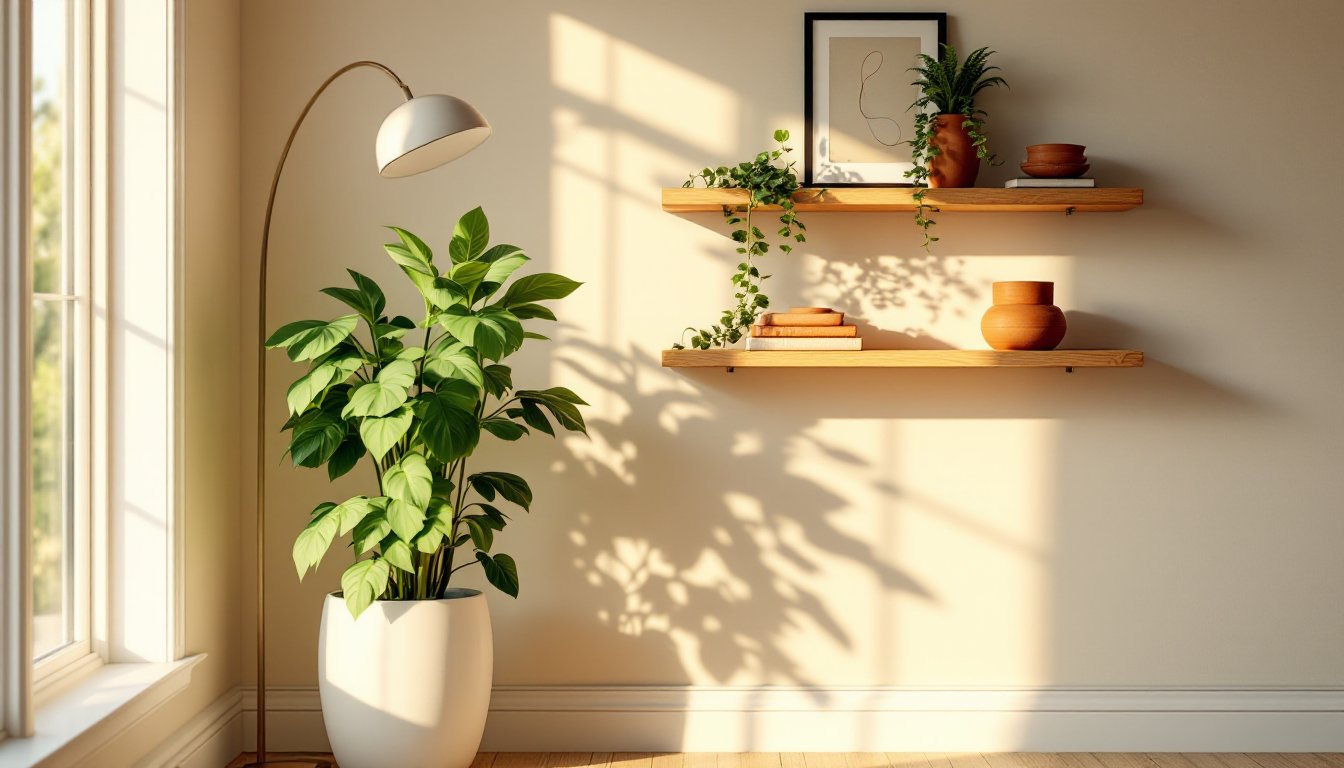
Floor lamps are the easiest solution. An arc floor lamp (one with a curved arm reaching into the corner) focuses light where you need it without wall mounting. Look for lamps with adjustable arms and dimmable bulbs (typically 60–100 watts equivalent LED). Floor lamps also work with plants, creating dramatic shadow patterns.
Wall sconces are more permanent but polished. A sconce pair flanking artwork or a single sconce above a small shelf adds sophistication. Sconce installation does require running wire through walls and potentially a permit if you’re adding circuits. If you’re uncomfortable with electrical work, hire a licensed electrician, this isn’t a place for guesswork.
Picture lights or accent lighting mounted on a shelf or above a frame highlight artwork and create a gallery feel. These are hardwired or can run on battery backup. Apartment Therapy frequently documents how layered corner lighting (combining ambient and accent light) makes small rooms feel larger and more polished.
Whatever lighting you choose, ensure it complements your corner’s function. A reading nook needs bright, direct light. A decorative corner can use softer, ambient lighting. Avoid harsh overhead lighting in corners, side lighting feels warmer and more intentional.
Conclusion
Corner wall décor isn’t complicated, but it does require intentional choices. Whether you’re installing shelves for storage, positioning plants for life, hanging art for visual interest, or adding lighting for ambiance, each approach solves real problems while making your living room feel more complete. Start with one element, a shelf or a plant, and build from there. Most corners improve dramatically with just a bit of thought and effort. Your living room corners deserve the same care as any featured wall.