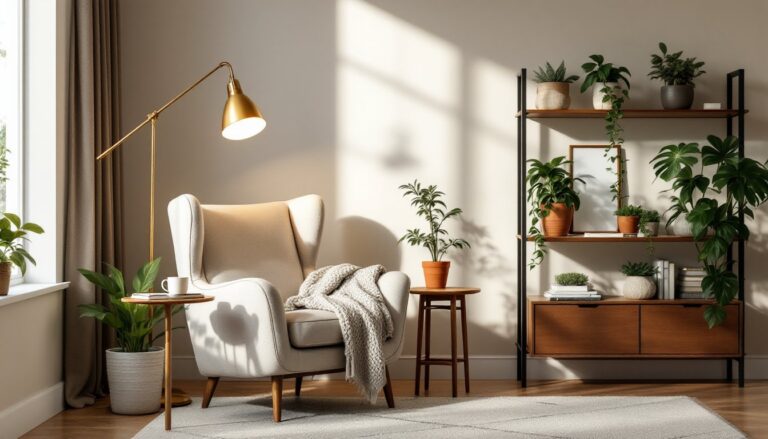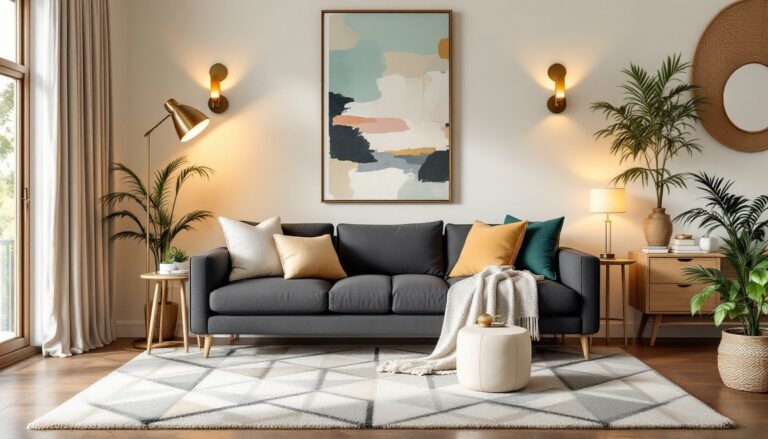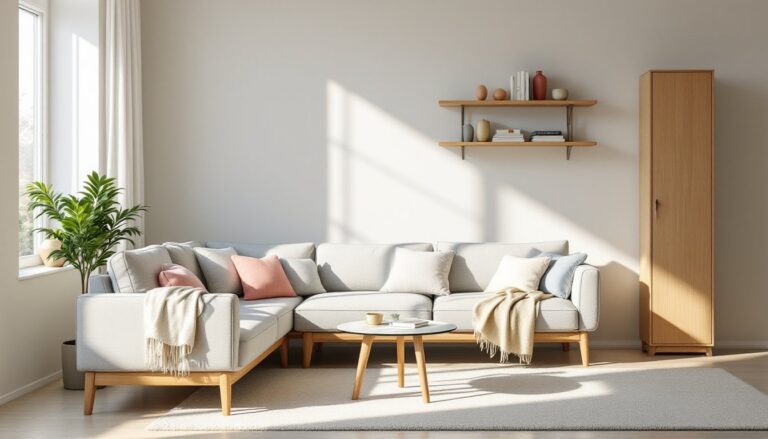

Black living rooms have moved beyond dramatic hotel lobbies and moody nightclubs, they’re becoming a go-to choice for homeowners who want sophistication without sacrificing warmth. The key is understanding that black isn’t a void: it’s a rich, versatile backdrop that demands intentional pairing with light, texture, and strategic color to work in a lived-in space. A well-executed black living room feels inviting, not cave-like, and it actually takes more planning than a safe neutral palette. This guide breaks down the practical steps for pulling off black living room decor that feels both polished and genuinely comfortable.
Table of Contents
ToggleKey Takeaways
- Black living room decor works best when paired intentionally with light, texture, and strategic accent colors to create sophistication without sacrificing warmth.
- Adequate lighting is critical in black rooms—layer multiple light sources at different heights using warm 3000K bulbs and dimmable fixtures to prevent the space from feeling gloomy.
- Choose furniture with contrasting colors like light gray or warm taupe, visible legs or high backs, and varied finishes (glossy leather vs. matte linen) to add visual definition and prevent monotony.
- Layer textiles in a 50-30-20 color ratio (neutrals, secondary accent, pop color) and mix textures like linen, velvet, and wool to make black rooms feel inviting and inhabited.
- Use light-colored or natural-wood trim, pale ceilings, light area rugs, and patterned accent walls to break up solid black and create visual rhythm that prevents an oppressive, cave-like feel.
Why Black Works as a Living Room Color
Black absorbs light and attention, so it demands confidence in execution. When done right, it creates visual depth and makes adjacent colors pop, think of it as turning your walls into a jewelry box for your furnishings and art. Black also ages gracefully: it hides dust, fingerprints, and minor wall damage better than pastels or whites, which matters if you have kids, pets, or simply don’t want to repaint every two years.
From a design standpoint, black is a power player. It grounds a room, adds gravitas, and signals intentional style rather than default decorating. Many designers use it as an anchor in eclectic rooms where multiple patterns and finishes might otherwise clash. A black wall or dark trim can tie together vintage pieces, modern furniture, and varied textures into a cohesive whole. The catch: you can’t coast with black. Every other element, lighting, textiles, and accent colors, must earn its place, which means fewer cheap shortcuts and more thoughtful choices overall.
Balancing Black With Light and Brightness
The most common black living room mistake is underestimating how much ambient light you’ll need. Black walls and dark furnishings swallow light: without sufficient brightness, a room collapses into gloom. Start by assessing your natural light: a north-facing room with one small window needs much more intervention than a south-facing room with glass doors.
For rooms with limited natural light, aim for pale or white ceilings to bounce whatever light enters back into the space. This single choice prevents the “tunnel” feeling. Pair black walls with light-colored or natural-wood trim, and consider a light area rug to visually separate zones and prevent the entire floor from disappearing. The interplay between dark and light creates rhythm and prevents visual fatigue.
If your room gets strong sunlight, you have more flexibility. White or cream-colored linen curtains will soften harsh light while maintaining that sophisticated contrast. Avoid heavy blackout curtains paired with black walls unless you’re specifically creating a media room or sleeping space. The goal is balance, not a cave. According to modern black room and decor ideas, layering in pale accent walls or light millwork prevents an all-black envelope from feeling oppressive.
Furniture Selection for Black Living Rooms
Furniture color in a black room should contrast or provide textural interest, not disappear into the background. A charcoal sofa against black walls reads as murky: a light gray or warm taupe sofa creates definition and a place for the eye to land. Medium-tone woods, walnut, oak, or even reclaimed pieces, add warmth and prevent the room from feeling sterile. Chrome, brass, or matte-black metal frames work when paired with upholstery in cream, gray, or jewel tones.
Scale matters more in dark rooms because furniture silhouettes aren’t as visually obvious. A low-profile sofa can vanish: a sofa with visible legs, arms, or a high back creates architectural interest and spatial clarity. Mix furniture styles deliberately: pair a mid-century modern credenza with a traditional wingback chair if the fabrics and finishes connect. In black rooms, restraint in quantity is especially important, fewer, larger pieces beat a scattered arrangement of small tables and chairs.
When selecting pieces, think about how light reflects off materials. Matte finishes (linen, wool, woven fabrics) absorb light and feel grounded: glossy or metallic finishes (leather, polished wood, mirrored surfaces) bounce light and add dynamism. A leather sofa can feel luxury in a black room: the same style in matte cotton might feel heavy. Browse contemporary furniture and design trends for inspiration on pairing pieces that work together even though varied styles.
Textiles, Textures, and Layering
Textiles save black rooms from feeling cold or flat. Layer throw pillows in linen, wool, velvet, and tactile blends, varying texture creates visual interest and makes spaces feel inhabited, not staged. Aim for a mix of colors: keep 50% in neutrals (cream, gray, oatmeal), 30% in a secondary accent color (terracotta, navy, emerald), and 20% in a pop color (gold, coral, or jewel tone). This ratio prevents the room from becoming a rainbow while avoiding monotony.
Rugs anchor furniture groupings and define zones in open-plan spaces. In a black room, a light rug (cream, soft gray, or natural jute) becomes a visual anchor that prevents the floor from vanishing. A patterned rug in black, white, and one accent color can tie together multiple elements. Layer smaller area rugs for depth, a jute base with a kilim or vintage pattern on top adds dimension and softness underfoot.
Wall hangings, curtains, and throws should vary in finish and weight. A linen curtain, a knit throw, a tapestry, and a woven basket all contribute different textures. Velvet and leather read as luxury: linen and cotton feel casual. Mix them to prevent the room from leaning too formal or too relaxed. Textiles also dampen sound in dark rooms, the more fabric layers, the less echoey the space.
Lighting Solutions That Elevate Your Space
Lighting is non-negotiable in black rooms. Plan for multiple light sources at different heights: overhead, task (table lamps), and accent (wall sconces, floor lamps). A single ceiling fixture won’t cut it, no matter how powerful. Aim for dimmable bulbs so you can adjust brightness for different times of day and activities. Smart bulbs in 3000K (warm white) color temperature feel inviting: cooler 4000K or 5000K light can feel clinical against dark walls.
Wall sconces flanking a mirror or artwork add dimension and reduce shadows. Brass or gold-toned fixtures warm the space: chrome or brushed steel lean modern. LED strip lighting hidden behind floating shelves or under baseboards provides indirect illumination that bounces off lighter surfaces without creating glare. A statement floor lamp with a fabric shade (not plastic) adds visual interest while providing practical light for reading or relaxing.
If your budget allows, add recessed lighting to highlight artwork, architectural details, or seating areas. Even one or two well-placed fixtures prevent dark corners and create depth. Picture lights above artwork or a bias lighting setup behind a wall-mounted TV make black walls feel dynamic rather than flat. The goal is visibility plus ambiance, you should be able to move safely, see what you’re doing, and feel the room’s intended atmosphere.
Accent Colors and Wall Treatments
Pure black on all four walls is bold but requires exceptional confidence. A softer approach: paint one accent wall in deep charcoal or navy, keeping the rest neutral. Or use black on walls and paint trim, baseboards, and crown molding in crisp white or soft cream, this classic treatment adds architectural interest and lightness.
If solid black feels too intense, consider textured finishes. Black matte paint (not glossy, gloss shows dust and imperfections) reads as deeper than satin, giving you subtle variation. Wallpaper in black with subtle patterns (damask, geometric, or grasscloth texture) adds visual depth and works beautifully in traditional, eclectic, or modern spaces. Shiplap or paneling painted black creates texture without additional wallcovering.
Accent colors should tie to your furniture and textile palette. If your pillows feature terracotta and sage, a small gallery wall with those tones grounds the scheme. Artwork in frames (natural wood, brass, or matte black) stands out against black walls: choose pieces with lighter backgrounds or mixed media that feel intentional. A few carefully placed decorative objects, a white ceramic vessel, a brass plant stand, a wooden sculpture, prevent monotony. Books (especially those with colorful spines), plants in light planters, and collected objects add personality without clutter. Design inspiration across modern home decor and room tours shows how successful black rooms layer accent colors and textures deliberately.
Conclusion
Black living rooms aren’t for the timid, but they’re absolutely achievable for anyone willing to think through lighting, balance, and layering. The payoff is a space that feels intentional, sophisticated, and uniquely yours, not a generic showroom or an unintentional dungeon. Start with strong natural light assessment, commit to a lighting plan, and let textiles and accent colors do the heavy lifting. Black is versatile enough to support eclectic style, minimalist restraint, or moody glamour. The trick is treating it as a beginning, not an ending.