A corner fireplace is a homeowner’s secret weapon for maximizing living room potential. Instead of fighting the layout, smart furniture arrangement and styling turn that corner into a powerful focal point that anchors the entire room. This guide walks you through measuring your space, selecting seating configurations, and layering comfort and storage around your corner fireplace, all without the designer price tag. Whether you’re working with a gas insert or traditional wood-burning fireplace, these practical strategies help you create a living room that functions beautifully and feels intentionally arranged.
Table of Contents
ToggleKey Takeaways
- Measure your corner fireplace space accurately before furniture selection—note dimensions, seating distance (8–12 feet from the opening), and traffic flow to create a functional foundation for your corner fireplace living room layout.
- An L-shaped sectional or paired seating angled at 45 degrees toward the fireplace creates an intimate gathering zone while maintaining open sightlines and accommodating varying group sizes.
- Style your fireplace surround with a neutral or accent wall color, proportional mantel displays, and flanking shelving or side tables to establish it as the room’s intentional focal point.
- Layer comfort through area rugs, throw blankets, textured pillows, and multi-source lighting (ambient, task, and accent) to transform your corner fireplace zone into a warm, lived-in gathering space.
- Maintain 18–24 inches of clearance around the fireplace for heat circulation and add woven storage baskets or built-in bookshelves to solve dual storage and aesthetic needs without cluttering the space.
Assessing Your Corner Fireplace Space
Before moving furniture or buying anything new, measure your actual dimensions. Pull out a tape measure, not a guess, and note the fireplace’s width, depth, and height, plus the distance from the hearth to the far wall and adjacent walls. This is your foundation.
Measuring And Planning Your Layout
Start by mapping the room on paper or using a simple smartphone app. Mark your fireplace location, note any windows, doors, HVAC vents, and electrical outlets. Identify how many linear feet of wall space you have available for seating. The golden rule: your main seating should face the fireplace or angle toward it. Most living rooms work best with a seating distance of 8 to 12 feet from the fireplace opening, allowing people to enjoy warmth and views without craning necks.
Check whether your fireplace is a load-bearing structural element (typically older, wood-burning units in corner locations). Modern gas inserts or electric corner units have more flexibility. If you’re unsure about the fireplace’s construction or weight capacity for mounting shelves, consult your home’s original documentation or ask a contractor before anchoring anything directly above the unit.
Note the room’s traffic flow. A corner fireplace in one living room might have a doorway nearby: in another, it’s tucked away from the main entry. Plan your furniture to avoid creating a maze. Direct sightlines from entry points should allow visitors to see seating and the fireplace without obstruction.
Creating A Functional Furniture Arrangement
Your furniture layout determines whether the room feels cozy or cramped. Corner fireplaces offer unique advantages: they free up wall space that a centered fireplace would consume, and they create a natural “gathered” seating area.
Choosing The Right Seating Configuration
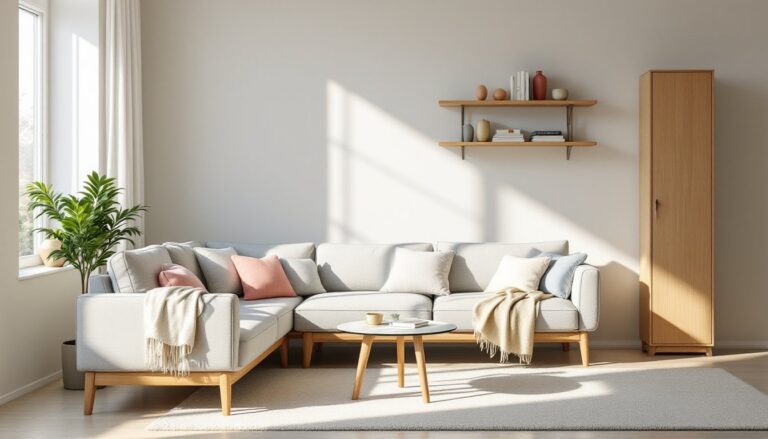
For most corner fireplace living rooms, an L-shaped sofa arrangement works exceptionally well. Position the longer side of an L-shaped sectional perpendicular to one wall adjacent to the fireplace, and let the shorter return face into the room. This creates an intimate zone while keeping sightlines open. If you don’t have a sectional, two smaller sofas or a sofa paired with a loveseat achieves similar results.
Add two or three accent chairs, a pair of upholstered wingbacks or modern lounge chairs, angled to face the fireplace at roughly 45-degree angles. This approach creates multiple vantage points and accommodates varying group sizes without a furniture shuffle. Avoid dense clusters: leave 12 to 18 inches between pieces for traffic flow and sight lines.
Consider conversation distance. If seating pieces are too far apart, people feel isolated: too close, and the room feels cramped. Aim for 4 to 6 feet between the primary sofa and opposing chairs or loveseat. A coffee table anchors the arrangement and keeps scale proportional. Platforms like Homedit offer visual room layout examples showing how different seating geometries influence spatial flow.
Don’t underestimate angled furniture placement. A sofa or chair rotated 15 to 20 degrees toward the fireplace, rather than aligned flush to a wall, creates visual interest and psychology of gathering without eating floor space. This is especially effective in rectangular rooms where corner positioning might otherwise feel oddly remote.
Styling Your Corner Fireplace As A Room Focal Point
The fireplace itself is your starting point for the room’s color palette and aesthetic. Whether you’re working with white-painted brick, a natural stone surround, or a sleek modern facade, that material sets your tone.
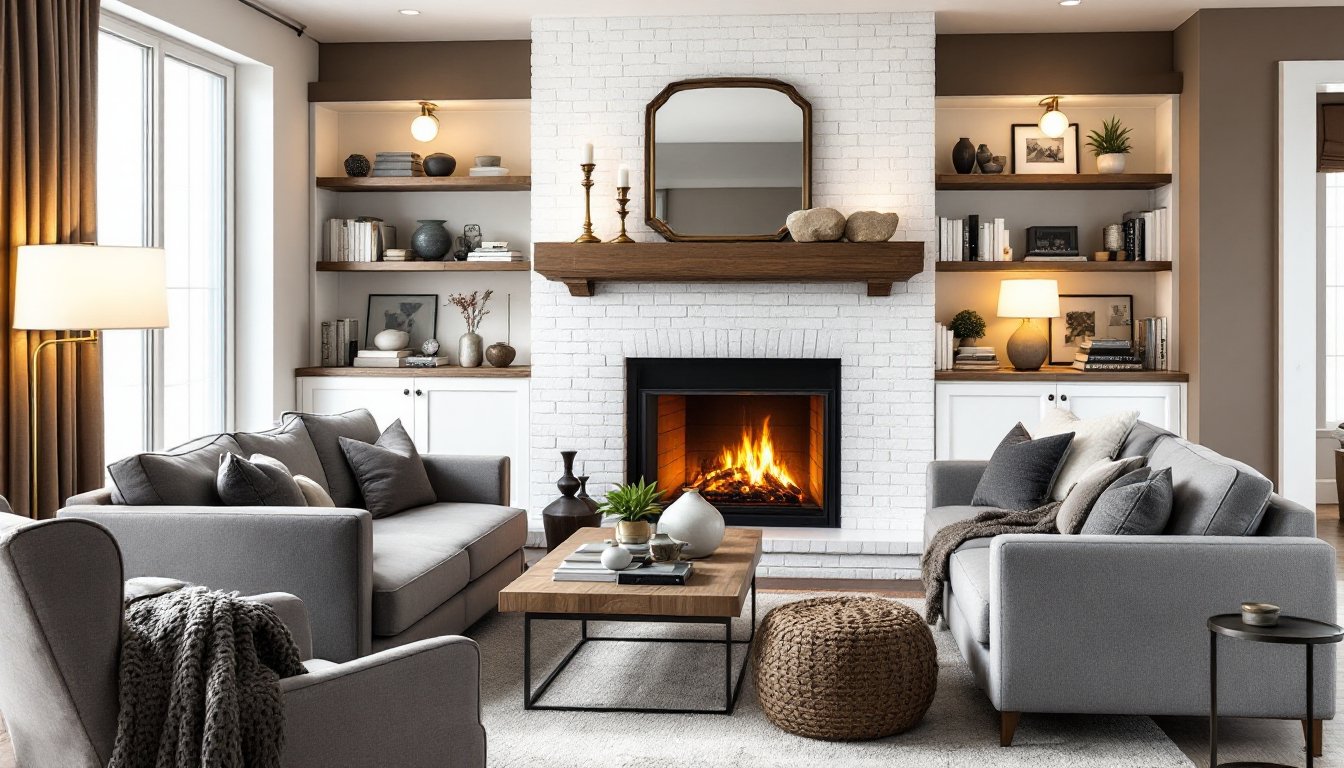
Mantels and the wall above the fireplace are prime real estate for layering. Keep the mantel display proportional: don’t jam every shelf item onto it. A large mirror, two matching candlesticks, and a single art piece or sculptural object feel collected, not cluttered. The mirror bounces light and makes the corner feel larger, a practical bonus.
Around the sides of the fireplace, consider adding open shelving or a built-in credenza. This solves a dual problem: it provides styling surface and storage, and it visually “embraces” the fireplace, making it feel intentional rather than inserted. If you’re not ready for built-ins, matching side tables flanking the fireplace (one on each side if space permits) work just as well.
Wall color around the fireplace matters. A neutral backdrop, soft white, warm gray, or pale taupe, makes the fireplace and mantel styling pop. If you prefer color, a deeper tone (think muted sage, charcoal, or warm terracotta) creates intimacy and draws focus. Paint the surround or accent wall behind the fireplace itself, or simply paint the wall at the fireplace’s back. Test a large swatch first: firelight and daylight affect how color reads over time.
For inspiration on how designers balance fireplace styling with broader room aesthetics, resources like Homify showcase corner fireplace living rooms globally, offering ideas for mantel styling, surround treatments, and furniture pairing that inspire without overwhelming.
Enhancing Storage And Comfort Around Your Fireplace
A corner fireplace naturally creates a nook, use it for purposeful storage and comfort layers. Built-in bookshelves flanking the fireplace add warmth, personality, and function. Books, decorative boxes, and collected objects create visual rhythm and absorb sound, which benefits acoustics in a fireplace-focused seating zone.
If built-ins aren’t feasible, console tables or low credenzas in the corner area hold decorative baskets, board games, throw blankets, and remotes. Woven baskets in natural fibers hide clutter while adding texture that complements most fireplace surrounds. Ensure whatever storage you place doesn’t block heat circulation if you use the fireplace regularly: maintain at least 18 to 24 inches clearance from the fireplace opening.
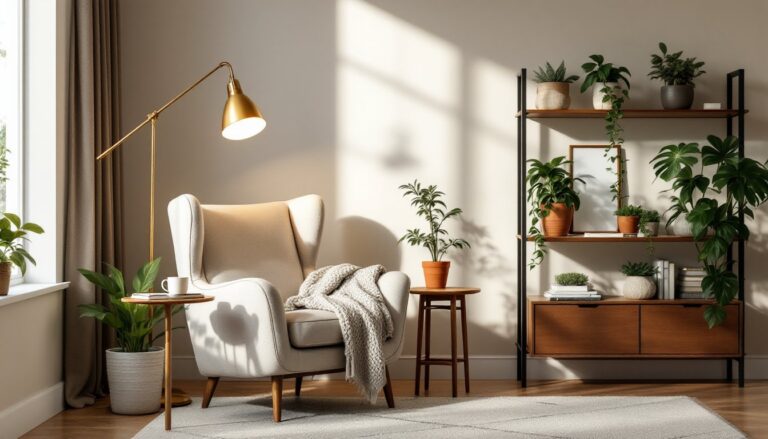
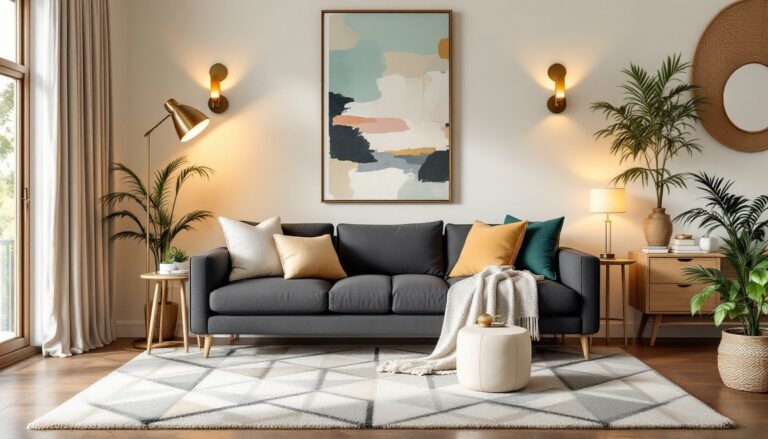
Layering comfort makes the space feel lived-in. Drape a chunky knit throw over the arm of your main sofa: stack two or three throw pillows at one end, mixing textures, linen, wool, faux fur, or velvet, to catch light and add dimension. A soft area rug anchors the seating group and defines the gathering zone. Choose a rug large enough that at least the front legs of your main seating pieces sit on it: this visually grounds the arrangement.
Lighting is critical in a corner fireplace zone. The fireplace itself provides ambient warmth, but you’ll need task lighting for reading and accent lighting for evening ambiance. A floor lamp positioned behind a secondary chair, paired with two matching table lamps on side tables, creates layered light and prevents shadows. Dimmer switches, if already installed, let you dial the ambiance from bright and functional to intimate and warm.
For more detailed guidance on how interior design principles apply to corner furniture arrangements, Freshome provides comprehensive articles linking room layout to comfort, circulation, and aesthetic cohesion.
Conclusion
Arranging a corner fireplace living room is about respecting the fireplace as your anchor while letting furniture flow naturally around it. Measure first, choose a seating configuration that creates conversation and sightlines toward the fireplace, style the mantel and surround with intention, and layer comfort through rugs, throws, and lighting. The result is a room that feels warm, gathered, and purposefully designed, all without hiring a designer.