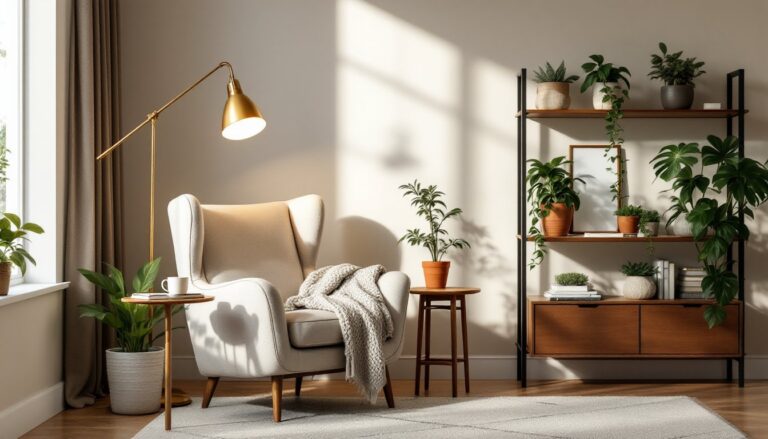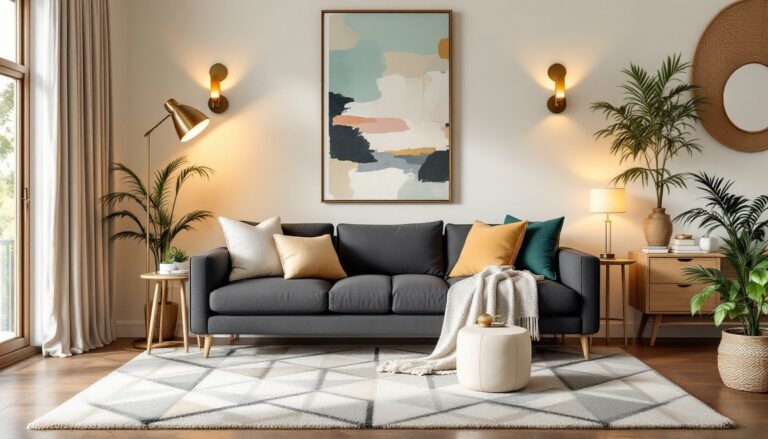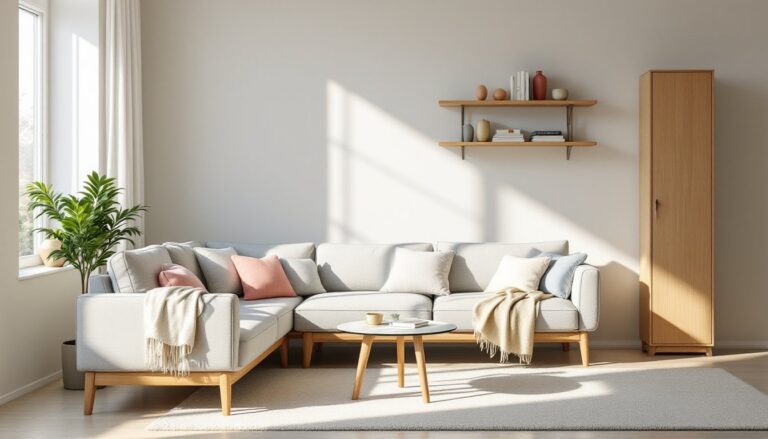
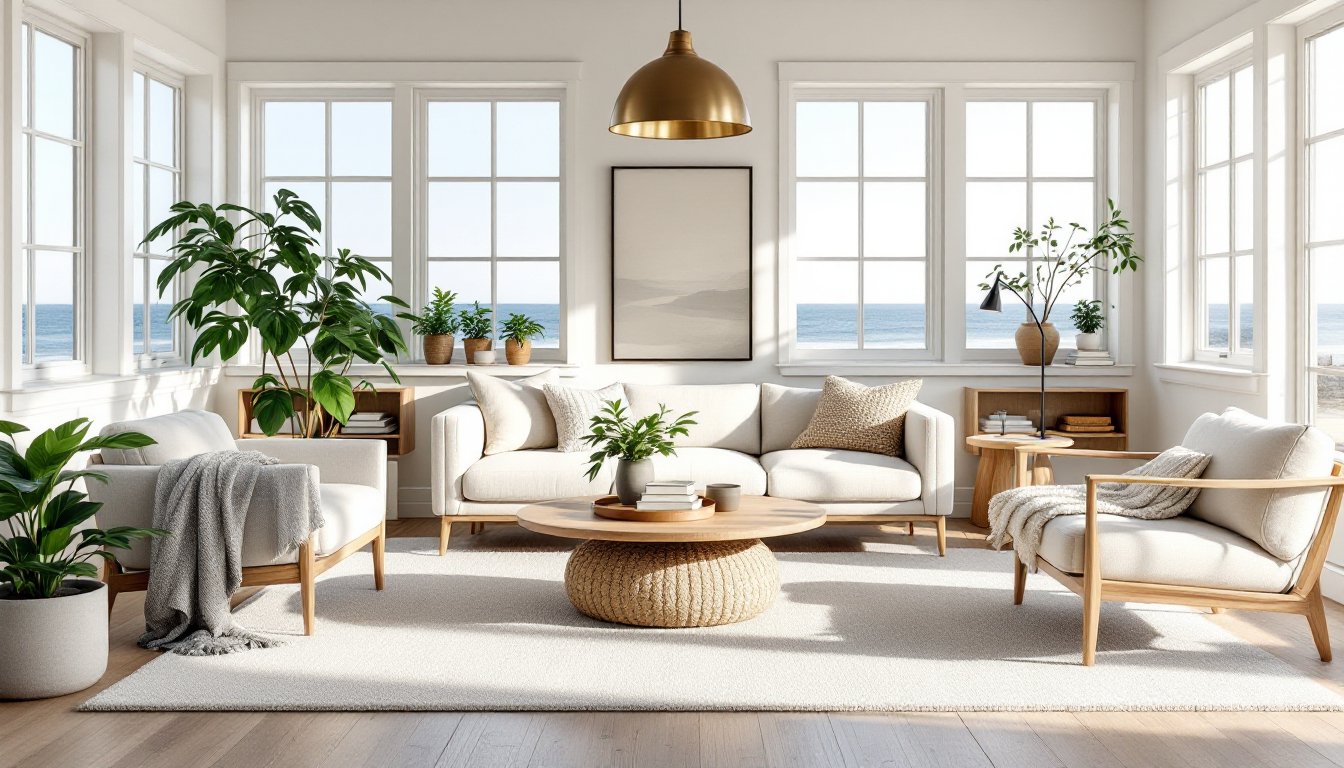
Coastal modern is a design movement that merges breezy, relaxed beach aesthetics with clean-lined contemporary furniture and minimalist principles. Unlike traditional coastal décor that leans heavily on anchor motifs and weathered driftwood, coastal modern strips away clutter and focuses on honest materials, open space, and a calm color palette inspired by sand, sea, and sky. Whether you live near the ocean or landlocked, you can build a living room that captures that sense of seaside calm without feeling themed or overdone. This guide walks through how to plan, furnish, and outfit your space with DIY-friendly touches that work within your budget.
Table of Contents
ToggleKey Takeaways
- Coastal modern living room design merges breezy beach aesthetics with clean-lined contemporary furniture and minimalist principles, avoiding nautical clichés in favor of architectural honesty.
- A successful color palette for coastal modern uses 60–70% neutral base colors (whites, warm grays, taupe), 20–30% muted accent colors (soft blues or sage), and 10% smaller pops to maintain calm restraint.
- Choose furniture with slim wooden legs and low profiles in natural materials like linen or light wood rather than matching suites, and arrange pieces to face each other for an intimate, intentional conversation area.
- Layer three types of lighting (ambient, task, and accent) using brushed brass or matte finishes, and keep windows unobstructed or covered with sheer linen to maximize natural brightness.
- Coastal modern rooms gain coziness through natural textures—linens, wool rugs, jute poufs, and raw wood—without clutter, letting negative space and meaningful objects define the design.
- Budget-friendly DIY transformations include painting walls, refurbishing thrift-store furniture, installing floating shelves, and sewing custom pillow covers to achieve coastal modern style at a fraction of designer costs.
What Defines Coastal Modern Style
Key Characteristics and Color Palettes
Coastal modern ditches the nautical clichés in favor of architectural honesty and restraint. The style borrows from Scandinavian design (think: light woods, functional pieces, plenty of negative space) and blends it with materials that reference water and sand without being literal about it. You’ll see neutral palettes dominated by soft whites, warm grays, taupe, and natural wood tones, often complemented by a single accent color in muted blues, soft greens, or warm terracotta.
Where traditional coastal design piles on the accessories, coastal modern keeps surfaces clean and purposeful. Pieces are usually low-profile, with slim legs that let light pass underneath. Hardware is minimal or hidden. Patterns, when they appear, are geometric or organic (like linen textures) rather than tropical or nautical. The mood is calm and collected, not playful or kitschy.
Color-wise, think of the palette this way: your base colors (walls, large furniture) should occupy about 60–70% of the room and stick to neutrals. A secondary accent color (perhaps a muted blue or soft sage) takes up 20–30%, usually in mid-sized pieces like an accent chair or area rug. The remaining 10% is reserved for smaller pops, throw pillows, artwork, or plants, in that accent hue or complementary naturals. This restraint is what keeps coastal modern from looking like a vacation rental.
Lighting plays a huge role in how a coastal modern room reads. Spaces that feature contemporary interior design principles often rely on layered light and honest material finishes to create depth and warmth without ornament.
Choosing The Right Furniture And Layout
Selecting Pieces That Balance Comfort and Style
Furniture selection is where many DIYers stumble. Resist the urge to buy a matching “coastal” suite from a big-box store, those sets often feel dated within a few years. Instead, start with one or two anchor pieces in natural materials: a white or light gray sofa with clean lines, or a low-slung sectional in a neutral linen blend. Look for pieces with slim wooden legs rather than skirted bases: this keeps the room feeling open and airy.
Pair your sofa with a reclaimed or light-finished wooden coffee table. Dimensions matter here, aim for a table that’s roughly two-thirds the length of your sofa and positioned about 18 inches from it. Avoid glass tops in coastal modern: they feel cold. Weathered white oak, whitewashed pine, or natural teak all work beautifully and age well.
For seating, a pair of upholstered accent chairs (in the same neutral as the sofa or in a coordinating linen) flanking the coffee table creates balance. Avoid recliners or oversized club chairs: they tend to dominate small-to-mid-sized rooms. Woven poufs or low ottomans double as footrests and extra seating without visual weight.
Layout matters as much as individual pieces. Arrange furniture to face each other and the view (window, TV, or focal point) rather than pushing everything against walls. This creates an intimate conversation area that feels intentional. Leave at least 2 feet of walkway on all sides for a sense of openness. If your room is narrow, float the sofa out from the wall and anchor it with a console table behind, this trick creates definition without closing off the space. Resources like Dwell showcase how thoughtful furniture placement enhances both modern and coastal aesthetics.
Lighting And Texture For A Breezy Atmosphere
Start with natural light as your baseline. Coastal modern thrives in brightness, so keep windows uncovered or use sheer, neutral-colored linen curtains or roller shades that diffuse light without blocking it. Avoid heavy drapes or patterned treatments, they visually weigh down the room.
For artificial lighting, layer three types: ambient (overhead or flush-mount fixtures), task (reading lamps beside seating), and accent (to highlight artwork or architectural features). Choose fixtures in brushed brass, matte black, or natural wood rather than chrome or polished finishes. Simple pendant lights or a low-profile linear fixture work well for ambient light. Avoid ornate chandeliers or anything with excessive crystal or fringe.
Texture compensates for the restrained color palette. This is where coastal modern gets its cozy factor. Layer in natural linens (sofa, curtains, throw blankets), wool rugs, jute poufs, and raw wood. Run your hand across a boucle throw pillow or a chunky knit blanket, these tactile elements make the room feel lived-in and warm, not sterile. Bare walls should be balanced with woven wall hangings, natural fiber pendant lights, or simple wooden shelving in light finishes.
An area rug anchors the seating area and adds softness underfoot. Natural fiber rugs (jute, sisal, sea grass) in neutral tones work beautifully, but so do low-pile wool rugs in whites, grays, or soft blues. Aim for a rug that extends at least 2 feet beyond the sofa on all sides: if your space is tight, position it so the front legs of the sofa rest on it. This visual trick grounds the furniture and makes the room feel intentional.
Incorporating Natural Elements and Decor
Natural elements are the backbone of coastal modern, but the key is restraint. Live plants bring oxygen and softness without kitsch. Pothos, snake plants, or fiddle leaf figs in simple ceramic or concrete planters work well. Group plants in odd numbers (three or five) at varying heights on a windowsill or corner shelf rather than scattering them around: this feels intentional, not cluttered. Water plants weekly and let them breathe: a struggling plant reads as neglectful, not rustic.
Wood appears throughout the room, shelving, side tables, picture frames. Choose pieces in natural or light finishes rather than heavily stained or painted woods. Reclaimed or driftwood-look wood can work, but avoid anything too “distressed” or overdone. The wood should feel honest, not styled.
Stone, concrete, and ceramics round out the material palette. A concrete fireplace surround, stone side table, or ceramic vases in whites and warm grays all feel at home in coastal modern. Avoid shiny or polished stone: matte finishes feel calmer and more contemporary.
Wall art should be minimal and meaningful. One large abstract piece in muted tones, or a gallery wall of three to five small framed prints in matching frames (natural wood or simple metal) works better than a cluttered collection. Black-and-white photography of coastlines or architectural details feels natural here: bold, colorful art can work if it ties to your accent color.
Decorative objects should earn their space. A stack of linen-bound books, a small wooden bowl holding shells or stones, or a single sculptural object on a shelf all work. Avoid filling shelves or surfaces. Negative space is part of the design. Examples of this minimalist approach appear frequently in 9 Coastal Living Room Ideas, which showcase restraint and material quality over decoration density.
Budget-Friendly DIY Tips For Your Transformation
You don’t need a designer budget to pull off coastal modern. Start by assessing what you already own: any neutral-upholstered furniture, wooden pieces, or neutral-toned artwork can anchor the room. Paint is your cheapest major refresh. A coat of soft white, warm gray, or pale sand-colored paint on walls can transform a room instantly. Choose a finish in matte or eggshell, not glossy, which feels too modern and cold. Most rooms need two coats: expect to spend roughly $30–$60 per gallon depending on quality and region. One gallon typically covers 400 square feet at two coats, so measure your walls before buying.
DIY window treatments save money and add personality. Instead of buying expensive curtains, find neutral linen or cotton fabric and hang simple rod pockets or use a tension rod with clip rings. A trip to a fabric store runs $15–$40 for material, and installation takes an afternoon with a drill and hardware you likely own.
Refurbishing thrift-store finds stretches your budget. A solid wooden side table from a secondhand shop can be sanded and stained or painted in two to three hours with a orbital sander (rental cost: $15–$25/day), 80- and 120-grit sandpaper ($5–$10), and wood stain or paint ($10–$20). Thrift-store linen curtains or throw blankets dyed or bleached to your accent color add custom texture without the markup.
DIY shelving is straightforward. Floating shelves from a hardware store ($30–$60 per shelf kit) installed on studs with an appropriate wall anchor provide display space for plants, books, or small objects. Use a stud finder and drill to mount them, a 30-minute project that adds architectural interest. Avoid over-styling: three to five meaningful items per shelf looks curated, not cluttered.
Lighting upgrades don’t have to be expensive. Swapping out a builder-grade ceiling fixture for a simple flush-mount pendant ($40–$100) or installing plug-in pendant lights ($25–$60 each) over side tables requires minimal wiring and works in rental homes too. Clip-on brass reading lamps ($20–$50) beside seating add task light without major installation.
For textiles, skip designer throw pillows. Source linen, wool, or cotton pillow covers online or at fabric stores ($5–$15 each), fill them with budget pillow inserts ($3–$8 each), and arrange them in groups of two or three on your sofa and chairs. A hand-knit or machine-washable throw blanket in natural fiber ($20–$50) draped over an armrest adds warmth and texture without very costly.