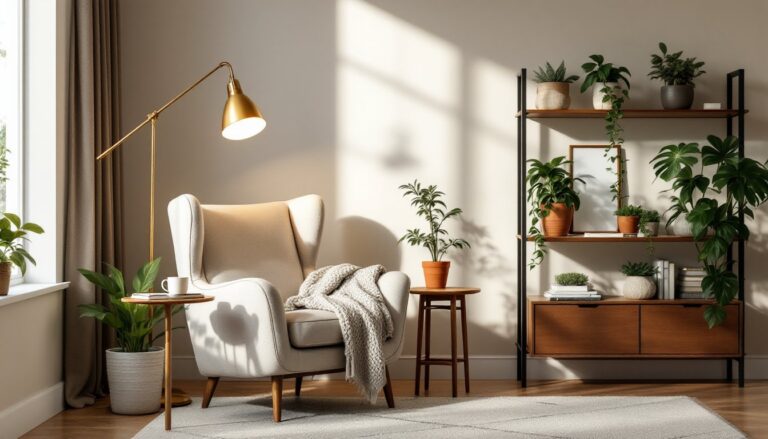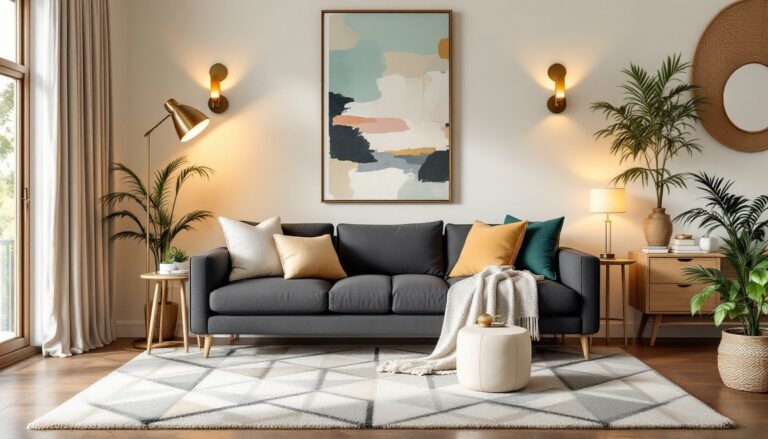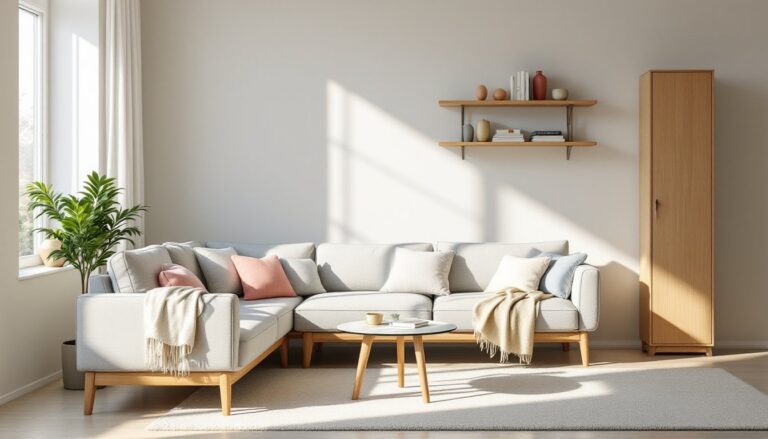
A well-designed bookshelf does more than hold your library, it anchors a living room’s style and function. Whether you’re a book collector, a minimalist with a few treasured reads, or someone seeking smart storage solutions, the right bookshelf setup transforms how your space feels and functions. From floating shelves that suggest weightlessness to built-in cabinetry that commands an entire wall, there’s a solution for every living room layout, budget, and aesthetic. This guide walks through practical bookshelf ideas that work for small apartments, sprawling family rooms, and everything in between.
Table of Contents
ToggleKey Takeaways
- Bookshelf ideas for living rooms range from floating shelves and corner installations to statement walls and built-in cabinetry, each offering distinct advantages for different spaces and budgets.
- Floating shelves create a modern, minimalist look by concealing brackets and require secure anchoring into wall studs rated for 25–50 pounds per shelf with proper spacing of 12–18 inches apart.
- Corner bookshelves maximize unused space in small apartments and studios by fitting snugly into 90-degree angles, allowing you to display 30+ books without consuming valuable floor space.
- Statement wall installations and built-in bookshelves serve as visual anchors and permanent style investments that elevate perceived home value while requiring careful load distribution and professional installation.
- Effective bookshelf styling balances books with negative space using the 60–70% fill rule, combines heights and textures, and incorporates decorative accents like plants and accent lighting to create an intentional, curated look.
Floating Shelves For A Modern Look
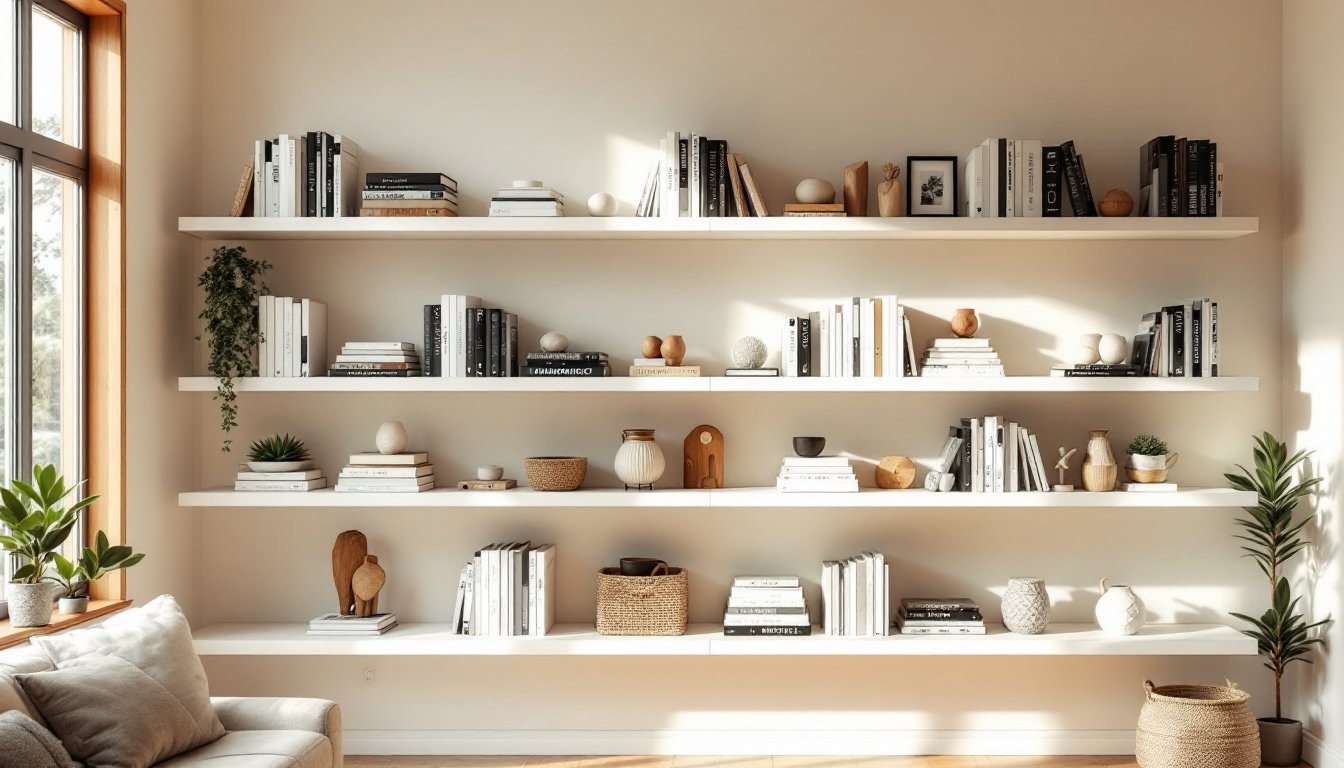
Floating shelves deliver clean lines and the illusion of open space, making them ideal for contemporary and minimalist living rooms. Unlike traditional wall-mounted shelves with visible brackets, floating shelves appear to hover because brackets are concealed inside the shelf body or mounted flush to the wall.
Installation basics: Floating shelves demand solid wall anchoring. You’ll need to locate wall studs with a stud finder and secure heavy-duty brackets (typically rated for 25–50 pounds per shelf, depending on the bracket and wall type). Drywall alone won’t support meaningful weight: always anchor into studs or use heavy-duty toggle bolts if studs don’t align with your desired shelf placement. Expect the shelf to sit 12–15 inches from the wall for typical bracket designs.
Wear safety glasses when drilling, and use a level to ensure shelves are perfectly horizontal, visible drift looks sloppy. Material options range from reclaimed wood and live-edge slabs for rustic warmth to painted MDF for budget-friendly color. Depth typically runs 10–14 inches: anything deeper becomes harder to style and can feel top-heavy.
Pro tip: Space floating shelves 12–18 inches apart vertically to avoid a crowded appearance and allow room for larger books and decorative objects.
Corner Bookshelves To Maximize Small Spaces
Corners often sit unused in living rooms, yet they offer valuable square footage for storage. Corner bookshelves, whether triangular, L-shaped, or angled, tuck into awkward spaces and pull the eye inward, making small rooms feel more intentional.
Corner shelf styles: Triangular floating shelves fit snugly into 90-degree corners, while L-shaped units span two walls simultaneously. You can also install two perpendicular floating shelves that meet in the corner, creating an engaging focal point. Tall, narrow corner units (sometimes called corner ladder shelves) work well in tight quarters where floor space is at a premium.
The real advantage? Corners don’t compete with seating or traffic flow. A corner bookshelf lets you display 30+ books, plants, or artwork without anchoring furniture into the main room. This approach is especially valuable in studios or open-plan living spaces where every inch counts. Interior design platforms like MyDomaine showcase corner shelving that maximizes small apartments without sacrificing style.
When anchoring corner shelves, ensure both walls are solid and locate studs on each side. Use a torpedo level (a short, straight edge for checking plumb in tight spaces) to guarantee precision in the awkward corner geometry.
Statement Wall Installations With Ladder Or Open Shelving
A statement bookshelf wall declares personality and becomes a conversation anchor. This approach uses a full or partial wall, often behind a sofa, flanking a fireplace, or spanning the entire space behind furniture, to create visual drama.
Open shelving walls consist of multiple floating shelves or a grid of shelves at varying heights, displaying books spine-out and face-forward alongside sculptures, framed photos, and woven baskets. Load-bearing is crucial here: each shelf row multiplies weight, so anchor every shelf directly into studs or use rated toggle bolts rated for the combined weight. A typical row of 4–5 books per shelf on a 36-inch-wide shelf adds 15–25 pounds: stack two or three rows and you’re pushing 50–75 pounds on a single wall section.
Ladder shelves lean against the wall at an angle, creating a narrow profile that works in tighter rooms or as a room divider. They’re not weight-rated like wall-mounted shelves, so reserve them for lighter displays: a few books, plants, and lightweight decor. The angled design naturally suggests a curated, styled look rather than comprehensive storage.
Homedit features statement bookshelf designs that balance visual weight and negative space, key principles for pulling off this look without overwhelming the room. Avoid uniform spacing and color: mix book spines, wood tones, and white space to keep the wall dynamic.
Built-In Bookcase Designs For Permanent Style
Built-in bookshelves are a long-term investment that elevates a living room’s perceived quality and permanence. Unlike freestanding units, built-ins are custom-fitted to your wall, floor-to-ceiling or partial height, and are usually finished to match trim and millwork.
What’s involved: Built-in installation spans from simple (a carpenter frames shelves and adds trim) to complex (electrical cutouts, cabinet doors, lighting, and custom finishes). A basic open shelving built-in typically runs $1,500–$4,000 depending on materials, finish, and local labor rates: custom painted or stained designs cost more. Many homeowners hire a carpenter or millworker rather than DIY, especially for floor-to-ceiling units that must be perfectly plumb and securely anchored to the house framing.
If you’re confident with framing, you’ll need to locate studs, run horizontal nailers (blocking between studs to anchor shelf supports), add vertical supports called stiles, and install shelves using shelf pins or dados (grooves routed into the stiles). Building codes vary by jurisdiction, but load-bearing shelves over 36 inches wide may require structural review, particularly if you’re anchoring to anything other than studs.
Built-ins solve clutter permanently and adapt to your home’s architecture. They also increase perceived home value, making them worthwhile for owners planning to stay put. Budget for professional help on electrical work or if your walls are not straightforward: guessing on framing can result in shelves that sag or look uneven.
Styling Your Shelves: Organization And Decor Tips
A beautiful bookshelf needs both function and form. The strongest designs balance books, negative space, and carefully chosen decorative accents.
Creating Visual Balance With Height And Spacing
Varied heights create rhythm and prevent a monotonous, cluttered look. Group books by height: tall books on one shelf segment, medium-height on another, and smaller books stacked horizontally to break up vertical lines. Introduce negative space, empty shelf area, to let the eye rest and prevent the impression of overcrowding. A rule of thumb: fill 60–70% of available shelf space with books and objects: leave 30–40% empty. This proportional restraint looks intentional rather than sparse.
When stacking books horizontally, lean them at slight angles or add a bookend (a weighted object that holds books upright without visible support) to create visual interest and prevent books from cascading forward. Ensure shelves are level during installation: even a 1/16-inch slope becomes visibly obvious once books rest on them.
Combining Books With Decorative Accents
Intersperse books with objects: small plants in ceramic pots, framed family photos, vintage finds, or sculptural pieces. A common mistake is treating bookshelves as purely functional storage: instead, think of them as a curated gallery that reflects your interests and taste. Rotate book spines to show colors and designs: alternate face-forward displays (showing book covers) with spine-out arrangements for visual variety.
Color coordination matters without being rigid. You don’t need a rainbow gradient, but grouping warm and cool tones, warm woods and earth-tone book covers on one section, cool whites and blues on another, creates cohesion. Apartment Therapy offers styling guidance for small-space shelving that applies equally to living room displays: layer textures (smooth ceramics next to rough textiles), vary heights, and include living elements like trailing plants to soften hard architectural lines.
A small accent light (a puck light or picture frame light mounted above or below a shelf) illuminates displays beautifully and adds warmth, especially in dimly lit living rooms.