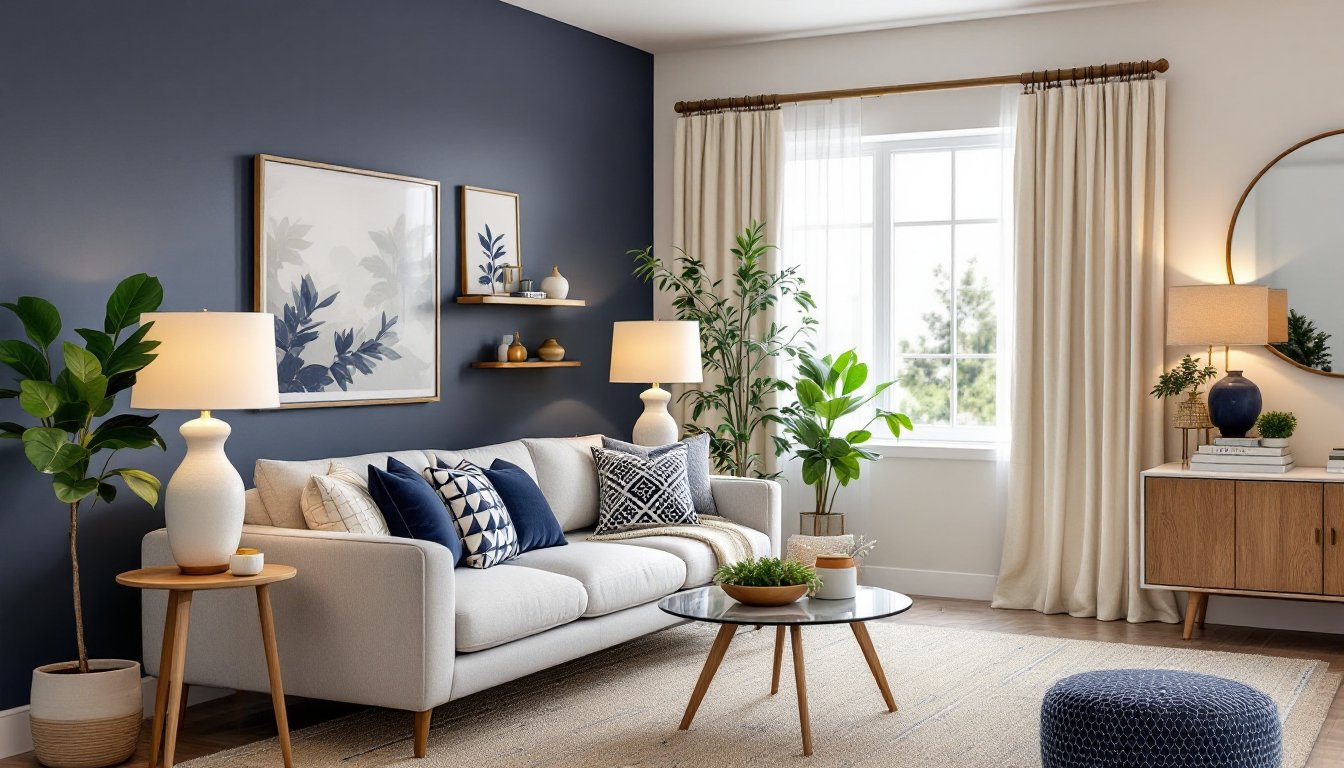
Dark blue is having a major moment in 2026, and for good reason. It’s bold enough to make a statement without feeling cold or institutional, and it works across multiple design styles, from modern minimalist to traditional to eclectic. A dark blue living room creates an intimate, grounded atmosphere that encourages relaxation while projecting sophistication. Unlike trendy pastels or neutrals that fade from favor, dark blue has lasting appeal. Whether you’re painting a single accent wall or committing to a full room, a dark blue living room transforms your space into somewhere you actually want to spend time. This guide walks you through choosing the right shade, balancing light and color, and layering in furnishings to create a cohesive, inviting space.
Table of Contents
ToggleKey Takeaways
- Dark blue living room ideas dominate 2026 design trends because they create an intimate, sophisticated atmosphere that works across multiple styles while maintaining lasting appeal beyond fleeting trends.
- Choose the right dark blue shade by understanding undertones (warm navy versus cool steel-toned), testing samples on poster board under your existing lighting for 48 hours before committing to a full room paint.
- Layered lighting is essential in a dark blue living room to prevent a cave-like feel—combine ambient ceiling fixtures, task lamps (60–75W warm white LED), and accent lighting like wall sconces or LED strips.
- Balance dark blue walls with light neutrals on trim, ceilings, and large furniture pieces, and limit accent colors to 15–20% of the room using jewel tones and earth tones that complement the color.
- Layer textiles like cream area rugs, mixed-texture throw pillows (4–6 on a standard sofa), and heavy linen curtains to add warmth and invitation, plus choose durable, stain-resistant fabrics for practical living.
- Finish your dark blue living room with greenery (large ficus, pothos vines, or low-maintenance plants) and natural elements like live-edge shelves or stone accents to create visual contrast and ground the sophisticated space.
Choosing The Right Shade Of Dark Blue
Not all dark blues are created equal, and picking the wrong one will derail your entire design. The key is understanding undertones. Some dark blues lean toward navy with warm undertones (think charcoal-tinged), while others are cooler and more steel-toned. A few popular options: Benjamin Moore’s Hale Navy skews warm and approachable: Sherwin-Williams’ Naval is a true classic navy that works everywhere: Farrow & Ball’s Stiffkey Blue leans almost greenish and suits traditional spaces. Before committing, order paint samples and apply 2-3 coats to poster board, then tape them to your walls. Live with them for 48 hours in different times of day, north-facing rooms will appear cooler, while south-facing ones warm the undertones. This single step prevents the heartbreak of painting an entire room only to hate it. Take photos under your existing lighting to compare later. If you have cool-toned natural light (north-facing windows), slightly warmer dark blues prevent the room from feeling cave-like. Warm light (south or west-facing) can balance cooler navy without making it oppressive.
Balancing Dark Blue With Lighting
Dark colors absorb light, so lighting strategy is non-negotiable in a dark blue living room. Without it, you’ll end up with a bunker, not a sanctuary. Aim for layered lighting: ambient (overhead), task (reading lamps, sconces), and accent (under shelving, wall washers). Start with a quality ceiling fixture, recessed lights work, but consider a flush-mount pendant or chandelier if you have the ceiling height: they add visual interest and distribute light more evenly. Add table lamps on side tables: a 60–75 watt equivalent LED bulb (warm white, 2700K color temperature) in each lamp prevents harsh shadows. Wall sconces flanking a mirror above a console bounce light around the room. For accent lighting, LED strip lights under floating shelves or behind artwork create depth without adding heat. If your room gets limited natural light, consider installing a larger window or adding a glass door to an adjacent room. If that’s not possible, keep window treatments minimal, sheer curtains over opaque drapes let you control privacy while maximizing daylight. One often-overlooked trick: place a decorative mirror strategically opposite a window to reflect natural light and amplify it throughout the space.
Using Accent Colors And Neutrals
A room painted entirely in dark blue can feel overwhelming if you’re not careful. Neutrals, warm whites, creams, soft grays, and warm beiges, are your safety net. Use them on trim, ceilings, and large upholstered pieces. This prevents color fatigue and lets the dark blue breathe. For accent colors, think about the mood you want: warm golds and terracotta add richness and coziness: soft greens create a nature-inspired calm: deep burgundy or forest green layer moody sophistication. Keep accent colors to 15–20% of the room, a throw pillow, artwork, a bookshelf’s interior backing, or a single accent chair. Avoid muddy or unsaturated colors that will clash: dark blue pairs beautifully with jewel tones and earth tones, less so with washed-out pastels. If you’re unsure, browse interior design inspiration on MyDomaine or similar resources for real examples of dark blue rooms paired with accents that appeal to you. Patterns also add visual interest without overwhelming the space, a geometric rug in cream and dark blue, striped throw pillows, or textured wallpaper on a single accent wall all work. Stick to 2–3 patterns max, and use shared colors to tie them together.
Furniture And Layout Ideas
Furniture selection in a dark blue room should prioritize proportion and weight distribution. Large, dark furniture can feel heavy: offset it with a mix of lighter pieces and open shelving. A cream or light gray sofa anchors the room and prevents it from feeling claustrophobic. If you want a darker sofa, pair it with a light coffee table (glass, natural wood, or white) to create visual breathing room. Arrange seating to encourage conversation: a sofa facing a pair of chairs creates an intimate setup, while a sectional works if your room is large enough (over 200 sq. ft.) without dominating the space. Position furniture at least 18 inches from the walls: floating the seating makes the room feel larger and more intentional. A console table behind the sofa or a bar cart tucked into a corner adds function and breaks up empty wall space. When selecting wood tones, warm woods (oak, cherry) complement dark blue beautifully: cold metal (chrome, steel) works too, though brass and warm metals add luxury. Avoid matching all your wood tones, varying them keeps the room from feeling like a set. Browse furniture arrangement ideas on House Beautiful to see how other designers balance dark blue with furnishings.
Textiles And Soft Furnishings
Textiles are where a dark blue room becomes truly inviting. Layer different fabrics to add warmth and tactile appeal. Start with a quality area rug, a natural fiber like jute or wool in cream, tan, or a subtle pattern grounds the furniture and softens the darkness underfoot. Add throw pillows in a mix of textures: linen, velvet, wool, cotton. Aim for 4–6 pillows on a standard sofa, mixing solid colors (creams, soft grays, accent colors) with subtle patterns. A chunky knit throw draped over the sofa arm invites people to get cozy. For curtains, heavy linen or wool blends in cream or warm white provide insulation and a polished look: avoid thin synthetics that cheapen the space. If you prefer a lighter aesthetic, sheer white panels over an opaque roller shade give you privacy without visual weight. Upholstered chairs in warm tones or subtle checks add personality without clashing. One practical note: stick to washable fabrics or those with stain-resistant treatments, especially for high-traffic pieces like sofas and throw pillows. A dark blue room hides dust better than lighter spaces, but it also shows lint and pet hair more obviously, so durable fabrics are worth the investment.
Adding Greenery And Natural Elements
Green plants are the final piece that ties a dark blue room together. Greenery adds life, improves air quality, and creates visual contrast. Large ficus or fiddle leaf fig plants (12–18 inches tall) in corners fill empty spaces without blocking sightlines. Pothos or philodendron vines trailing from shelves add softness to rigid lines. Smaller tabletop plants in ceramic or concrete pots cluster on console tables or bookshelves. Stick to forgiving plants if you’re not a natural green thumb: snake plants, pothos, and ZZ plants tolerate neglect and low light better than finicky orchids. The pot color matters, cream, white, terracotta, or natural concrete blend with dark blue: avoid bright colors unless they tie to your accent color scheme. Beyond plants, incorporate natural wood elements: a live-edge shelf, woven baskets for storage, a jute pouf, or a natural linen throw. These soften the blue and add warmth. Stone accents, a slate bookend, a marble side table, or pebbles in a decorative bowl, ground the space and echo nature. A final layer: add artwork featuring natural scenes, botanicals, or abstract pieces in your accent colors. Art breaks up large wall expanses and gives your eye somewhere to rest in the visual rhythm of the room.
Conclusion
A dark blue living room isn’t intimidating, it’s intentional. Success comes from choosing a shade that suits your light, balancing the darkness with layered lighting and light neutrals, and weaving in textures, greenery, and thoughtful furniture placement. Take your time with samples, live with the color, and adjust as you go. The effort pays off in a sophisticated, personal space where you genuinely want to spend time.