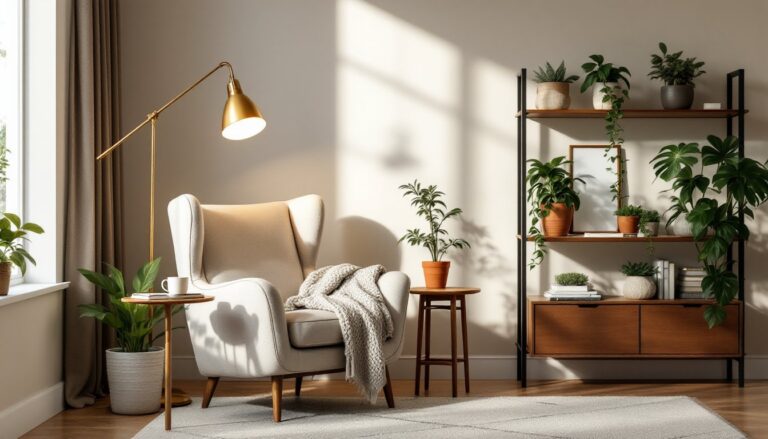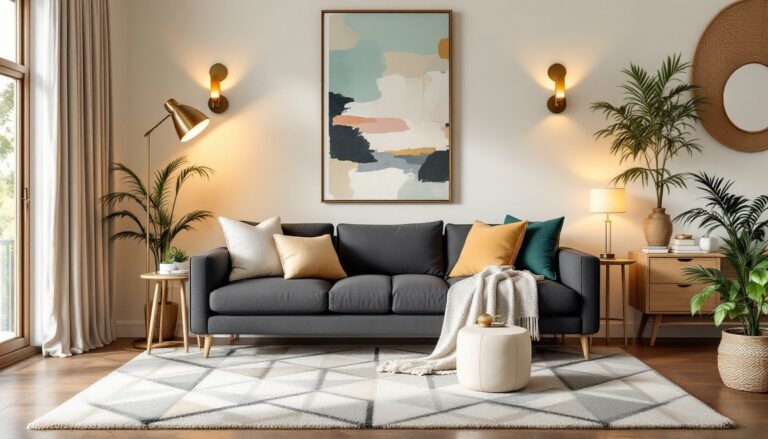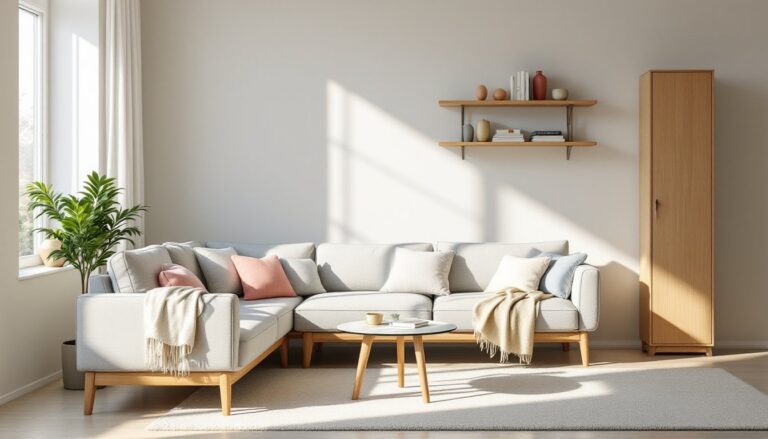

Blue and white living room ideas remain one of the most versatile and timeless design approaches for homeowners looking to refresh their space. This color pairing works across traditional, coastal, farmhouse, and modern aesthetics, making it an excellent choice whether you’re starting from scratch or updating an existing room. The beauty of blue and white lies in its flexibility, it can feel crisp and contemporary, warm and inviting, or elegantly sophisticated depending on how you apply it. If you’re ready to transform your living room with this classic combination, understanding the core principles, color variations, and practical application methods will help you execute a design that feels intentional and cohesive rather than accidental.
Table of Contents
ToggleKey Takeaways
- Blue and white living room ideas work across multiple design styles—traditional, coastal, farmhouse, and modern—making this color pairing versatile and timeless for any aesthetic preference.
- Navy and cream combinations create sophisticated visual depth when applied to accent walls, while soft blue paired with warm white delivers an airier feel suitable for all four walls.
- Neutral furniture in gray, beige, or natural wood anchors a blue-and-white palette without competing, while layering throw pillows in varying blue shades adds intentional depth to seating areas.
- Area rugs with subtle blue-and-white patterns and natural light from sheer white curtains are essential for balancing color contrast and preventing the room from feeling heavy or cramped.
- Accessories like ceramic vases, wooden frames, and woven baskets should echo the blue-and-white foundation through restraint, ensuring each piece earns its place rather than introducing competing colors.
Why Blue And White Works For Modern Living Rooms
Blue and white is fundamentally a grounding color combination. Blue conveys calm, stability, and approachability, traits you want in a room where your family actually spends time. White amplifies natural light, keeps spaces from feeling cramped, and provides visual rest between bolder accents. Together, they create what designers call “negative space,” which prevents visual fatigue even in heavily decorated rooms.
The practicality angle matters too. Blue hides dust and minor wear better than lighter neutrals, and white reflects light, making even smaller living rooms feel open. This pairing also accepts both warm and cool undertones gracefully. A blue-and-white room with warm wood furniture and brass accents feels entirely different from one with stainless steel fixtures and cool-toned accessories, yet both work because the base colors are neutral enough to accommodate either direction.
From a resale perspective, blue and white appeals broadly without reading as dated. Unlike trending colors that shift season to season, this combination has remained consistently popular for decades. Homeowners know they can commit to blue-and-white walls or upholstery without worrying the choice will feel outdated in three years.
Color Palettes And Wall Treatment Options
Your color palette within the blue-and-white framework sets the entire mood. The key is deciding whether you want high contrast, subtle variation, or a blend of both. Wall preparation and primer are critical here, all walls should be clean, spackled, and primed with a quality primer before applying finish paint, regardless of which palette you choose.
Navy And Cream Combinations
Navy blue paired with cream is the more dramatic, sophisticated route. Navy absorbs light, so it works best on accent walls or in rooms with strong natural light from windows. Consider painting one wall, ideally the wall opposite your main seating area, in a deep navy like Benjamin Moore Hale Navy or Sherwin-Williams Naval. The remaining walls stay cream or off-white, typically in a warm white like Benjamin Moore Cloud White or Sherwin-Williams Alabaster. This creates visual depth without overwhelming the space.
If you’re hesitant about navy as a full wall treatment, horizontal stripes offer a middle path. Paint the room cream, then apply 18-inch navy stripes using low-tack painter’s tape. This requires patience during taping and cleanup but delivers a finished, designed look that feels intentional. Decorating with blue and white provides specific inspiration for this approach.
Soft Blue And Warm White Schemes
For a lighter, airier feel, pair soft or mid-tone blues (think sky blue, dusty blue, or periwinkle) with warm whites. Benjamin Moore Palladian Blue or Sherwin-Williams Sea Salt are excellent soft options. Warm whites like Benjamin Moore Swiss Coffee or Sherwin-Williams Accessible Beige prevent the room from feeling cold or sterile.
This palette works well when applied to all four walls because the blue remains gentle and the white keeps everything open. The room feels cohesive without reading as dark or cramped. You can add texture through wallpaper instead of paint, a subtle blue-and-white stripe, gingham, or damask pattern maintains the palette while introducing visual interest without structural changes.
Furniture And Layout Ideas For Blue And White Rooms
Your furniture selection either anchors or counterpoints the blue-and-white palette. Neutral furniture (gray, beige, natural wood) acts as an anchor, letting the walls do the talking. If you go navy-and-cream walls, a mid-gray sectional or cream linen sofa keeps the focus on your color scheme without competing for attention.
White or cream furniture can work if balanced carefully, too much white reads as stark. A white sofa pairs beautifully with a natural wood coffee table, navy throw pillows, and a jute rug. The wood adds warmth and prevents the white from feeling clinical. Alternatively, blue upholstered pieces (a blue sofa or armchair) work wonderfully in cream-and-white rooms, flipping the visual weight and creating intentional focal points.
Layout-wise, interior design ideas from trusted sources suggest floating furniture away from walls in blue-and-white rooms to emphasize openness. A sofa angled slightly toward a coffee table, with an accent chair perpendicular, creates an inviting conversation zone without making the room feel divided. If your living room serves multiple purposes (TV watching, reading, entertaining), define zones with an area rug, a white or cream rug with a blue geometric pattern anchors seating while staying true to your palette.
Wall-mounted shelving in white or natural wood keeps visual weight light, especially important if you’ve chosen a darker blue on your walls. Lighter pieces prevent the room from feeling heavy even though the bold color.
Accessories And Textiles To Complete Your Design
Textiles are where a blue-and-white room comes alive. Throw pillows in varying shades of blue, from navy to sky blue to dusty blue, layered on a cream sofa create depth. Mix solid pillows with patterned ones (stripes, geometric, floral) to avoid monotony. Aim for odd numbers: three or five pillows rather than pairs, which reads more naturally than perfectly symmetrical styling.
A high-quality area rug grounds the furniture arrangement. Look for rugs with subtle blue-and-white patterns, a traditional Persian-inspired rug, a modern geometric design, or even a simple striped pattern. The rug’s color should bridge your wall color and furniture choice: if walls are navy, a rug that’s 60% white and 40% navy keeps balance.
Window treatments deserve equal attention. Curtains in crisp white linen or a subtle blue-and-white pattern soften hard architectural lines while maintaining the palette. Avoid heavy fabrics that block light: blue-and-white rooms benefit from natural light to showcase their vibrancy. Sheer white panels with opaque white or light blue roller shades allow flexibility.
Accessory choices should feel intentional. Brass or wood-tone artwork frames, ceramic vases in blue tones, and home design inspiration from established sources keep accents cohesive. A blue ceramic table lamp, white throw blankets, and woven baskets in natural materials add texture without straying from your palette. The key is restraint, each accessory should earn its place by echoing or complementing your blue-and-white foundation rather than introducing competing colors.
Conclusion
Blue and white delivers both aesthetic sophistication and practical functionality. Whether you lean toward bold navy-and-cream contrast or soft, subtle blues, the pairing creates a living room that feels intentional, calming, and timeless. Success depends on respecting the proportions (deciding how much blue versus white), choosing furniture that anchors rather than competes, and layering textiles thoughtfully. Start with your walls, build around them with furniture and flooring, then fine-tune with accessories. This methodical approach prevents costly mistakes and ensures every piece works together rather than feeling randomly assembled.