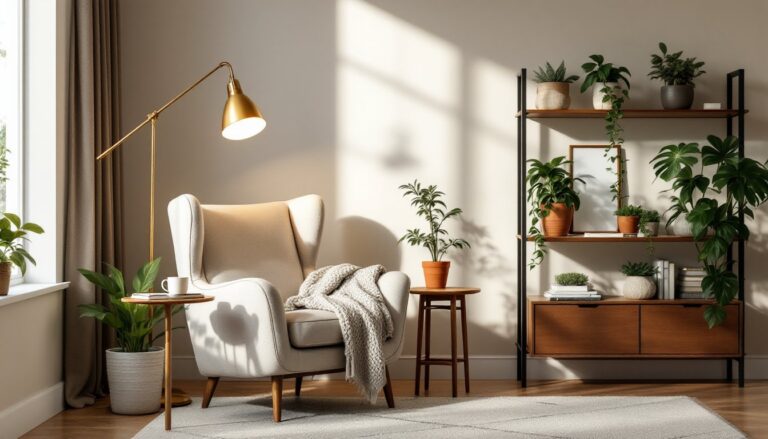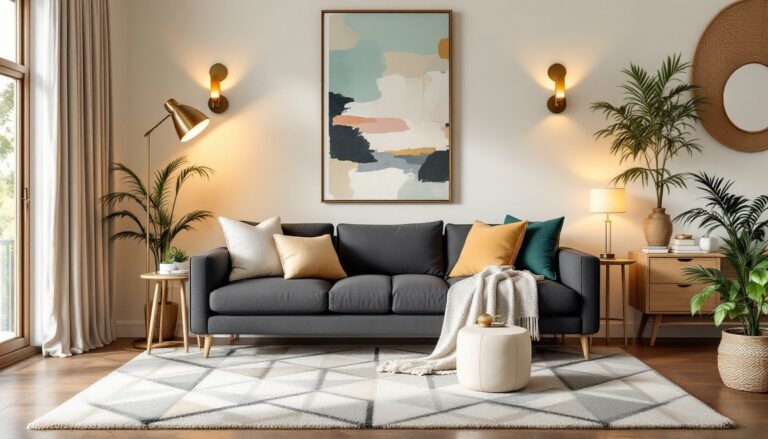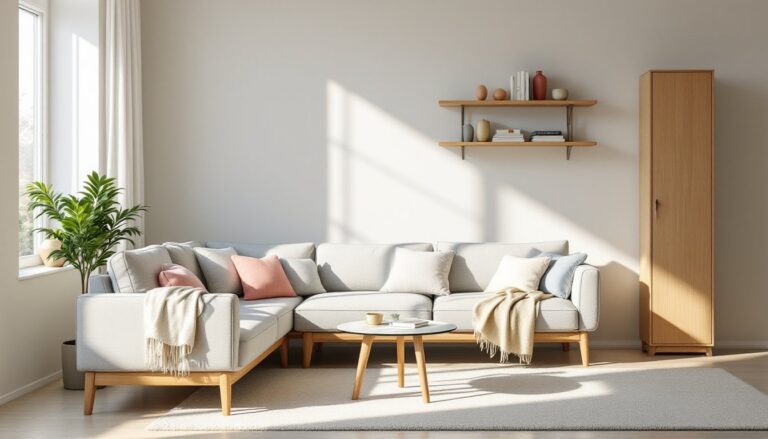

Black walls aren’t just for art galleries and nightclubs anymore. More homeowners are embracing bold black wall decor in their living rooms, and for good reason. A well-executed black wall creates drama, sophistication, and a surprising sense of coziness when done right. Whether you’re painting a single accent wall or going fully dark, black wall decor works across modern, industrial, mid-century, and eclectic design styles. The key is balancing that boldness with the right lighting, furnishings, and decorative accents so your living room feels inviting rather than like a cave. This guide walks you through the why, what, and how of black wall decor for your home.
Table of Contents
ToggleKey Takeaways
- Black wall decor creates a sophisticated, timeless backdrop that works across modern, industrial, and eclectic design styles without feeling dated.
- Proper lighting is essential—use warm-toned bulbs (2700K), layered fixtures, and strategic mirrors to prevent black walls from feeling claustrophobic.
- Start with a single black accent wall paired with light-colored furniture, warm wood tones, and metallic accents to create visual contrast and prevent the room from feeling monotone.
- Thorough prep work including wall cleaning, priming, and proper painter’s tape application is crucial because black paint shows every imperfection and dust particle.
- Break up dark expanses with artwork, floating shelves, textiles, and decorative accessories to add personality and maintain visual interest in your living room.
- Black walls recede visually, making modest-sized living rooms feel spacious and intentional when combined with thoughtful furnishings and bright lighting.
Why Black Walls Make A Powerful Design Statement
Black walls serve as a visual anchor in any room. They absorb light and create depth, making a space feel more intimate and intentional, not cold or gloomy when paired thoughtfully with other elements. Black is also a neutral backdrop that lets furniture, artwork, and accessories shine. A black wall recedes visually, which means a modest-sized living room doesn’t actually feel smaller if you light and furnish it correctly.
Psychologically, black conveys elegance, power, and confidence. It’s a neutral that works alongside virtually any color palette: warm woods, brass accents, jewel tones, whites, or pastels. Unlike bright accent colors that can feel trendy in a few years, black is a timeless choice that adapts as your decor evolves. The 2026 design trend reports show dark and moody interiors gaining traction, with black walls appearing frequently in contemporary home tours on design platforms.
Best Black Wall Decor Ideas For Modern Living Rooms
Matte Black Finishes And Textured Walls
Matte black paint is the go-to for residential walls because it hides imperfections, reduces glare, and feels more refined than glossy finishes. When selecting black paint, check the undertone, some lean warm (almost charcoal), while others skew cooler (bluish or greenish tints). Test paint samples on your walls at different times of day to see how lighting shifts the appearance.
Textured black walls add visual interest without screaming for attention. Consider textured finishes like suede, linen, or micro-velvet paint finishes, which diffuse light subtly and add tactile depth. Shiplap, paneling, or wallcovering in black also work beautifully. If you want to DIY textured walls, you can apply joint compound (drywall mud) in patterns, though this requires patience and practice. Alternatively, textured wallpaper applied over clean, primed drywall offers a simpler path to that sophisticated look.
Black Accent Walls With Contrasting Furnishings
Not ready to commit all four walls to black? A single accent wall is the safest starting point. Choose the wall that naturally draws your eye when you enter, often the wall behind your sofa or the one opposite the entrance. Paint that wall black and keep the remaining three walls a lighter neutral like white, cream, or soft gray.
Contrasting furnishings make black walls work harder. Light-colored sofas, chairs, and area rugs pop against dark walls and prevent the room from feeling monotone. Warm wood tones, oak, walnut, or brass hardware, create visual warmth that balances cool black. Domino features modern home decor trends that show black accent walls paired with pale linen furniture and natural wood floors to great effect. Artwork with white mats or frames also creates visual rhythm on a black wall. Layer in metallic accents (gold, brass, silver) through light fixtures, mirrors, and decorative objects to add sparkle without overwhelming the space.
Balancing Dark Walls With Lighting And Accessories
Lighting is non-negotiable with black walls. Insufficient light will make your living room feel dark and claustrophobic: the right lighting transforms black walls into a sophisticated backdrop. Layer your lighting with a mix of ambient (overhead or wall-mounted fixtures), task lighting (reading lamps or desk lights), and accent lighting (uplights, picture lights, or strips behind shelving).
Aim for warm-toned bulbs (2700K color temperature) rather than cool white, which can amplify the heaviness of dark walls. Sconces flanking artwork or mirrors bounce light around the room. A well-placed floor lamp or two ensures your living room stays functional and inviting even in the evenings.
Accessories break up dark expanses and add personality. Large mirrors with metallic frames reflect light and make the room feel airier. Art, floating shelves with books and decorative objects, and wall-mounted plants add visual interest without clutter. House Beautiful’s interior design trends often showcase gallery walls and mixed-media displays on dark walls, which create focal points and prevent visual monotony. Textiles matter too, throw pillows, area rugs, and curtains in contrasting colors and patterns keep the room from feeling heavy. Consider a lighter wall color for adjacent rooms to create visual breathing room and prevent your entire home from feeling cave-like.
DIY Black Wall Installation And Painting Tips
Prep work determines success. Remove outlet covers and switch plates, and tape them to the back of the corresponding outlet with painter’s tape so you don’t lose them. Use painter’s tape along the ceiling, baseboards, and corners. Caulk any gaps between the wall and trim with paintable caulk, this ensures a clean line without paint bleeding underneath.
Clean walls thoroughly with a deglosser or trisodium phosphate (TSP) solution to remove dust, grime, and any sheen from existing paint. Black paint is unforgiving and shows every fingerprint and dust particle if prep is poor. Fill holes or damage with spackling compound and sand smooth once dry.
Apply a primer first, especially if painting over a lighter color or glossy surface. Black paint typically requires two coats, but primer helps ensure true color coverage and reduces the total number of paint passes needed. Use a high-quality paint roller (3/8-inch nap) and a brush for edges. Paint the edges first with a brush, then roll the center in overlapping “W” patterns to avoid streaking.
Allow adequate drying time between coats, usually 4 hours for interior latex, but check your paint’s label. Poor drying time is a common mistake that leads to uneven color or peeling later. If you’re painting multiple walls, work on one wall completely before moving to the next. Black paint is prone to showing lap marks if you overlap wet and dry sections, so keeping a wet edge is crucial.
Material checklist:
• Black interior matte paint (2 gallons for a 12×14 room with two coats)
• Primer (white or gray-tinted, 1–2 gallons)
• Painter’s tape (2-inch width)
• Drop cloth or plastic sheeting
• Paint roller and 3/8-inch nap sleeve
• Angled brush (2–3 inches) for cutting in
• Paint tray
• Spackling compound and putty knife
• Sandpaper (120 and 220 grit)
• Deglosser or TSP cleaner
Safety reminder: Ensure good ventilation, open windows and use a fan to push fumes out. Wear a dust mask when sanding and goggles to protect your eyes from splatter. Black paint can drip unexpectedly, so protect your floors and furniture.
If textured walls appeal to you, Homedit’s interior design ideas showcase textured finishes paired with modern furnishings. Textured wallpaper is easier for beginners than hand-applied joint compound, but either path requires dry-time patience. Allow wallpaper adhesive to cure fully (24–48 hours) before exposing walls to humidity or touching seams.
Conclusion
Black walls bring undeniable sophistication to a living room when planned thoughtfully. Start with a single accent wall if you’re hesitant, invest in proper prep and paint quality, and layer in contrasting furnishings and bright lighting to make the space feel intentional and inviting. Your living room will look polished and bold, and you’ll know exactly how to maintain that look going forward.