There’s something undeniably appealing about coastal decor living rooms. Whether you live blocks from the ocean or landlocked in the heartland, bringing seaside aesthetics into your home creates a relaxing retreat that feels like a perpetual vacation. Coastal design doesn’t mean slapping nautical knickknacks everywhere, it’s about layering calming colors, natural textures, and functional furniture to build a space that breathes. A well-executed coastal living room balances light and airy vibes with genuine comfort, making it as livable as it is beautiful. This guide walks through the practical steps to transform your living room into the coastal haven you’ve been craving.
Table of Contents
ToggleKey Takeaways
- Start your coastal decor living room with a grounded neutral palette of soft whites, warm grays, and beiges, then layer in soft blues and muted greens to evoke the beach without overwhelming the space.
- Natural materials like reclaimed wood, linen, jute, and rope are essential to coastal design and create the tactile, inviting textures that define a seaside aesthetic.
- Choose comfortable, light-colored upholstered seating and mix vintage finds with new furniture to achieve a relaxed, lived-in look that avoids a sterile showroom feel.
- Use restraint with coastal accessories—select statement artwork and a few carefully curated pieces over clutter, and rotate smaller accents seasonally to keep the room fresh.
- Maximize natural light through large windows and soft sheer curtains, then layer warm-toned artificial lighting with lantern fixtures, driftwood lamps, and candles to maintain the breezy, inviting atmosphere central to coastal living room design.
- Incorporate greenery, functional storage, and cohesive scents to complete your coastal space with balance between beauty and livability.
Choose A Coastal Color Palette That Brings The Beach Home
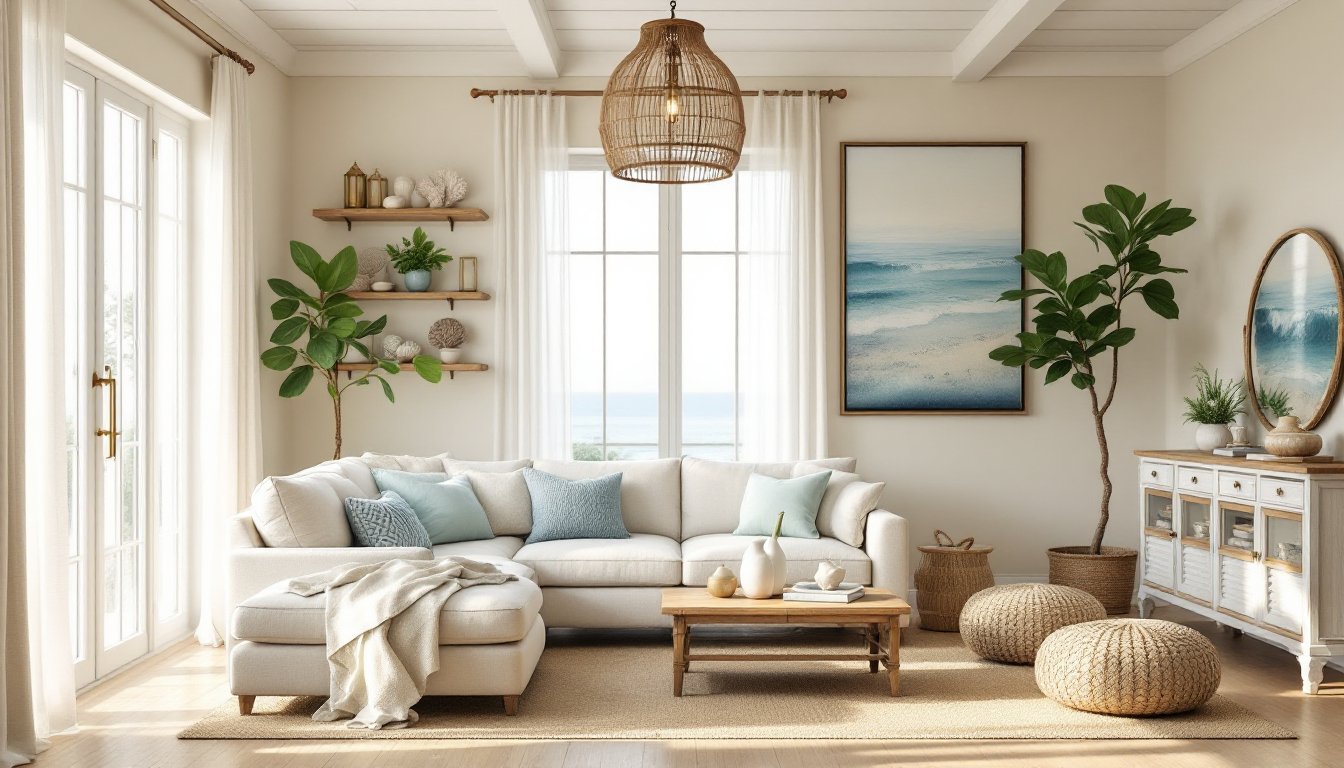
The foundation of any coastal decor living room starts with color. Forget the idea that coastal means white walls everywhere, authentic beach-inspired homes use a grounded palette inspired by sand, sea, and sky.
Start with a neutral base. Think warm whites, soft grays, creamy beiges, and weathered taupe. These neutrals replicate sand and driftwood without feeling sterile. Paint your walls in a soft greige or warm white, not stark white, which can feel cold in living spaces. Many homeowners choose brands with names like “Sand Dollar” or “Sea Glass,” but verify the undertone suits your lighting before committing. Natural light changes how these colors read throughout the day.
Layer in secondary colors through larger pieces. Soft blues (seafoam, pale periwinkle, dusty slate) evoke water without overwhelming. Muted greens and soft sage reference coastal vegetation. Warm terracotta or dusty coral add subtle warmth, the sunset reflection angle of coastal aesthetics.
Avoid bright primary colors and glossy finishes. Coastal homes feel lived-in and sun-faded, not brand-new. Consider a matte finish over satin when painting: it reads more naturally and hides imperfections common in DIY painting. Don’t shy away from testing paint swatches on your walls and observing them at different times of day, it’s the single best way to avoid repainting mistakes.
Incorporate Natural Materials And Textures
Coastal living rooms thrive on tactile, organic materials. Wood, rope, jute, linen, and woven fibers create layers that feel beachy and inviting.
Wood is non-negotiable. Reclaimed or distressed wood, pale driftwood finishes, and natural pine all work. Consider wood flooring in light oak or whitewashed finishes, or layer sisal and jute rugs over existing flooring for a softer underfoot feel. Exposed ceiling beams (or faux beams if you’re renting) add vertical interest and warmth. Reclaimed wood shelving and driftwood-inspired side tables ground the space authentically.
Textiles drive comfort in coastal spaces. Linen curtains in natural or soft white allow light to filter while maintaining a breezy atmosphere. Linen and cotton throw pillows with subtle texture, raw weave, cable knit, or simple damask patterns, layer visual interest without clashing. Jute poufs and rope-handled baskets introduce woven elements that reference beach crafts.
Incorporate natural fibers throughout. Woven wall hangings, macramé accents (used sparingly), and sea grass or rattan side tables connect to the tactile beach environment. A guide to budget home makeovers will show how strategically placed natural elements don’t require a large investment. Trade painted furniture for raw wood pieces, and swap synthetic rugs for natural fiber alternatives. The texture itself becomes the decorative detail.
Select Furniture That Reflects Coastal Living
Coastal furniture prioritizes comfort and function over trends. The best pieces work in a relaxed, lived-in aesthetic rather than appearing styled for a magazine shoot.
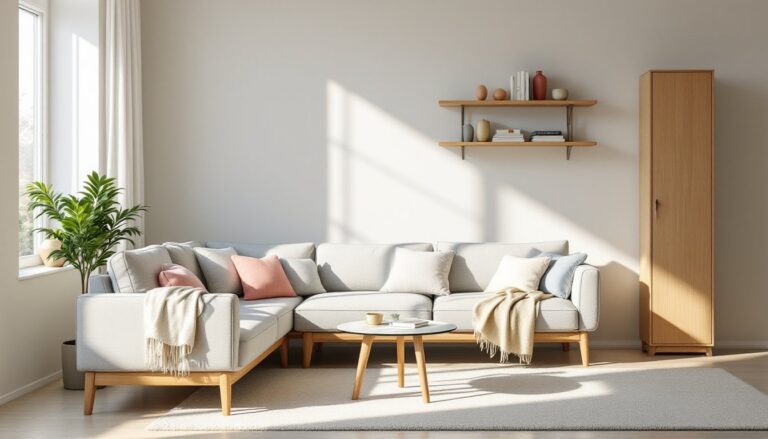
Choose upholstered seating in light, durable fabrics. Sectionals or oversized sofas in cream, natural linen, or soft gray anchor the room and invite lounging. Avoid dark, heavy leather: opt instead for fabrics with subtle texture like performance linen blends that resist staining and fading. Slipcovers offer versatility, you can wash or replace them seasonally, and they read inherently casual.
Look for furniture with turned legs, spindle details, or slightly weathered finishes rather than low, modern silhouettes. A coastal living room benefits from pieces that suggest history and ease. Mix vintage finds (genuine or reproduced) with new furniture to avoid a showroom feel. Rattan, wicker, or cane-backed chairs break up upholstered seating and echo coastal craftsmanship. A simple wooden coffee table in light finishes or a metal-frame side table with weathered wood feels authentic.
Skip overstuffed or ornate pieces. Furniture in coastal spaces should feel proportional and accessible. Open shelving instead of closed cabinets, slatted designs, and legs that expose floor space make rooms feel larger and airier. Don’t cram every inch, negative space is as important as filled space in coastal design.
Add Nautical Accents And Coastal Accessories
Accessories make or break coastal decor. The key is restraint, a few thoughtful pieces beat a room cluttered with every beach trinket ever made.
Start with artwork. Large-scale botanical prints, seascapes, or abstract pieces in blues and greens work better than galleries of tiny nautical knickknacks. Driftwood frames, light wood or whitewashed frames, and canvas prints on stretched wood read coastal without screaming “beach house.” One or two statement pieces carry more weight than ten small items. Hang artwork at eye level and allow breathing room around it.
Incorporate decor anchors thoughtfully. A bowl of natural shells, a few pieces of driftwood, or coral-inspired sculptures (sustainable options, not wild-harvested) add seaside flavor. A brass or rope-handled mirror reflects light and adds functional interest. Weathered metal accents, hooks, lanterns, or a simple metal shelf, introduce the industrial edge that grounds coastal design.
Take a curated approach to textiles beyond upholstery. A coastal throw blanket in cream or soft blue draped over seating, one or two patterned pillows in subtle coastal prints, and a soft rug in natural fiber complete the layered look. Avoid matching sets or overly coordinated looks, coastal homes evolve over time.
Consider seasonal swaps. Beach-inspired interior design tips suggest rotating smaller accessories and throw pillows with the seasons, keeping the room feeling fresh without major overhauls. This also prevents the “stuck-in-time” feeling that can plague coastal spaces.
Lighting Solutions For A Breezy, Open Feel
Lighting in coastal spaces should feel natural, soft, and inviting. Hard, bright overhead fixtures undermine the relaxed aesthetic.
Maximize natural light. Large windows, glass doors, or skylights allow sunlight to flood the room, the true heart of coastal design. If privacy is a concern, install sheer curtains or linen panels that filter light without blocking it. Avoid heavy drapes or blackout shades that close off the space.
For artificial lighting, choose warm-toned bulbs (2700K color temperature) rather than cool white. Lantern-style fixtures, rope-wrapped pendants, or simple metal sconces with linen shades feel coastal. A driftwood floor lamp with a linen shade adds both function and character. Layer lighting by combining ambient overhead light (dimmed), task lighting for reading, and accent lighting from table lamps or wall sconces.
Skip the single, bright ceiling fixture. Instead, use a combination of softer sources at different levels. A statement light fixture, perhaps woven, metal-trimmed, or rope-detailed, can anchor the room, but ensure it’s not the only light source. Candles in clear glass, hurricane holders, or votives add warmth and reinforce the breezy, inviting feeling without requiring electricity.
Bring Coastal Decor Together With Final Touches
Once the bones of your coastal living room are in place, final touches unify the space and prevent it from feeling disjointed.
Focus on flow and proportion. Arrange furniture to encourage conversation and movement. Ensure pathways are clear and nothing blocks sightlines to windows or focal points. Too much furniture makes even a large room feel cramped: too little makes it feel sparse. Strike a balance by grouping pieces in conversation clusters and leaving open floor space.
Incorporate greenery thoughtfully. A large potted plant (ficus, snake plant, or tropical varieties) adds life and softness to corners. Small potted succulents or air plants on shelves introduce texture without demanding maintenance. Plants echo the natural, organic feel central to coastal design. Choose simple pots in terracotta, ceramic, or woven baskets rather than decorative novelty pots.
Add a cohesive scent element. Candles or diffusers in ocean, salt, driftwood, or coastal florals (not artificial “beachy” scents) enhance the sensory experience. Quality matters, cheap fragrance reads as fake and undermines the natural aesthetic.
Homewares and modern home decor trends show that successful coastal spaces balance beauty with livability. Functional storage (baskets for throws, minimal shelving for books) keeps clutter at bay while maintaining the open, airy feeling. A small side table holds remotes, drinks, and reading materials without creating visual chaos. The goal is a room that looks curated but feels comfortable, where people actually want to sit and relax, not one that’s too precious to use.
Conclusion
Creating a coastal decor living room doesn’t require beachfront property or unlimited budget. By grounding your design in soft, natural colors, incorporating organic textures and materials, and selecting furniture that prioritizes comfort, you’ll build a space that genuinely feels like a seaside escape. Focus on what makes you happy, whether that’s light wood, soft blues, or simply the feeling of openness, and layer thoughtfully rather than decorating by checklist. The best coastal living rooms feel lived-in, welcoming, and honest, inviting both family and guests to relax and unwind.