The traditional living room sofa has dominated home design for decades, but it doesn’t have to. A growing number of homeowners are ditching the couch altogether, discovering that couchless living rooms offer flexibility, visual breathing room, and often more functional seating options. Whether you’re working with a small apartment, a sprawling open-concept space, or simply want to break free from convention, going couchless opens up creative possibilities. The trend reflects a shift toward customizable layouts that adapt to how people actually live, hosting gatherings one week and enjoying solo quiet time the next. This guide walks through practical couchless living room ideas that work for real homes, not just magazine spreads.
Table of Contents
ToggleKey Takeaways
- Couchless living room ideas maximize flexibility and visual space by replacing a single large sofa with modular seating, floor cushions, and accent chairs that adapt to your weekly needs.
- Remove the sofa anchor to unlock budget savings—invest $300–$400 in quality floor cushions and accent chairs instead of a $1,500 couch, with the ability to upgrade pieces individually.
- Japanese-inspired floor seating with tatami mats and firm cushions creates a grounded, intentional look that works especially well in small apartments and open-concept spaces.
- Modular cushions, poufs, and ottomans offer triple-duty functionality as seating, footrests, or side tables while stacking away instantly when you need an open floor plan.
- Without a focal point sofa, intentional design elements like layered lighting, gallery walls, statement bookshelves, rugs, and mirrors become essential to create visual interest and define the living zone.
- Accent chairs and lounge pieces provide focused, comfortable seating while consuming 30% less space than traditional sectionals and allow you to mix styles for a collected, curated aesthetic.
Why Go Couchless? Benefits of Rethinking Your Living Room Layout
A sofa locks in your room’s function and footprint. Remove it, and suddenly you’re working with a clean slate. Couchless rooms feel larger, even modest apartments gain visual spaciousness when a 7-foot bulky sectional isn’t eating half the floor. That matters for both comfort and resale appeal.
Flexibility is the real win. Living rooms serve double duty: entertaining guests, working from home, exercising, playing with kids. A sofa commits you to one arrangement. Modular seating, floor cushions, and accent chairs let you reconfigure the room weekly without moving a 200-pound beast. You can tighten the seating circle for a dinner party, spread things out for yoga, or clear the center entirely for a kids’ playdate.
Budget-wise, you’re not locked into replacing one $1,500 couch with another. Instead, you might invest $300 in quality floor cushions and $400 in two accent chairs, giving you more control over your spend and the ability to upgrade pieces individually.
There’s also the practicality angle. Couches collect dust, attract pet hair, and require professional cleaning. Modular pieces and seating you can move make maintenance simpler. For renters, going couchless sidesteps lease concerns about large furniture and moving logistics.
Floor Seating and Cushion Arrangements for Comfort and Flexibility
Japanese-Inspired Floor Seating
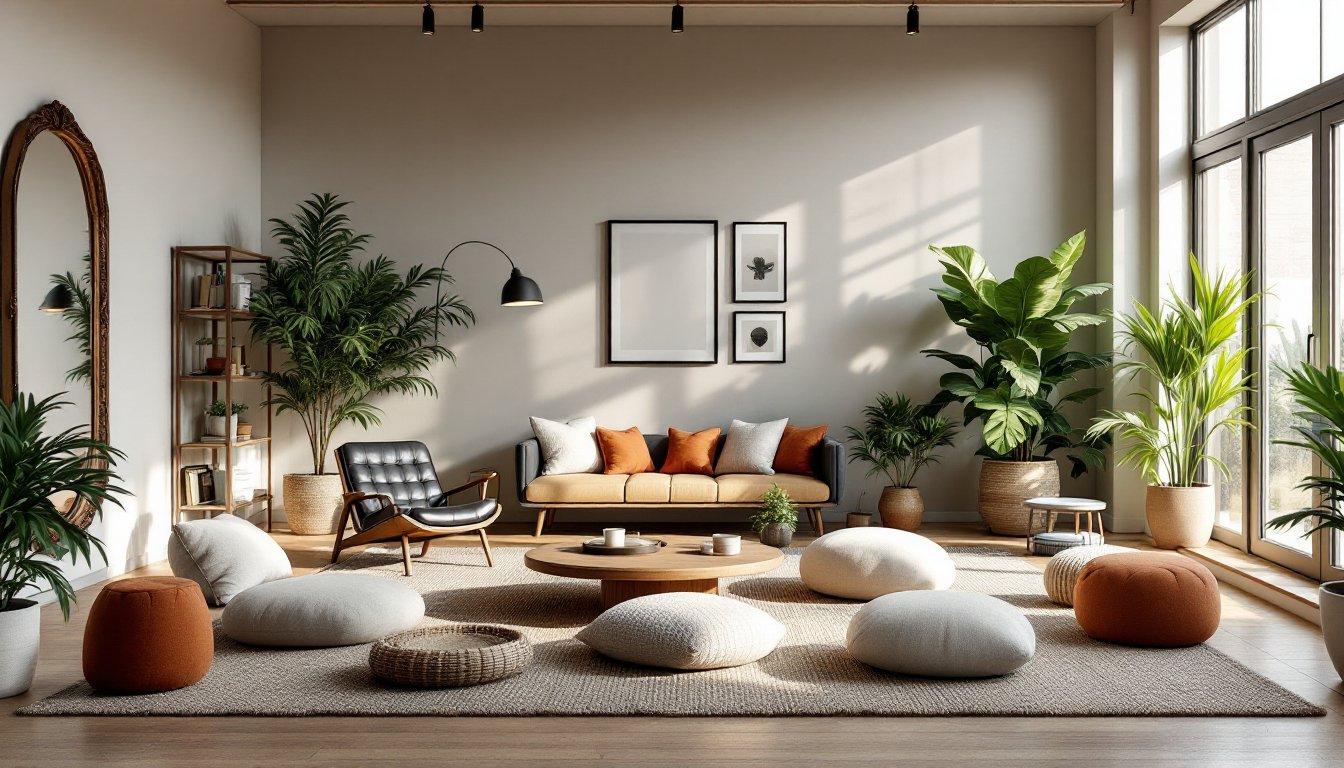
Floor seating isn’t just a decorative trend, it’s functional and deeply comfortable when done right. Japanese-style seating uses a tatami-inspired setup: a base layer of woven mats (tatami or jute), topped with firm cushions called zafu (meditation cushions) or larger floor pillows. The result is a low, grounded seating area that actually suits modern living better than expected.
To set one up, start with a quality area rug (8×10 or 9×12 depending on room size) as your anchor. Layer a tatami mat or jute runner on top for texture and slight elevation. Add firm cushions, avoid squishy pillows that collapse within weeks. Japanese seating also works brilliantly alongside a small low wooden table (12–18 inches high) for meals, board games, or drinks. The height difference makes it feel intentional, not like you’re camping on the floor.
This approach works particularly well in smaller rooms or open-concept spaces where it defines a distinct “living” zone without visual clutter. The low profile doesn’t block sightlines, and you can easily clear the area if needed.
Modular Cushion and Pouf Setups
Modular cushions give you the flexibility without committing to a fixed footprint. Companies now produce modular floor cushions that stack, connect, or sit independently, think of them as building blocks. You can arrange them into a U-shape, a straight row, or scatter them for casual hangouts. When you need the space, stack them in a corner.
Pair cushions with poufs and ottomans in complementary fabrics and heights. A pouf serves triple duty: extra seating, a footrest, or a small side table for a lamp or drink. Mixing heights, some cushions lower, some ottomans higher, creates visual interest and accommodates different comfort preferences. Select durable outdoor-grade fabrics if you expect heavy use: they resist staining and wear better than standard upholstery.
The key to making this feel intentional (not like a dorm room) is consistency in color and material. Stick to 2–3 coordinating colors, and vary texture rather than pattern. A charcoal cushion, a cream pouf, and a rust-toned pillow in linen, canvas, and woven wool feel curated. Scattered geometric pillows in six different prints feel chaotic.
Accent Chairs, Ottomans, and Lounge Pieces as Alternatives
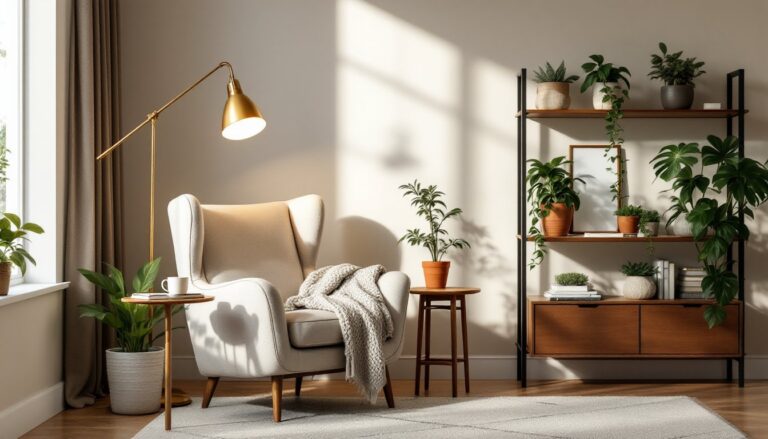
Accent chairs are the workhorses of couchless living rooms. A wingback chair, a barrel chair, or a sleek modern lounge chair provides focused, supportive seating without consuming space like a sectional. The psychological trick: people sit differently in a single chair. It invites deeper conversation, focused reading, or solo relaxation instead of sprawling like a sofa encourages.
Pair two to four chairs around a coffee table or side tables to create a conversation zone. The negative space between individual pieces reads as more intentional than a lineup of loose cushions. Chairs also let you mix styles, a leather wingback next to a linen accent chair next to a mid-century modern lounger. That variety feels collected and deliberate.
Don’t overlook recliners and lounge chairs. Modern versions are far sleeker than the La-Z-Boy stereotype. A quality leather recliner or a linen push-back lounge offers comfort comparable to a sofa while taking up 30% of the footprint. These work brilliantly as a secondary seating piece, the main chair where someone settles in for an evening.
Ottomans pull their weight as standalone pieces too. A large ottoman with a removable lid doubles as storage and extra seating. Several smaller ottomans scattered throughout create a flexible arrangement that adapts to crowd size. Look for ottomans with legs (not skirted bases) to maintain visual lightness and make cleaning underneath easier.
When selecting pieces, prioritize comfort height and depth. A chair with a 19–22 inch seat height and 24–26 inch depth works for most adults without requiring a struggle to stand. Test before buying, online reviews mentioning “deep” or “tall” are clues about real comfort, not just aesthetics. Resources like Homedit and Apartment Therapy regularly review specific pieces with honest feedback on comfort and durability.
Multifunctional Furniture That Serves Multiple Purposes
In a couchless room, every piece needs to earn its space. Storage benches deliver seating plus hidden storage for blankets, board games, or seasonal decor. A window bench (if you have the wall space) provides comfortable perching, storage underneath, and a cozy reading nook. Nesting tables give you flexible surfaces that consolidate when needed. A storage ottoman holds remotes, throw pillows, or household items while serving as footrest or extra seat.
Consider murphy beds or wall beds if the living room doubles as a guest bedroom. Modern designs are far less clunky than decades past, and a bed that folds into a cabinet or shelving wall becomes nearly invisible when not in use. This requires more planning, reinforced walls, proper installation, but transforms a studio or one-bedroom into a dual-purpose space without sacrificing the living area’s primary function.
Bar carts, side tables with shelves, and media consoles with storage provide visual layers and functional surface space. A narrow credenza or sideboard replaces a media console while offering display and storage without the bulk of cabinetry. These pieces break up a room visually while keeping things organized.
The discipline here is avoiding clutter. Multifunctional pieces work only if you actually use the storage. Overflowing items defeat the point. Stick to a rule: one item out, one item in. This keeps the room breathing.
Creating Visual Interest Without a Focal Point Sofa
Without a sofa anchoring the room, you need intentional focal points. A fireplace still works beautifully, arrange seating to face it. A gallery wall or large-scale artwork pulls the eye and defines the room’s personality. A statement bookshelf (floor-to-ceiling if possible) provides visual weight, storage, and a place for curated displays that reflect your interests.
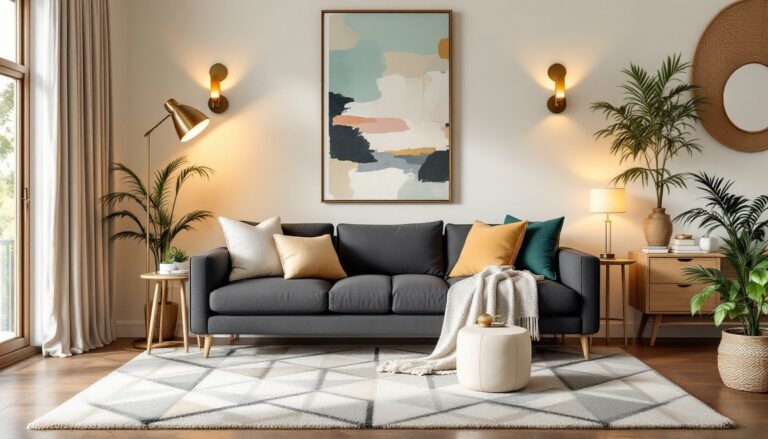
Lighting becomes critical. Without a sofa’s bulk to absorb the room visually, lighting shapes the mood. A floor lamp with an interesting shade, pendant lights hung asymmetrically, or wall sconces flanking a mirror add sophistication and guide the eye through the space. Layered lighting, overhead, task, and accent, makes the room feel designed rather than sparse.
Rugs and textiles ground seating areas and define zones. A rug anchors a conversation cluster, suggesting “this is the living area.” Throw pillows and blankets draped over chairs and cushions add color, warmth, and a lived-in feel without looking haphazard. Stick to a limited palette, three main colors plus neutrals, to avoid visual noise.
Plants and decorative objects fill vertical and horizontal space without furniture bulk. Tall plants create screening and softness. A console table behind a row of chairs displays framed photos, plants, or art books. This approach, common in Domino spreads and modern design guides, works because it treats seating as part of a layered, curated environment rather than the room’s main event.
Mirrors amplify light and space perception, making a couchless room feel even more open. A leaning mirror against a wall or a wall-mounted statement mirror reflects natural light and deepens the room visually without adding physical bulk.